How to Choose the Best Hotel in the UAE: A Professional Guide to Dubai, Abu Dhabi, Sharjah and Resort Accommodation
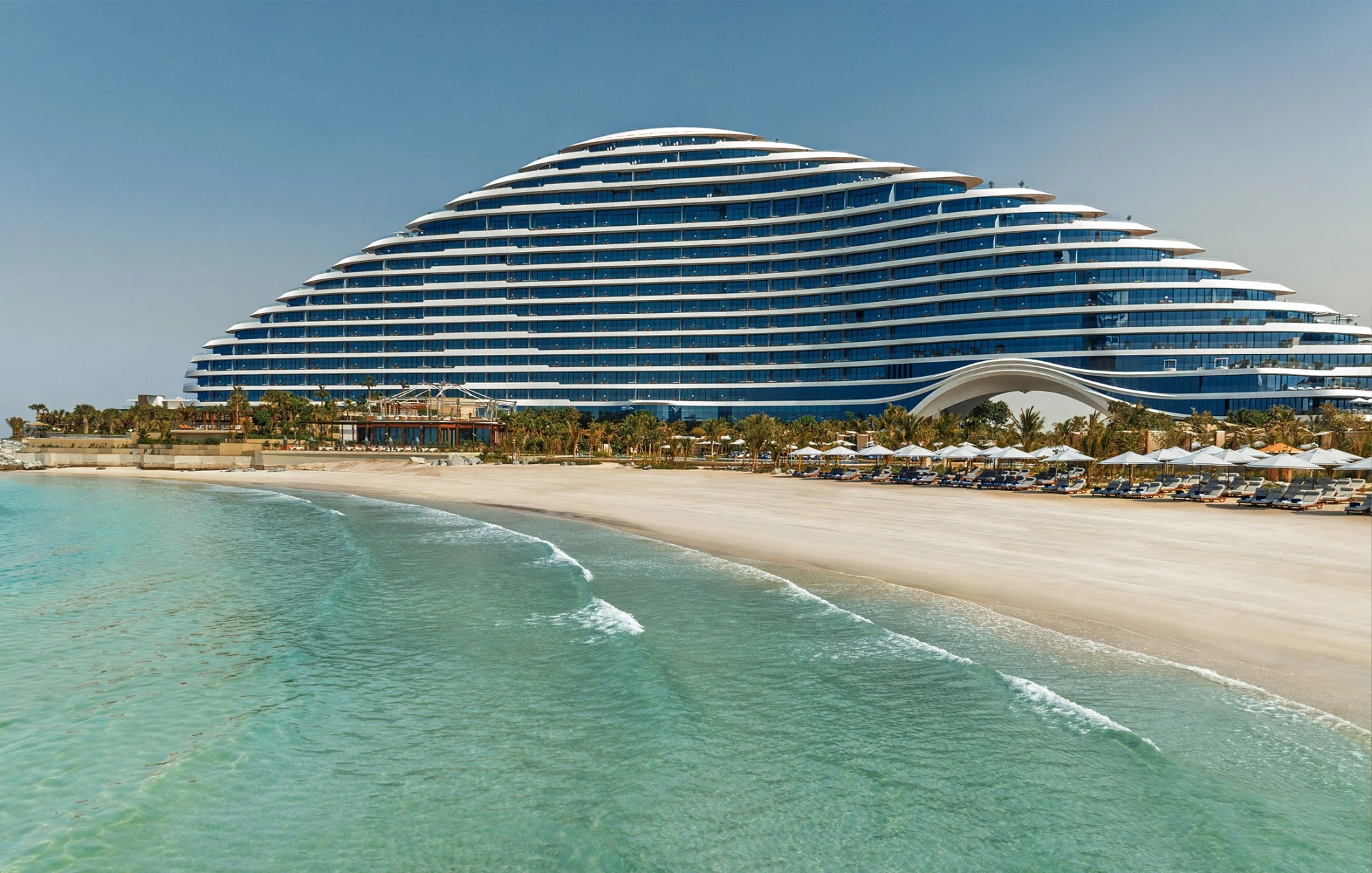
Selecting accommodation in the United Arab Emirates requires more than comparing room prices. A professionally planned hotel stay considers destination, location, room configuration, facilities, transportation, guest experience, surrounding attractions and the purpose of the trip. The UAE offers an exceptionally broad hospitality landscape, making it possible to build a stay around business, leisure, family travel, extended visits, cultural exploration or a resort-focused itinerary.
Understanding the Modern UAE Hotel Experience
The United Arab Emirates has developed into a highly competitive hospitality destination where accommodation can range from compact city properties to expansive resorts, sophisticated business hotels and premium waterfront retreats. For travelers comparing Hotels & Resorts in United Arab Emirates, the large number of available choices is both an advantage and a challenge. More options mean greater flexibility, but they also make it important to use a clear evaluation process.
A professional hotel selection strategy begins by identifying what the accommodation needs to accomplish. A business visitor may require fast access to meetings, a quiet room and a dependable workspace. A family may need additional space, convenient dining and practical transportation. A leisure traveler may place more emphasis on atmosphere, recreation, views and proximity to attractions. A guest staying for an extended period may need storage, functional room design and easy access to everyday services.
The best hotel is therefore not necessarily the property with the most impressive appearance or the highest category. It is the property that offers the strongest combination of features for a particular itinerary. This distinction is important because a beautiful hotel in an inconvenient location can create unnecessary travel, while a well-positioned hotel with practical facilities can deliver a more comfortable experience.
Location First
Choose a hotel based on the places you expect to visit most frequently. A strategic location can reduce transportation time and make the entire itinerary easier.
Comfort Matters
Room size, bedding, lighting, storage, workspace and bathroom design can have a major effect on how comfortable the stay feels.
Facilities Add Value
Useful facilities can improve convenience and reduce the need to travel outside the property for everyday requirements.
Professional Hotel Specifications, Functions and Advantages
A structured comparison is one of the most effective ways to narrow down accommodation choices. Instead of evaluating hotels only by appearance, travelers can compare measurable or practical characteristics. The following table provides a professional framework for understanding the main hotel specifications, their functions and the advantages they can offer.
| Specification | Function | Main Features | Key Advantage |
|---|---|---|---|
| Strategic Location | Connects guests with important destinations | Access to business districts, attractions, shopping areas and major roads | Reduces travel time and improves itinerary efficiency |
| Room Configuration | Provides private accommodation | Bed arrangements, room dimensions, storage and workspace | Improves comfort for individuals, couples and families |
| Connectivity | Supports communication and online activities | Internet access, work areas and charging facilities | Useful for business and modern leisure travelers |
| Dining Facilities | Provides convenient meal options | Restaurants, cafés, breakfast services and in-room options | Saves time and simplifies daily schedules |
| Recreation | Supports relaxation and leisure | Swimming facilities, fitness areas and wellness spaces | Creates a more complete hotel experience |
| Business Services | Supports professional activities | Meeting rooms, conference facilities and workspaces | Helps business travelers remain productive |
| Transportation Access | Connects the hotel with surrounding destinations | Road access, taxi availability and nearby transportation | Makes sightseeing and business movement easier |
| Guest Services | Improves convenience throughout the stay | Reception, housekeeping, assistance and information | Creates a smoother overall experience |
Hotels in Dubai: Building an Efficient City Stay
Dubai offers one of the most diverse hotel markets in the region, with accommodation distributed across business districts, waterfront areas, residential neighborhoods, shopping zones and major tourism corridors. Travelers researching Hotels in Dubai should begin with their itinerary rather than selecting a property based solely on its category.
The geographical structure of Dubai means that location can strongly influence the daily experience. A traveler with meetings in a business district may benefit from staying nearby, while a leisure visitor focused on shopping and attractions may prefer a different area. Guests who intend to spend substantial time at the hotel may prioritize resort-style facilities, while those planning full days outside the property may prefer a central location and a comfortable room.
Dubai accommodation can also be evaluated according to the balance between convenience and atmosphere. Some travelers enjoy staying in active urban environments, while others prefer quieter surroundings. Neither choice is universally better. The professional approach is to match the neighborhood to the travel schedule.
Dubai Hotel Selection Priorities
- Identify the main attractions and districts on your itinerary.
- Estimate the daily travel time between the hotel and those locations.
- Compare room size and configuration with the number of guests.
- Check whether the property offers the facilities you actually plan to use.
- Review transportation options before confirming the booking.
- Consider the atmosphere of the surrounding neighborhood.
Another important consideration is the relationship between hotel facilities and the length of the visit. A traveler staying for one night may not need extensive recreation facilities. A guest staying for a week may value them considerably more. This is why the same hotel can be excellent for one traveler and only average for another.
Hotels in Abu Dhabi: Selecting Accommodation with Purpose
Abu Dhabi provides a distinctive hospitality environment combining business infrastructure, cultural destinations, waterfront areas and carefully planned urban districts. Travelers comparing Hotels in Abu Dhabi should identify the main purpose of the trip before comparing individual properties.
For corporate travel, proximity to business destinations can be a major advantage. A well-positioned hotel may reduce commuting time and provide easier access to meetings. For leisure travel, the priorities can change toward cultural attractions, waterfront experiences, family convenience and recreational facilities.
Abu Dhabi is also suitable for travelers who prefer a balanced itinerary. Guests can combine urban exploration with cultural visits and relaxed hotel time without necessarily changing accommodation. Choosing a central and practical base can therefore make the trip more organized.
Hotels in Sharjah: Evaluating Location, Culture and Convenience
Sharjah provides another important accommodation option within the UAE. Travelers searching for Hotels in Sharjah can consider properties designed for family stays, business visits, cultural exploration and practical city accommodation.
One of the most important factors when evaluating Sharjah accommodation is the overall itinerary. Travelers planning to remain primarily within the emirate may prioritize local attractions, neighborhood convenience and room value. Guests who expect frequent travel to Dubai or other destinations should place greater emphasis on road access and transportation time.
A hotel should always be evaluated as part of the complete travel plan. The nightly accommodation price does not tell the entire story. Transportation expenses, daily travel time and convenience can all influence the actual value of a property.
Family Accommodation
Look for larger rooms, practical layouts, convenient dining and easy transportation. Space becomes particularly important for multi-night stays.
Business Accommodation
Prioritize connectivity, workspace quality, meeting facilities and access to professional destinations.
Leisure Accommodation
Consider atmosphere, recreation, surrounding attractions and the amount of time you plan to spend inside the hotel.
How Professional Travelers Use Hotel Reviews
Hotel reviews can provide valuable practical information that is not always visible in official property descriptions. However, reading reviews professionally requires more than checking an average rating. Travelers should look for recurring patterns, detailed observations and comments that relate directly to their own requirements.
A useful starting point is to explore Hotel Reviews while building a shortlist. Professional review research should focus on factors such as cleanliness, room comfort, location, service, connectivity, noise, facility maintenance and the overall consistency of the guest experience.
The most valuable comments are often specific. A review explaining that a room layout worked well for a family can be more useful than a general statement saying that the hotel was excellent. Similarly, repeated observations about transportation or room comfort can reveal patterns that promotional content may not communicate.
A Better Review Method
- Look for repeated observations rather than isolated opinions.
- Separate objective information from individual preferences.
- Compare feedback from travelers with similar needs.
- Pay attention to room-specific comments.
- Consider whether the information is recent enough to remain relevant.
Choosing the Right Room Category
Selecting a hotel is only part of the decision. The room category can have an equally important effect on the stay. Two rooms within the same property may differ substantially in size, configuration, view, workspace and included services.
Business travelers may need a comfortable desk and reliable connectivity more than additional living space. Families may benefit from larger rooms, suites or connected accommodation. Couples may prioritize atmosphere, views and layout. Extended-stay guests should focus on storage, practical living space and facilities that support daily routines.
Room descriptions should be read carefully. Terms such as premium, spacious or elegant can be subjective, whereas room dimensions, bed configuration and included facilities provide more concrete information. Professional travelers compare the actual specifications with their needs.
Hotel Location as a Core Value Factor
Location is one of the strongest determinants of hotel value. A property can have excellent facilities and attractive rooms, yet still be inconvenient if it is far from the destinations that matter most to the guest.
Before booking, travelers should identify airports, meetings, attractions, shopping districts, cultural sites and other important destinations. These locations should then be compared with the hotel position. The purpose is not necessarily to choose the hotel closest to everything, because that may be unrealistic, but to find a location that creates the best overall balance.
Location also influences how flexible a trip can be. A strategically positioned hotel may allow travelers to return during the day, change plans easily or explore several nearby destinations without long journeys.
Hotel Facilities That Create Real Practical Value
A long list of facilities can make a hotel appear impressive, but travelers should focus on the features that support their actual itinerary. Facilities have value when they improve convenience, comfort or the quality of the stay.
Fitness Areas
Useful for travelers who want to maintain regular routines without leaving the property.
Swimming Facilities
Can provide recreational value, especially for families and guests planning to spend significant time at the hotel.
Meeting Spaces
Important for corporate travelers, conferences and professional gatherings.
Dining Facilities
On-site dining can simplify schedules and reduce the need to travel for every meal.
Workspaces
Dedicated work areas can improve productivity for guests combining business and leisure.
Transportation Services
Convenient access to taxis, roads and other transportation options supports efficient daily movement.
Planning Transportation Alongside Accommodation
Hotel planning should not be separated from transportation planning. A traveler may select a hotel based on an attractive room rate, only to discover that daily transportation requires significant time and expense. Evaluating the complete itinerary provides a more realistic picture of value.
Travelers who want additional flexibility can research Car Rentals before finalizing accommodation. A private vehicle can be useful for multi-destination itineraries, particularly when travelers expect to visit several areas during the same trip.
However, renting a vehicle is not necessary for every traveler. Guests staying in central areas and following a compact itinerary may prefer taxis or other transportation options. The correct decision depends on distance, schedule, number of passengers and the type of activities planned.
Coordinating Flights and Hotel Reservations
Travel planning becomes more efficient when flights and accommodation are considered together. Travelers should compare arrival and departure times with hotel check-in and check-out schedules. This is particularly important for early arrivals, late departures and short trips.
Guests can begin by reviewing available Flights and then matching the expected arrival time with the hotel itinerary. This approach can help avoid unnecessary waiting periods and improve the first and final days of the trip.
Flight planning can also influence transportation choices. Travelers arriving at an airport and immediately heading to a distant hotel may have different requirements from guests staying near their primary destination. Accommodation and transportation should therefore be considered as connected components of one itinerary.
Luxury Hotels: Looking Beyond Appearance
Luxury accommodation is often associated with architecture, large public spaces and sophisticated interior design. While these elements contribute to the first impression, a genuinely premium experience depends on much more than appearance.
Service consistency, room comfort, maintenance, privacy, facility quality and attention to detail all influence how a luxury property feels during the actual stay. A visually impressive lobby cannot compensate for a poorly designed room or inconvenient location.
Travelers evaluating premium accommodation should therefore assess the complete guest journey. Arrival, reception, room access, housekeeping, dining, recreation, communication and departure should all contribute to a consistent standard.
Resort Accommodation Versus City Hotels
City hotels and resorts serve different purposes. A city hotel is often selected as a practical base for exploring a destination or attending meetings. A resort may be designed as part of the destination itself, encouraging guests to spend significant time on the property.
Travelers should therefore ask how they intend to use their accommodation. If the hotel is primarily a place to sleep between activities, location and room comfort may matter most. If the property is part of the holiday experience, facilities, recreation, atmosphere and surrounding environment may become equally important.
This distinction can prevent unnecessary spending. Paying for facilities that will rarely be used may not provide good value. On the other hand, choosing a basic city hotel for a resort-focused vacation may limit the experience.
Hotels for Business Travelers
Business travelers typically require efficiency. Every unnecessary journey can consume time that could otherwise be used for meetings, preparation or rest. This makes location one of the most important factors in corporate hotel selection.
A professional business hotel should ideally provide comfortable workspace, dependable connectivity, appropriate lighting and a quiet environment. Meeting facilities can also be valuable when the itinerary involves presentations or small professional gatherings.
Travelers should also consider access to transportation and the hotel's relationship with the main business district. If meetings are distributed across different areas, a centrally positioned property may offer a better balance than a hotel located close to only one meeting.
Hotels for Families
Family travel requires a broader definition of comfort. A room that works perfectly for one person may feel restrictive when occupied by several family members. Room dimensions, sleeping arrangements, storage and bathroom design therefore deserve careful attention.
Families should also examine the daily itinerary. A property near several planned attractions can reduce transportation time and make the day easier to organize. Dining options and recreational facilities may provide additional convenience, especially when traveling with younger guests.
Transportation is another important factor. Families carrying luggage, traveling with multiple passengers or following complex itineraries may value easy vehicle access and straightforward routes more than travelers on solo trips.
Extended-Stay Accommodation
Longer stays require travelers to think about accommodation as a temporary living environment rather than simply a hotel room. Storage, workspace, room layout, dining convenience and access to everyday services become increasingly important.
An extended-stay guest may spend more time inside the room and hotel than a short-term visitor. Small inconveniences that are insignificant for one night can become frustrating after several weeks. Professional planning therefore considers the repeated daily experience.
Guests should also consider the surrounding neighborhood. Grocery options, transportation, restaurants, public spaces and other practical services can contribute significantly to long-term comfort.
How to Calculate Genuine Hotel Value
The cheapest room is not always the most economical option. Genuine value should be measured by the complete cost of the stay, including accommodation, transportation, meals, parking and the time required to reach important destinations.
For example, a hotel with a slightly higher nightly rate may offer a much more convenient location, reducing daily transportation requirements. Another property may offer a lower rate but require extensive commuting. The better value depends on the entire itinerary.
Using Hotel Reviews to Confirm Your Shortlist
After creating a shortlist, travelers can return to Hotel Reviews to investigate specific properties and identify practical differences. The objective at this stage is not to read every available review, but to verify the factors that matter most.
If room comfort is a priority, focus on room-related comments. If location is critical, examine transportation observations. If the stay is family-oriented, look for comments about space and convenience. This targeted method makes review research faster and more useful.
Comparing Different UAE Destinations
Travelers should not automatically assume that the most internationally recognized destination is the best choice for every trip. The correct destination depends on where the traveler wants to spend time and what type of experience is desired.
Dubai can be a strong choice for travelers who value a highly active urban environment, broad hotel variety and extensive visitor infrastructure. Abu Dhabi can appeal to travelers combining business, cultural experiences and waterfront attractions. Sharjah can offer a distinct cultural atmosphere and accommodation options suitable for different travel styles.
The wider UAE also offers opportunities for travelers interested in combining city accommodation with quieter resort environments. This can create a more varied itinerary for guests who have enough time to explore beyond one urban center.
How to Build a Professional Hotel Shortlist
The most effective hotel selection process begins with a clear set of requirements. Travelers should determine the purpose of the trip, the number of guests, preferred destination, budget range and essential facilities.
The next step is to create a shortlist rather than making an immediate decision. A shortlist allows travelers to compare properties objectively. Hotels that fail essential criteria can then be removed, leaving a smaller group of realistic options.
Professional Shortlist Process
- Define the purpose of the trip.
- Choose the most suitable emirate.
- Identify the preferred neighborhood.
- Set a realistic total budget.
- Define essential room requirements.
- Compare facilities.
- Read relevant guest feedback.
- Evaluate transportation.
- Calculate the total expected cost.
- Select the property with the strongest overall fit.
Why Accommodation and Itinerary Should Be Planned Together
A hotel is not an isolated purchase. It is the operational base for the entire trip. The wrong location can affect every day, while the right location can make the itinerary more flexible.
Travelers should map their major activities before finalizing accommodation. If several important destinations are concentrated in one area, staying nearby may be the most efficient choice. If activities are spread widely, a more central location may create a better overall balance.
This principle also applies to business travel. When meetings are scheduled across multiple districts, transportation time can become one of the biggest hidden costs of the trip. A centrally positioned hotel may therefore deliver more practical value than a property located next to only one meeting.
Hotel Design and Guest Experience
Architecture and interior design influence the emotional character of accommodation. Modern properties may emphasize clean lines, glass, open spaces and contemporary materials. Other hotels may use regional architectural references to create a stronger sense of place.
Design becomes genuinely valuable when it also supports functionality. Comfortable seating, practical lighting, easy navigation, privacy and appropriate room layouts all contribute to the everyday guest experience.
Travelers should therefore treat hotel photographs as an introduction rather than the sole source of information. Room specifications, facility descriptions and consistent guest observations can provide a more complete picture.
Technology and Connectivity in Modern Hotels
Connectivity has become a basic part of modern accommodation. Business travelers may need internet access for meetings and communication, while leisure travelers use digital services for transportation, reservations and itinerary planning.
Charging access, practical workspaces and reliable communication can all contribute to convenience. These features may seem minor during the booking process, but they can become highly important during the actual stay.
The best hotel technology should improve the guest experience without making basic tasks complicated. Digital tools are most valuable when they provide speed and convenience while human assistance remains available when needed.
Transportation Flexibility and Car Rental Planning
Guests with multi-destination itineraries may benefit from researching Car Rentals before selecting a hotel. A private vehicle can provide flexibility when daily activities are distributed across different areas.
However, transportation planning should always be based on actual usage. A rental vehicle may be less useful for travelers spending most of their time in a central district. It can be more valuable for families, groups or guests planning multiple independent journeys.
The best approach is to compare transportation methods according to time, convenience and total cost. Hotel selection should then be made with those transportation requirements in mind.
Planning Arrival and Departure Efficiently
The beginning and end of a trip can influence the overall perception of the hotel experience. Travelers should coordinate flight schedules, transportation and accommodation timing whenever possible.
A late arrival may make transportation convenience more important. An early departure may make airport access a higher priority. Guests should also understand the property's check-in and check-out policies before confirming the reservation.
By planning these details in advance, travelers can avoid unnecessary stress and make better use of their first and final days.
Evaluating Hotels for Short Trips
Short trips require efficiency. When only a few days are available, travelers should avoid selecting accommodation that creates excessive commuting. The hotel should ideally provide quick access to the main destinations on the itinerary.
Room comfort remains important, but the traveler may place less emphasis on extensive facilities if most of the day will be spent outside the property. A well-positioned hotel with a comfortable room can therefore be more appropriate than a large resort with numerous unused amenities.
Evaluating Hotels for Long Trips
Longer vacations provide more time to enjoy hotel facilities, making the property itself a more important part of the travel experience. Guests can benefit from pools, fitness facilities, dining options, comfortable public spaces and a pleasant surrounding environment.
Long-stay travelers should also pay closer attention to room storage, workspace, housekeeping arrangements and access to everyday services. The objective is to ensure that the accommodation remains practical throughout the entire visit.
Professional Hotel Booking Checklist
Before Booking
- Confirm destination.
- Check location.
- Compare room types.
- Review facilities.
Before Arrival
- Confirm reservation details.
- Review arrival arrangements.
- Plan transportation.
- Organize important activities.
During the Stay
- Use available facilities.
- Keep important information accessible.
- Organize activities geographically.
- Maintain itinerary flexibility.
Combining Hotel Research with Flight Planning
Travelers can improve the overall planning process by reviewing Flights and accommodation as connected decisions. Flight arrival times can influence transportation requirements, while departure schedules can determine how useful a particular hotel location will be on the final day.
For short visits, the relationship becomes even more important because every hour has greater value. Choosing accommodation that reduces unnecessary transfers can provide additional time for sightseeing, meetings or relaxation.
Choosing Accommodation Based on Travel Style
There is no single hotel profile that satisfies every traveler. Solo travelers may prioritize convenience and connectivity. Couples may focus on atmosphere and room quality. Families may require space and practical facilities. Business travelers may prioritize location and workspace.
Understanding travel style makes hotel comparison much easier. Instead of asking which hotel is universally best, ask which hotel is best for the planned experience.
Creating a Balanced UAE Accommodation Strategy
Travelers with sufficient time can consider combining different accommodation experiences rather than spending the entire trip in one type of property. A city hotel can provide convenient access to urban attractions, while a resort-style stay can provide a slower and more relaxed environment.
This strategy allows travelers to experience different sides of the UAE while maintaining a clear purpose for each part of the itinerary. The important consideration is transportation between destinations and the time required for each change.
Common Hotel Selection Mistakes
One common mistake is selecting a hotel based entirely on photographs. Images can communicate design and atmosphere, but they do not reveal every practical aspect of a stay. Another mistake is comparing only nightly rates without calculating transportation and other expenses.
A third mistake is ignoring room category details. Travelers may book a property they like without realizing that the selected room does not provide the required space or configuration.
Another frequent issue is reading reviews without considering the traveler's own needs. A feature that one guest considers unimportant may be essential to another. Professional comparison always connects external feedback to personal requirements.
How to Improve the Overall Hotel Experience
A good hotel choice can be enhanced by preparing a simple plan before arrival. Guests should know their main destinations, transportation options and important hotel policies. This reduces decision-making during the trip and allows more time for the experience itself.
Travelers should also use the facilities they are paying for. If a property provides useful work areas, fitness facilities, recreation or dining options, understanding their location and operating arrangements can make the stay more convenient.
Professional Comparison of Hotel Value
A professional comparison should consider five major dimensions: location, accommodation quality, facilities, transportation and total cost. These categories provide a practical framework that works across Dubai, Abu Dhabi, Sharjah and other UAE destinations.
Location determines how easily travelers can reach their destinations. Accommodation quality influences comfort. Facilities add convenience. Transportation affects time and flexibility. Total cost determines whether the hotel fits the overall travel budget.
When these five factors are evaluated together, travelers can make decisions based on genuine value rather than marketing presentation.
Frequently Asked Questions
What is the most important factor when choosing a UAE hotel?
Location is often the strongest starting point because it influences transportation, daily schedules and access to the destinations that matter most.
How should I compare hotels in Dubai?
Compare location, room type, facilities, transportation requirements and guest feedback. Then consider the total cost of the stay rather than only the nightly rate.
Are Abu Dhabi hotels suitable for business travel?
Yes. Travelers should prioritize proximity to business destinations, workspace quality, connectivity, transportation and meeting facilities.
Can Sharjah be a practical hotel destination?
Yes. Sharjah can be practical for travelers whose itinerary matches its location, attractions and accommodation options. Transportation should be considered if visiting other emirates frequently.
How important are hotel reviews?
Reviews can reveal practical details about room comfort, service and facilities. Repeated observations are generally more useful than isolated comments.
Should families prioritize larger hotel rooms?
Families should carefully evaluate room dimensions, bed configuration, storage and bathroom layout. Additional space can significantly improve comfort during longer stays.
Is a car rental useful for UAE travel?
It can be useful for multi-destination itineraries and travelers seeking flexibility. Guests following compact city itineraries may prefer other transportation options.
How can I coordinate my flight with my hotel?
Review arrival and departure times together with hotel check-in and check-out policies. This helps reduce unnecessary waiting and transportation complications.
What should business travelers look for in a hotel?
Business travelers should focus on location, connectivity, quiet rooms, workspace quality, meeting facilities and efficient transportation.
What should I look for during an extended stay?
Storage, room layout, workspace, dining convenience, transportation and access to everyday services become increasingly important during longer stays.
Are luxury hotels always the best choice?
Not necessarily. The best hotel is the one that matches the traveler's needs. A highly rated luxury property may provide less practical value than a well-positioned hotel with the right facilities.
How can I avoid overpaying for accommodation?
Compare total value rather than room price alone. Consider location, transportation, included facilities, room quality and the length of the stay.
Final Professional Selection Framework
The strongest approach to UAE hotel selection is systematic rather than impulsive. Travelers should begin with the purpose of the journey, identify the most important destinations and then select the emirate and neighborhood that best support the itinerary.
After identifying the location, compare room specifications, facilities, guest feedback, transportation requirements and total expected cost. This process helps distinguish between accommodation that simply looks attractive and accommodation that genuinely improves the trip.
Travelers researching Hotels & Resorts in United Arab Emirates can benefit from treating accommodation as an important part of the itinerary rather than a separate booking decision. Dubai, Abu Dhabi and Sharjah each offer different advantages, and the ideal choice depends on the traveler's priorities.
For Dubai-focused itineraries, Hotels in Dubai can be evaluated according to district, transportation access, room quality and proximity to planned activities. For Abu Dhabi, travelers can compare Hotels in Abu Dhabi according to business, cultural and leisure requirements.
Travelers considering Sharjah can review Hotels in Sharjah while taking the wider itinerary into account. Guests can also consult Hotel Reviews when they need additional perspectives on accommodation quality and practical guest considerations.
Transportation planning should remain connected to accommodation research. Guests who require additional mobility can investigate Car Rentals, while travelers organizing their arrival and departure can coordinate accommodation with available Flights.
Comments
Post a Comment