The Ultimate Women’s Tops Style Guide
A professional approach to creating a versatile wardrobe through smart silhouettes, quality fabrics, thoughtful colors, effortless layering, and modern styling.
Building a polished wardrobe does not require owning hundreds of garments. In many cases, the most effective wardrobe is based on a carefully selected collection of tops that can move naturally between casual mornings, professional environments, social occasions, travel days, relaxed weekends, and elegant evenings. The right top can influence the entire appearance of an outfit because it sits close to the face, defines the upper silhouette, and often establishes the visual direction of the complete look.
That is why understanding women’s tops is much more useful than simply following individual fashion trends. A well-designed wardrobe considers proportion, fabric, color, neckline, sleeve length, versatility, comfort, maintenance, and the relationship between each garment and the rest of the closet. Instead of buying something simply because it looks attractive on a display, a thoughtful shopper considers how often it can be worn, what it can be paired with, and whether it contributes something distinctive to an existing collection.
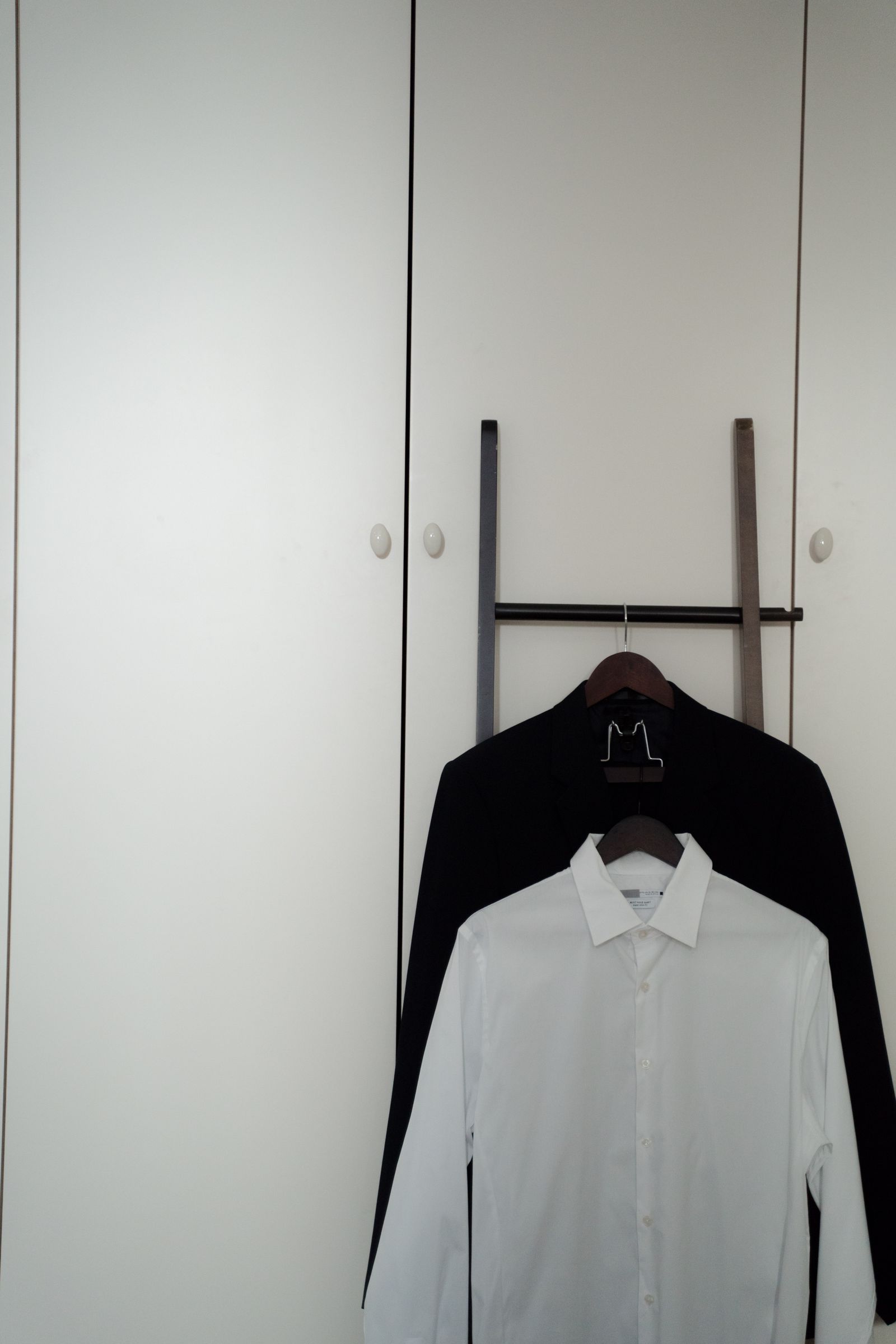
1. Why Women’s Tops Are the Foundation of a Versatile Wardrobe
Tops occupy a unique position in everyday dressing. Unlike many lower-body garments, which can remain relatively consistent across multiple outfits, a top often changes the perceived character of an entire look. A simple pair of trousers can appear relaxed with a soft cotton shirt, professional with a structured blouse, refined with a satin design, or contemporary with an oversized silhouette.
This versatility makes tops one of the most important categories when building a practical wardrobe. A thoughtfully selected collection can provide numerous combinations without creating unnecessary duplication. For example, a neutral everyday shirt can support casual denim, tailored trousers, skirts, layered jackets, and seasonal outerwear. A more elegant blouse can transform the same trousers into a dinner-ready outfit without requiring a completely new wardrobe.
When evaluating a top, it is useful to think in terms of three dimensions: visual appeal, functional versatility, and wardrobe compatibility. A beautiful piece that works with only one outfit may have limited practical value. A simple garment that works with fifteen different combinations can become one of the most frequently worn pieces in the closet.
This is where a reliable collection of Women's Classic Cotton T-Shirt styles can provide a strong foundation. Cotton basics are particularly useful because they can serve as standalone pieces during warmer weather and as layering components when temperatures fall.
2. Understanding the Major Categories of Women’s Tops
Not all tops serve the same purpose. A modern wardrobe becomes easier to manage when garments are grouped according to their role rather than simply by color or appearance. The following categories provide a practical framework.
| Top Category | Typical Character | Best Wardrobe Role | Styling Potential |
|---|---|---|---|
| Classic T-Shirt | Simple and versatile | Everyday foundation | Very high |
| Oversized Top | Relaxed and contemporary | Casual statement | High |
| Ribbed Top | Textured and fitted | Modern basic | Very high |
| Long Sleeve Top | Practical and adaptable | Layering essential | Very high |
| V-Neck Blouse | Polished and feminine | Smart casual dressing | High |
| Satin Blouse | Fluid and refined | Elevated occasions | High |
These categories should not be viewed as rigid boxes. One garment can serve multiple purposes depending on styling. A neutral blouse can become office appropriate with tailored trousers and sophisticated in the evening with a statement skirt. A simple T-shirt can become polished when tucked into high-waisted trousers and paired with a structured blazer.
3. The Importance of Silhouette
Silhouette is one of the most influential characteristics of any top. It determines how fabric sits around the shoulders, torso, waist, and hips. The objective is not to follow a universal definition of the “correct” fit. Instead, the goal is to understand what each silhouette communicates and how it interacts with the rest of the outfit.
Fitted tops tend to create a defined outline and can work particularly well under relaxed jackets, cardigans, or oversized outerwear. Relaxed silhouettes create movement and can provide an intentionally casual appearance. Oversized garments create visual volume and often work best when balanced with a more streamlined lower half.
Proportion is the key. If both the top and trousers are extremely loose, the outfit may look intentionally relaxed, but it can also become visually heavy if the proportions are not carefully considered. Conversely, combining a fitted top with a flowing skirt can create contrast and movement.

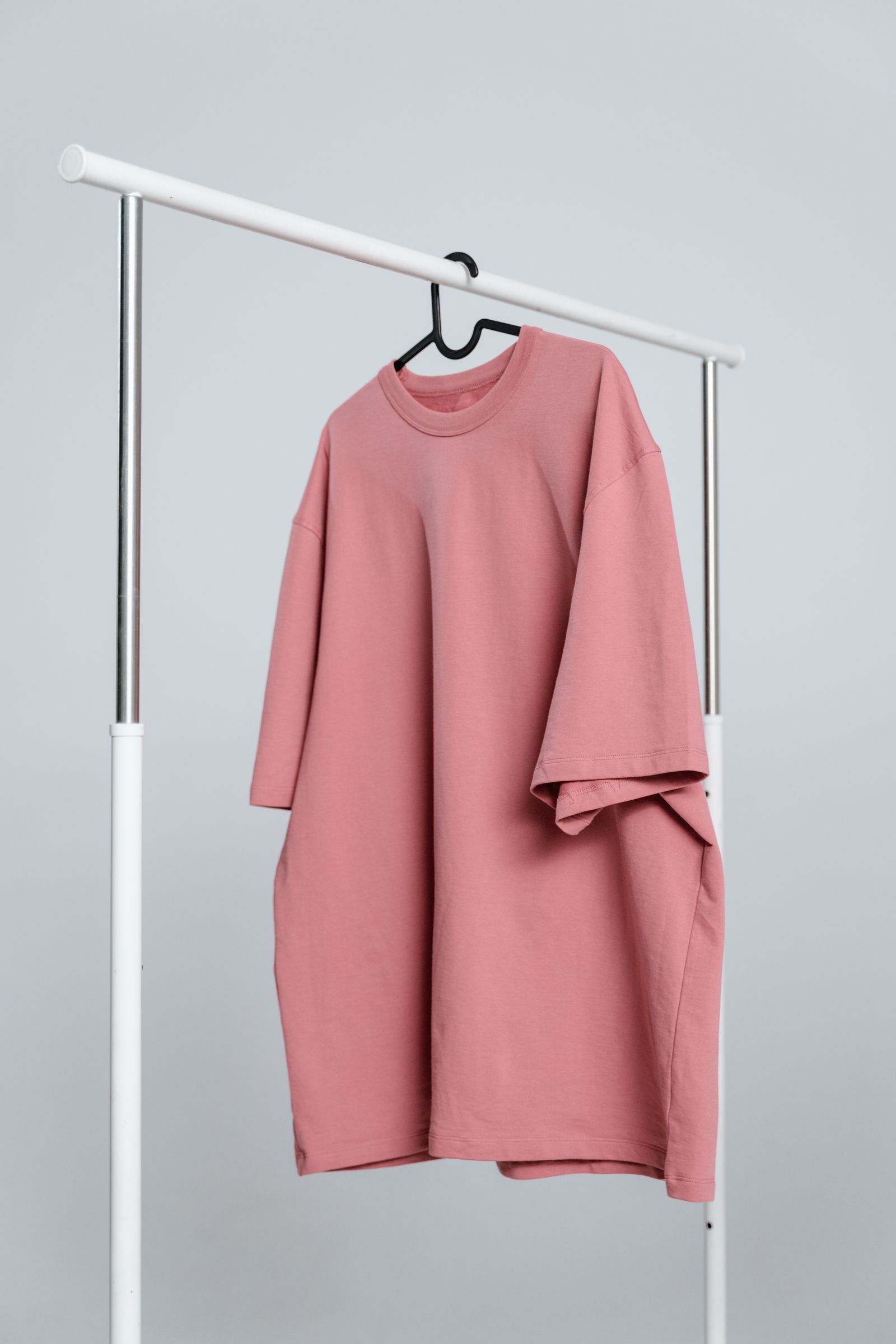
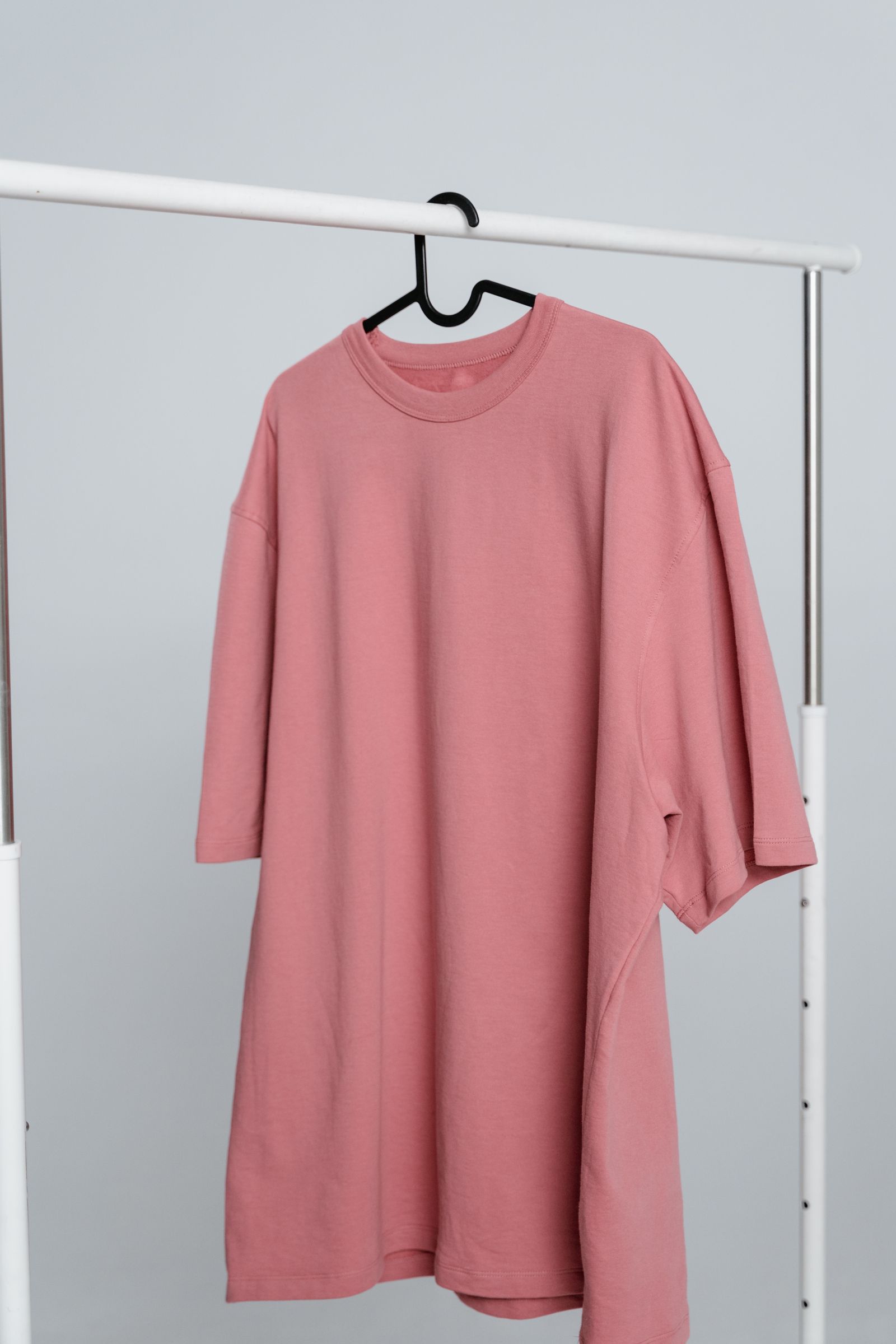
An Women's Oversized Crew Neck T-Shirt can therefore become more than a casual basic. Its relaxed structure can support modern styling when paired with straight-leg trousers, fitted skirts, structured denim, or streamlined accessories.
4. Choosing the Right Neckline
The neckline deserves more attention than it often receives. Because it sits close to the face, it can significantly influence the visual character of an outfit. Crew necks are classic and straightforward, while V-necks introduce a vertical line that can create a more elongated visual impression. Boat necks offer a wider horizontal effect, while higher necklines can provide a clean and refined appearance.
Choosing a neckline should also depend on the intended setting. A crew neck is often effortless for casual dressing, while a V-neck blouse can transition naturally into professional or smart-casual environments.
The versatility of the V-neck is one reason a Women's V-Neck Blouse can be valuable within a carefully planned wardrobe. It can be worn with trousers, jeans, skirts, or layered under a blazer.
5. Fabric Matters More Than Many Shoppers Expect
A top can have a beautiful silhouette but still fail to become a favorite if the fabric does not feel comfortable or perform well. Fabric affects breathability, structure, drape, durability, texture, maintenance, and seasonal suitability.
Cotton
Cotton is a reliable choice for everyday clothing because it can provide softness, breathability, and practical versatility. It is particularly useful for casual tops that need to withstand repeated wear and washing.
Ribbed Fabrics
Ribbed materials introduce texture and often create a more dimensional appearance than completely smooth fabrics. They can be especially effective for fitted tops because the vertical texture adds visual interest without requiring prints or embellishment.
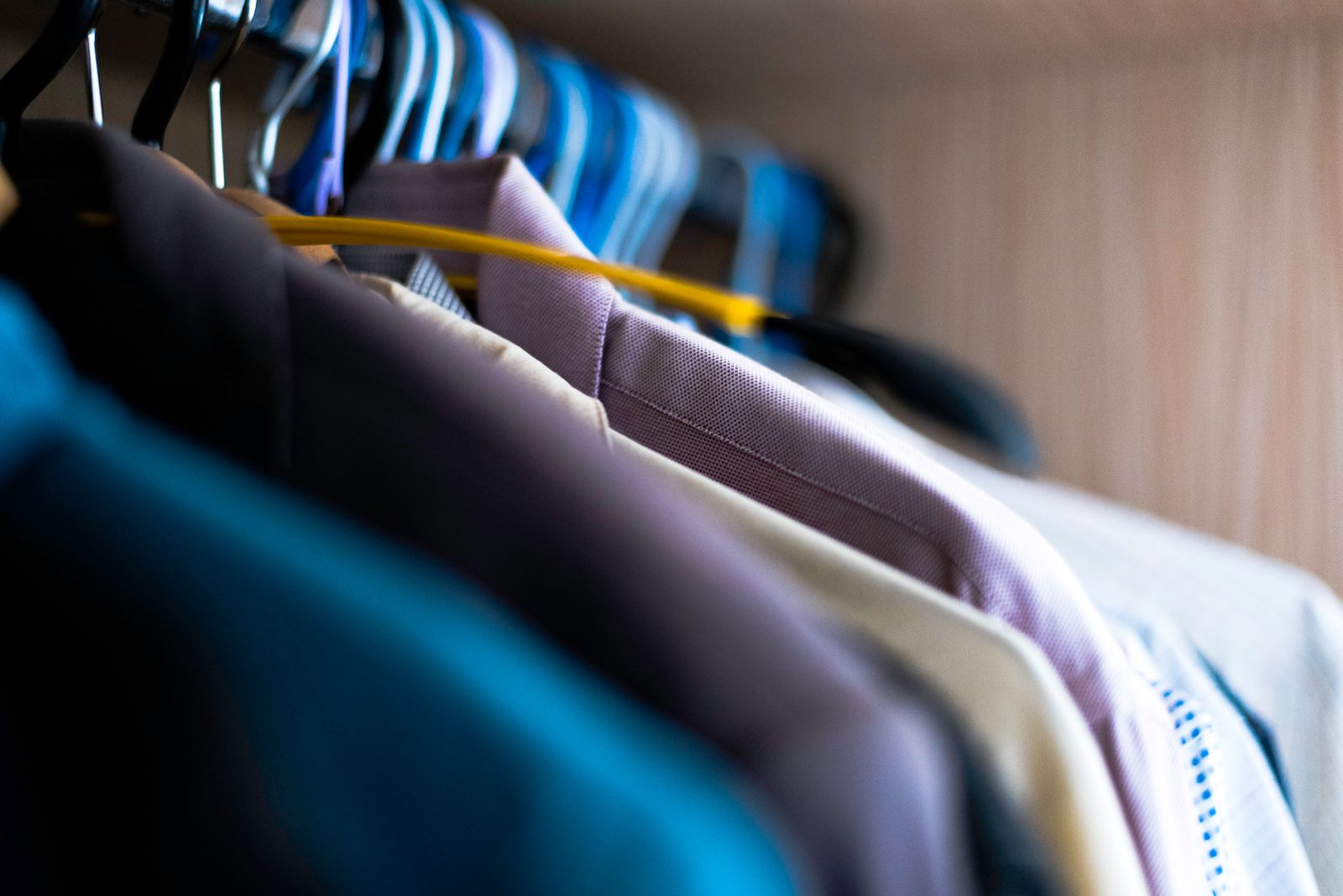
A Women's Ribbed Short Sleeve Top can therefore occupy an important middle ground between a basic T-shirt and a more structured blouse.
Satin
Satin offers a smooth surface and noticeable light reflection, which can immediately elevate the visual character of an outfit. It works especially well when the goal is to introduce refinement without relying on heavy embellishment.
Because satin has a naturally elegant appearance, a simple satin blouse can often be paired with understated trousers or denim. The contrast between a luxurious-looking top and a casual bottom can create a balanced modern outfit.
Blended Fabrics
Blended materials can combine characteristics from different fibers, potentially improving comfort, durability, stretch, wrinkle resistance, or drape. When choosing blends, consider how the fabric feels against the skin and how it behaves after washing rather than focusing only on fiber names.
6. Building a Smart Color Strategy
Color is one of the easiest ways to increase the number of outfits available from a small wardrobe. A useful approach is to establish a neutral foundation before introducing accent colors.
White, black, cream, beige, gray, navy, and muted earth tones can provide strong foundations because they can coordinate with many other shades. Once these basics are established, accent colors can add personality without making the wardrobe difficult to combine.
For example, a neutral collection of tops can be complemented with one or two seasonal shades such as soft blue, muted green, burgundy, dusty rose, or warm terracotta. The objective is not to restrict color but to create relationships between colors.
| Color Group | Visual Character | Useful Pairings |
|---|---|---|
| White & Cream | Clean and bright | Denim, black, beige, navy |
| Black | Sharp and versatile | Almost every neutral or accent |
| Beige & Taupe | Soft and sophisticated | White, brown, black, denim |
| Navy | Classic and refined | White, gray, camel, denim |
| Pastels | Fresh and gentle | White, cream, light denim |
| Deep Accents | Rich and expressive | Neutral foundations |
7. The Role of the Classic T-Shirt
The classic T-shirt is one of the most adaptable garments in contemporary clothing. Its strength comes from simplicity. It can act as the foundation for casual outfits, a layering piece beneath tailored garments, or a relaxed contrast against more sophisticated pieces.
Its success depends heavily on fit. A well-proportioned T-shirt should feel comfortable through the shoulders and torso while maintaining enough structure to avoid looking shapeless. Fabric weight also matters. Very lightweight material can create a delicate appearance, while heavier cotton can provide a more substantial silhouette.
For maximum versatility, consider neutral shades first. White, black, charcoal, navy, and cream can support a wide range of outfits.
8. When an Oversized Top Works Best
Oversized tops are an important part of modern casual styling. They create a relaxed visual statement and can make an outfit feel effortless. However, successful oversized dressing depends on intentional proportions.
One common strategy is to combine a roomy top with a narrower bottom. Straight-leg trousers can also work when the entire outfit is designed around a relaxed silhouette. Another approach is to partially tuck the front of the top, creating visual structure without removing the relaxed character.
Accessories can also help define the look. A structured handbag, clean sneakers, refined jewelry, or a belt can introduce contrast against the volume of the top.
9. Ribbed Tops and Textural Dressing
Texture is an effective way to create sophisticated outfits without relying on bold prints. Ribbed fabrics naturally catch light and create subtle vertical lines, making them useful for minimalist wardrobes.
Ribbed tops can be worn with denim for a relaxed look, tailored trousers for a polished combination, or under jackets and cardigans during cooler weather. Their texture also allows a monochromatic outfit to remain visually interesting.
For example, a cream ribbed top with beige trousers may appear simple from a color perspective, but differences in fabric texture can create depth and dimension.
10. Long-Sleeve Tops for Layering
Layering is one of the most practical ways to extend the usefulness of a wardrobe across seasons. Long-sleeve basics can be worn independently during mild weather or underneath jackets, coats, cardigans, and sleeveless dresses.
A Women's Long Sleeve Basic Top is particularly useful when building a flexible capsule wardrobe because it can occupy multiple roles. Choose smooth fabrics when layering beneath fitted garments and slightly heavier textures when wearing the top independently.
Layering also provides an opportunity to combine different textures. A smooth long-sleeve top beneath a textured jacket can create contrast, while a ribbed layer beneath a structured coat adds subtle dimension.
11. Styling the V-Neck Blouse
A V-neck blouse can bridge the gap between casual and polished dressing. The neckline creates a naturally open visual line, while the blouse construction provides more refinement than a basic T-shirt.
For professional settings, pair a neutral blouse with tailored trousers and understated accessories. For a smart weekend outfit, combine the same blouse with straight-leg denim and loafers. For evening dressing, consider pairing it with a flowing skirt or refined wide-leg trousers.
The most versatile blouse colors are generally those that coordinate easily with existing wardrobe pieces. Neutral tones provide maximum flexibility, while jewel tones and rich shades can provide more visual impact.
12. Satin Blouses and Evening Elegance
Satin is particularly useful when an outfit needs an elevated finish without becoming overly formal. Its smooth surface catches light and gives even simple silhouettes a sophisticated character.
A Women's Satin Button-Up Blouse can be styled in several ways. It can be tucked into tailored trousers, worn loosely over a fitted base layer, or paired with denim to create a deliberate high-low combination.

The key to styling satin is balance. Because the fabric already has visual shine, accessories do not always need to be dramatic. Minimal jewelry and clean footwear can allow the fabric to remain the focal point.
13. Creating Outfits Around One Hero Top
A practical wardrobe strategy is to select one top and create several outfits around it. This encourages versatility and prevents the common problem of buying garments that only work with one specific combination.
Imagine a neutral satin blouse. It could be paired with:
- Dark tailored trousers for a professional appearance.
- Medium-wash denim for smart casual dressing.
- A flowing midi skirt for an elegant evening outfit.
- Wide-leg trousers for a contemporary silhouette.
- A structured blazer for a sophisticated layered look.
- Neutral shorts during warmer weather.
The same principle works with basic T-shirts, ribbed tops, and long-sleeve layers. The objective is to multiply outfit possibilities without multiplying wardrobe volume.
14. Understanding Wardrobe Compatibility
Before buying a new top, consider at least five existing garments it could work with. This simple test can help determine whether the purchase genuinely expands the wardrobe.
If a new top only matches one pair of trousers and one pair of shoes, it may become an occasional item. If it works with jeans, tailored trousers, skirts, shorts, jackets, and cardigans, it is likely to become more useful.
This is also why exploring broader Women Clothing Brands collections can be approached strategically: the goal is not merely to discover attractive garments, but to identify pieces that complement a clear wardrobe plan.
15. Casual Tops for Everyday Life
Everyday clothing should combine comfort with visual consistency. Casual does not have to mean careless. A clean T-shirt, well-fitted jeans, simple sneakers, and a structured bag can create an intentionally polished appearance with very little effort.
Neutral casual tops are especially valuable because they allow accessories and outerwear to change the mood of the outfit. The same basic top can appear sporty with sneakers, refined with loafers, contemporary with boots, or feminine with a flowing skirt.
A Women's Classic Cotton T-Shirt therefore remains a practical wardrobe building block even when personal style evolves over time.
16. Tops for Professional Dressing
Professional dressing does not require every garment to be formal. Instead, professional appearance is often created through a combination of clean silhouettes, appropriate proportions, controlled color, and intentional coordination.
Blouses are especially useful in this context because they can instantly add structure to an outfit. A V-neck blouse can be combined with tailored trousers, while a satin button-up can introduce subtle sophistication under a blazer.
When selecting workwear tops, consider opacity, comfort, sleeve practicality, neckline suitability, and how easily the garment can be layered. Clothing that requires constant adjustment may become frustrating even if it looks excellent when first worn.
17. Weekend and Travel Dressing
Travel wardrobes benefit enormously from versatile tops. A limited number of well-selected garments can produce multiple combinations while keeping luggage manageable.
For travel, prioritize fabrics that are comfortable for long periods and relatively easy to maintain. Neutral colors can reduce the number of bottoms and accessories needed because they coordinate easily.
An oversized T-shirt can be ideal for transit days, while a ribbed top can provide a slightly more polished option for casual sightseeing. A long-sleeve layer can help manage temperature changes, and a satin blouse can provide an elevated option for dinner.

18. Seasonal Planning for Women’s Tops
Different seasons require different fabric weights, sleeve lengths, and layering strategies. However, the best wardrobes do not completely change every few months. Instead, core pieces remain consistent while seasonal layers rotate.
Spring
Spring is ideal for lightweight layers, soft colors, long-sleeve basics, cotton shirts, and transitional blouses. The ability to add or remove a cardigan or light jacket is particularly useful.
Summer
Summer wardrobes generally benefit from breathable materials, lighter colors, short sleeves, relaxed silhouettes, and easy-to-wash basics. Simple tops become especially important because they can be worn frequently and paired with skirts, shorts, and lightweight trousers.
Autumn
Autumn introduces opportunities for texture. Ribbed tops, long sleeves, satin blouses under jackets, and layered neutral tones can create sophisticated combinations.
Winter
During winter, layering becomes central. Long-sleeve basics can sit beneath sweaters, coats, blazers, and jackets. Smooth fabrics are useful when multiple layers need to sit comfortably together.
19. The Art of Minimalist Styling
Minimalism in clothing does not mean wearing only black, white, and gray. It means reducing unnecessary visual competition and allowing the essential elements of an outfit to work together.
A minimalist outfit might consist of a neutral ribbed top, tailored trousers, simple shoes, and one structured accessory. Another might combine a white T-shirt with denim and a classic blazer. The result can feel sophisticated because each component has a clear role.
Minimalist wardrobes also tend to reward quality and fit. When fewer pieces are visible, details such as fabric texture, stitching, neckline shape, and proportion become more noticeable.
20. Combining Textures Without Overcomplicating an Outfit
Texture can replace pattern when creating visual interest. Smooth satin, ribbed cotton, denim, wool, leather, and knitwear can coexist in the same outfit when their colors remain coordinated.
For example, a ribbed top with tailored trousers and a structured leather-look bag creates interest through texture rather than bold prints. A satin blouse with matte trousers creates a similar contrast because the fabrics respond differently to light.
The secret is moderation. If every item has a strong texture, the outfit can become visually crowded. Usually, two or three contrasting textures are enough.
21. Smart Shopping: What to Check Before Buying
A professional approach to shopping starts before the checkout stage. Inspect the garment carefully and ask practical questions.
- Does the fabric feel comfortable?
- Does the shoulder seam sit correctly?
- Is the neckline appropriate for the intended use?
- Can the garment work with existing trousers or skirts?
- Is the color compatible with the wardrobe?
- Will the garment require difficult maintenance?
- Can it be worn in more than one season?
- Does it fill a genuine gap in the wardrobe?
These questions turn shopping from an impulse-driven activity into a wardrobe-building process.
22. Common Mistakes When Buying Women’s Tops
Buying Too Many Similar Basics
Basics are useful, but owning ten versions of almost the same shirt may not improve wardrobe versatility. Once the fundamental neutral pieces are covered, consider adding different textures, silhouettes, or functions.
Ignoring Fabric Maintenance
A beautiful top that requires constant special care may be worn less frequently than expected. Always consider the practical maintenance routine before purchasing.
Choosing Trends Without Considering Personal Style
Trends can be fun, but they should complement rather than replace a personal wardrobe strategy. A trend becomes more valuable when it integrates naturally with existing pieces.
Ignoring Proportion
A top may look excellent independently but less successful when combined with a particular bottom. Consider the entire silhouette rather than judging a garment in isolation.
23. Building a Capsule Collection of Tops
A capsule collection can be remarkably efficient. Instead of defining an exact number of garments, focus on ensuring that each item performs a distinct role.
A practical capsule might include classic short sleeves, a relaxed oversized option, a textured ribbed top, one or two long-sleeve basics, a polished V-neck blouse, and an elegant satin blouse.

The advantage of this approach is that every garment can be evaluated according to function. A capsule wardrobe is not about owning as little as possible. It is about ensuring that what you own works together.
24. How to Use Neutral Tops as Styling Anchors
Neutral tops are particularly effective as anchors because they allow stronger accessories or bottoms to become the visual focus. A black top can support a patterned skirt. A white top can balance colorful trousers. A beige blouse can soften dark denim.
This makes neutral tops particularly valuable for people who enjoy experimenting with accessories. Changing a belt, handbag, scarf, or shoe can completely alter the mood without changing the central garment.
Another useful approach is tonal dressing. Different shades of the same color family can create a sophisticated monochromatic effect. Cream, beige, camel, and light brown, for example, can be combined to create depth without dramatic contrast.
25. How to Style One Top in Five Different Ways
Versatility becomes easier to understand when applied to a specific example. Consider a simple neutral top.
- Casual: Pair it with relaxed denim and clean sneakers.
- Smart casual: Add tailored trousers and loafers.
- Professional: Layer it beneath a structured blazer.
- Evening: Combine it with a flowing skirt and refined accessories.
- Travel: Pair it with comfortable trousers, a lightweight jacket, and practical footwear.
This exercise demonstrates why versatility matters more than complexity. A simple garment can become the foundation for multiple distinct outfits when the supporting pieces change.
26. Accessorizing Women’s Tops
Accessories can significantly alter the perceived style of a top. A simple T-shirt can become more sophisticated with a structured handbag and refined jewelry. A satin blouse can become more relaxed with casual denim and minimal accessories.
Necklaces should be considered in relation to the neckline. Shorter necklaces can complement open necklines, while longer pendants can create a vertical line over simple crew-neck garments.
Belts can help define proportions, especially when wearing oversized tops or loose blouses. Bags can also create contrast: a structured bag introduces polish, while a relaxed tote reinforces a casual aesthetic.
27. Footwear and the Final Silhouette
Although footwear is not part of the top itself, it strongly influences how a top is perceived within the complete outfit. Sneakers can make a blouse feel contemporary and relaxed. Loafers can introduce polish. Boots can create a stronger seasonal appearance, while refined flats can maintain a softer aesthetic.
When styling a top, do not stop at the waistline. Consider the entire outfit from neckline to footwear. A successful combination should feel visually connected from top to bottom.
28. Creating a Modern Wardrobe Without Chasing Every Trend
Modern style does not require constant replacement. Many contemporary wardrobes are based on classic silhouettes updated through proportion, color, fabric, and accessories.
A traditional T-shirt can feel modern when paired with wide-leg trousers. A classic blouse can feel current with relaxed denim. A ribbed top can become sophisticated through monochromatic styling. An oversized shirt can become polished with structured accessories.
The important principle is adaptability. Instead of purchasing a completely new wardrobe whenever fashion changes, update the styling around reliable core pieces.
29. Quality, Construction, and Long-Term Wardrobe Value
Quality should be considered from several perspectives. Fabric quality is important, but construction matters as well. Look at seams, hems, buttons, collars, cuffs, and overall finishing.
A garment with a simple design can still feel premium when construction is clean and proportions are carefully considered. Conversely, decorative details cannot compensate for poor fit or uncomfortable fabric.
Long-term value also depends on how frequently a garment can be worn. A moderately priced top that becomes a weekly wardrobe favorite may offer more practical value than an expensive item that remains in the closet for special occasions only.
30. Wardrobe Organization for Better Outfit Planning
Organization can influence how often clothing is actually worn. When tops are easy to see and grouped logically, it becomes simpler to create combinations.
One approach is to organize by category: short sleeves, long sleeves, blouses, elegant pieces, and seasonal layers. Another is to organize by color. A hybrid method often works well, with categories arranged first and colors arranged within each category.
Keeping frequently worn basics accessible can also reduce morning decision fatigue. Special occasion garments can be stored separately so the everyday wardrobe remains visually simple.
31. Caring for Women’s Tops
Good care can extend the practical life of garments. Always follow the care instructions provided for the specific fabric. Avoid unnecessarily aggressive washing, excessive heat, or storage methods that can distort the garment.
Fold knit and heavier fabrics when appropriate, while suitable blouses can often be stored on supportive hangers. Avoid overcrowding the wardrobe because excessive pressure can wrinkle fabrics and make garments harder to access.
Regularly inspect frequently worn tops for loose threads, small stains, stretched necklines, or damaged buttons. Addressing small problems early can help preserve the appearance of a garment.
32. The Difference Between Fashion and Personal Style
Fashion changes continuously, while personal style tends to develop through repeated preferences. Understanding this difference can make wardrobe decisions easier.
If you consistently prefer neutral colors, relaxed silhouettes, and clean lines, there is little reason to abandon those preferences simply because a temporary trend becomes popular. Instead, incorporate trends selectively through accessories, colors, or one or two modern silhouettes.
A strong wardrobe reflects the person wearing it without requiring constant explanation. Consistency creates a recognizable visual language.
33. A Practical Formula for Everyday Outfit Building
When deciding what to wear, a simple formula can reduce complexity:
- Choose the main top.
- Select a complementary bottom.
- Check the overall proportion.
- Add one layer if necessary.
- Select footwear according to the occasion.
- Finish with one or two intentional accessories.
This process can be completed quickly once the wardrobe is organized. It also encourages thoughtful combinations instead of repeatedly wearing the same complete outfit.
34. Using Women’s Clothing Collections Strategically
When exploring online clothing collections, shoppers can benefit from thinking in terms of wardrobe gaps. Instead of asking only whether a garment looks attractive, ask what role it will play.
Perhaps the wardrobe needs a neutral everyday top. Perhaps it needs a polished blouse for work. Perhaps the missing piece is a long-sleeve layer for transitional weather. By identifying the gap first, shopping becomes more intentional.
Exploring curated Women Clothing Brands can then become part of a broader strategy rather than an endless search for individual pieces.
35. Five Wardrobe Combinations Worth Repeating
Some outfit formulas remain useful because they combine simplicity and versatility.
- Classic T-shirt + straight-leg denim + sneakers.
- Ribbed top + tailored trousers + loafers.
- V-neck blouse + dark denim + structured bag.
- Long-sleeve basic + midi skirt + ankle boots.
- Satin button-up + wide-leg trousers + minimal jewelry.
These combinations can be adapted to different colors, seasons, and personal preferences without changing the underlying formula.
36. Why Versatility Is a Form of Luxury
Luxury in a wardrobe is not necessarily about quantity or logos. It can also mean having clothing that performs exceptionally well across different situations. A versatile top reduces the need for excessive shopping and makes daily dressing more efficient.
The most valuable garments often become those that disappear into many outfits because they work so naturally. They may not always be the most dramatic pieces, but they create the structure that allows statement garments to function.
37. The Future of a Well-Planned Women’s Wardrobe
A modern wardrobe is increasingly about intentionality. Shoppers are becoming more interested in versatility, comfort, durability, practical styling, and garments that work across different parts of daily life.
This does not mean personal style has to become boring. On the contrary, a reliable foundation creates more freedom to experiment. Once essential tops are covered, distinctive colors, unusual accessories, seasonal trends, and statement pieces can be introduced without creating wardrobe chaos.
38. Final Wardrobe Checklist
Before considering a women’s tops collection complete, review the following checklist:
- At least one reliable everyday neutral top.
- At least one relaxed or oversized silhouette.
- A textured option such as a ribbed top.
- A practical long-sleeve layer.
- A polished blouse suitable for smart occasions.
- An elevated fabric such as satin.
- Colors that coordinate with existing bottoms.
- Fabrics appropriate for the local climate and lifestyle.
- Pieces that can be layered in multiple ways.
- Enough variety to avoid unnecessary repetition.
39. Frequently Asked Questions
What are the most useful women’s tops for a versatile wardrobe?
A strong foundation can include classic T-shirts, relaxed silhouettes, ribbed tops, long-sleeve basics, polished blouses, and one or two elevated pieces such as satin button-up styles. The exact selection should reflect lifestyle, climate, and personal preferences.
How many tops should a woman own?
There is no universal number. A practical wardrobe should contain enough tops to support everyday routines while avoiding unnecessary duplication. Versatility and frequency of use are more useful measures than a fixed quantity.
Are neutral tops better for capsule wardrobes?
Neutral tops are often easier to combine with multiple colors and silhouettes, making them useful for capsule wardrobes. Accent colors can then be introduced strategically to add personality.
How can an oversized top look polished?
Balance is important. Pair a relaxed top with a streamlined bottom, structured accessories, or clean footwear. A partial tuck can also create additional visual definition.
What makes a blouse versatile?
A versatile blouse usually combines an adaptable color, comfortable fabric, useful neckline, practical fit, and compatibility with multiple bottoms and layers.
Can a T-shirt be worn in a sophisticated outfit?
Absolutely. The overall styling determines the result. A high-quality T-shirt can be combined with tailored trousers, a structured blazer, refined footwear, and minimal accessories for a polished appearance.
How can I make my wardrobe look more expensive?
Focus on fit, clean coordination, fabric texture, restrained accessories, careful garment care, and consistent color combinations. A simple wardrobe can appear highly polished when proportions and details are intentional.
40. The Complete Strategy in One Simple Idea
The most effective way to approach women’s tops is to think beyond individual garments. A top should not be evaluated only by how it looks on its own. Consider how it interacts with the rest of the wardrobe, how frequently it can be worn, how it performs in different seasons, and whether it contributes a genuinely useful silhouette or texture.
A carefully selected combination of classic basics, relaxed silhouettes, textured pieces, long-sleeve layers, polished blouses, and elegant fabrics can create an impressive number of outfits from a relatively manageable wardrobe.
For shoppers who prefer simple foundations, a Women's Classic Cotton T-Shirt remains an excellent starting point. For contemporary casual styling, a Women's Oversized Crew Neck T-Shirt adds relaxed volume. A Women's Ribbed Short Sleeve Top brings texture, while a Women's Long Sleeve Basic Top extends layering possibilities.
For more polished occasions, a Women's V-Neck Blouse can bridge casual and professional dressing, while a Women's Satin Button-Up Blouse can introduce a more elevated finish.
Finally, exploring Women Clothing Brands with a clear understanding of your wardrobe needs can make the entire shopping process more focused and productive.
Build a Wardrobe That Works for You
The ideal collection of women’s tops is not defined by a single trend, a fixed number of garments, or one particular aesthetic. It is defined by usefulness, compatibility, comfort, confidence, and the ability to create outfits for real life.
Start with dependable essentials. Add texture. Introduce different silhouettes. Build around a controlled color palette. Experiment with layering. Reserve space for elegant pieces. Most importantly, choose garments that can participate in several outfits rather than pieces that exist in isolation.
When every top has a purpose, getting dressed becomes simpler, styling becomes more creative, and the wardrobe begins to feel intentional rather than overwhelming.
Comments
Post a Comment