The Ultimate Women’s Tops Style Guide: Building a Versatile, Elegant, and High-Performance Wardrobe for Every Occasion
The Ultimate Women’s Tops Style Guide: Building a Versatile, Elegant, and High-Performance Wardrobe for Every Occasion
A professional guide to selecting, styling, combining, organizing, and caring for women’s tops while creating a wardrobe that delivers maximum versatility with a refined and intentional appearance.
Women’s tops are among the most influential pieces in a modern wardrobe. They sit close to the face, define the upper silhouette, interact with jackets and accessories, and can completely change the character of familiar trousers, jeans, skirts, and dresses. A carefully selected top can make an outfit feel relaxed, sophisticated, professional, contemporary, feminine, minimalist, or effortlessly casual without requiring an entirely new wardrobe.
That versatility is precisely why shopping for tops deserves a more strategic approach. Instead of collecting garments simply because they look attractive on a rack or in a product photograph, a professional wardrobe strategy asks how each piece will function within the larger collection. The most useful top is not necessarily the most dramatic one. It is often the garment that can be worn repeatedly, styled in several ways, layered throughout the year, and combined with pieces already owned.
A dependable Women’s Classic Cotton T-Shirt, for example, can become the foundation for dozens of casual and smart-casual outfits when its color, fabric weight, neckline, and proportions are carefully chosen.
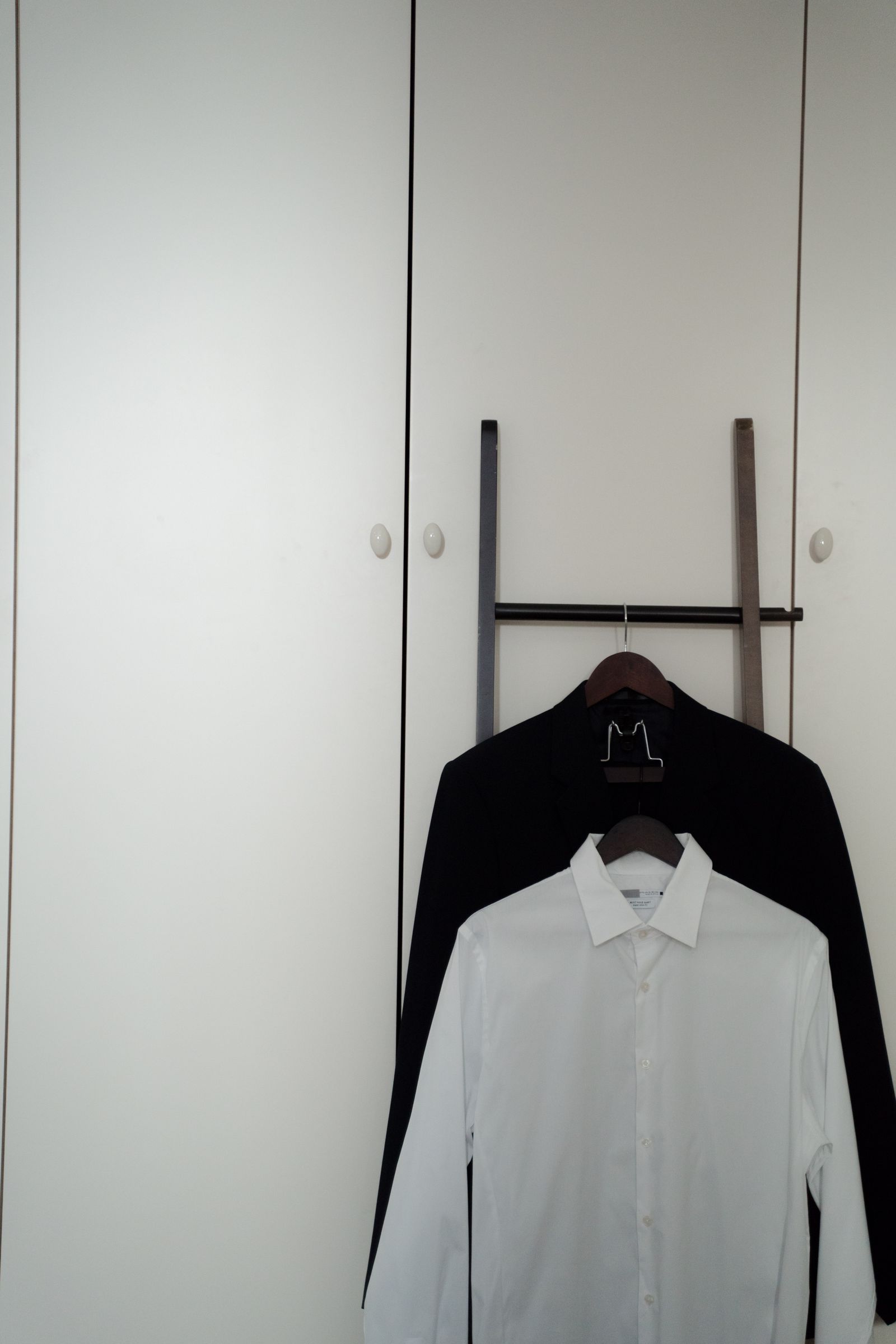
Why Women’s Tops Are the Foundation of Outfit Versatility
When people think about building a wardrobe, they often focus on major categories such as coats, trousers, dresses, or shoes. Yet tops may actually perform one of the most important connecting functions. They bridge the gap between casual and polished clothing, provide layers during changing temperatures, and introduce color and texture near the face.
Consider a simple pair of dark trousers. With a cotton T-shirt, the result can be relaxed and contemporary. With a crisp blouse, the same trousers can appear professional. With a satin button-up, the outfit can move toward evening sophistication. Add a blazer to any of these combinations and the visual message changes again.
This means that a wardrobe does not necessarily need a huge number of garments to create variety. It needs enough compatible tops to transform the supporting pieces already available.
A strategic tops collection should therefore answer several questions. Which garments are everyday foundations? Which pieces are appropriate for work? Which tops are suitable for evenings? Which can be layered? Which are comfortable in warm weather? Which provide visual interest without becoming difficult to combine?
Understanding the Major Categories of Women’s Tops
The category of women’s tops includes many different constructions. Each has a specific role, and understanding those roles makes shopping more efficient.
Classic Cotton T-Shirts
The classic T-shirt is one of the strongest wardrobe foundations because it can adapt to numerous levels of formality. A clean neckline and reliable fabric create a simple base for denim, tailored trousers, skirts, jackets, and casual outerwear.
The most versatile colors tend to be neutrals, although accent colors can add personality once the foundation is established. White, cream, black, gray, navy, beige, and muted brown are particularly easy to coordinate.
Oversized Crew-Neck Tops
Oversized silhouettes introduce a contemporary sense of proportion. They are especially useful when the wardrobe contains slim or structured bottoms that can balance additional volume above the waist.
The Women’s Oversized Crew Neck T-Shirt style can also serve as an alternative to fitted basics when comfort and relaxed styling are priorities.
Ribbed Short-Sleeve Tops
Ribbed fabric adds texture without requiring bold patterns. The vertical structure of ribbing can make a simple silhouette appear more detailed and intentional. Depending on its construction, a ribbed top can work independently or function as a base layer beneath jackets and cardigans.
A Women’s Ribbed Short Sleeve Top can therefore fill an important space between the casual simplicity of a standard T-shirt and the polished appearance of a blouse.
Long-Sleeve Basics
Long-sleeve tops are particularly useful for transitional dressing. They can be worn alone during mild weather or layered underneath sweaters, vests, jackets, and coats when temperatures fall.
A reliable Women’s Long Sleeve Basic Top should ideally have comfortable sleeves, a useful neckline, and fabric that does not create excessive bulk under outer layers.
V-Neck Blouses
Blouses introduce a more polished visual language. A V-neck can create an open neckline and provide a natural area for a necklace or delicate accessory. It can work with tailored trousers, denim, skirts, and structured jackets.
Satin Button-Up Blouses
Satin button-up designs are especially useful when an outfit needs additional refinement. Their smooth surface reflects light and creates a distinctive texture compared with cotton or ribbed knitwear.
How to Choose the Right Fit
Fit is one of the strongest indicators of whether a top will look polished. Even a beautiful fabric can appear less successful when the shoulders, sleeves, bust, waist, or hem are not appropriate for the intended silhouette.
Start with the shoulders. For a conventional fitted or semi-fitted garment, shoulder seams should generally sit close to the natural shoulder position. Excessive pulling may indicate insufficient room, while unnecessary drooping may change the intended structure.
Next, examine the torso. Buttons should lie comfortably without visible strain, while a T-shirt should allow natural movement without becoming excessively loose. The correct amount of ease depends on whether the design is fitted, relaxed, or intentionally oversized.
Finally, examine the hem. A short hem can create a defined waistline, while a longer hem may offer more coverage and relaxed movement. Neither is inherently better. The key is whether the length supports the rest of the outfit.
| Fit Area | What to Evaluate | Styling Impact |
|---|---|---|
| Shoulders | Seam position and movement | Determines the basic structure of the top |
| Chest | Pulling, gaping, and ease | Affects comfort and visual polish |
| Waist | Shape and fabric volume | Influences silhouette and proportion |
| Sleeves | Length and width | Important for layering and balance |
| Hem | Length and drape | Determines tuck, untuck, and layering options |
Fitted, Relaxed, or Oversized?
There is no single ideal silhouette for every wardrobe. Instead, a versatile collection benefits from several levels of volume.
Fitted tops are useful under structured jackets and with wide-leg trousers. Relaxed tops offer everyday comfort and can be styled with both casual and polished bottoms. Oversized tops create a modern aesthetic and can work particularly well with narrower or more structured lower pieces.
Fitted Silhouettes
Excellent for layering, creating defined proportions, and balancing wider trousers or skirts.
Relaxed Silhouettes
A versatile middle ground that offers comfort without creating excessive volume.
Oversized Silhouettes
Ideal for contemporary casual outfits and relaxed styling when balanced with controlled proportions.
Fabric Selection: The Hidden Factor Behind Wardrobe Performance
Fabric determines much more than softness. It influences drape, breathability, structure, durability, wrinkle behavior, texture, and care requirements.
Cotton is widely valued for everyday wear because it can provide comfort and versatility. However, different cotton fabrics can behave very differently. Lightweight jersey may feel casual and breathable, while heavier cotton can provide a more structured appearance.
Ribbed fabrics add stretch and texture, making them useful for fitted or semi-fitted tops. Woven fabrics generally create a different type of structure and can be particularly useful for blouses.
Satin offers a smooth surface and reflective finish that can immediately elevate an outfit. Because it may require more careful handling, shoppers should consider whether the care routine fits their lifestyle before purchasing multiple delicate pieces.

Color Planning for a More Connected Wardrobe
Color planning is one of the easiest ways to improve wardrobe versatility. A collection built around a coherent palette allows tops to work with more trousers, skirts, jackets, and accessories.
Neutral shades can form the foundation. White and cream brighten outfits, black provides strong contrast, navy offers a sophisticated dark alternative, while beige, taupe, and gray can create softer combinations.
Accent colors can then be added according to personal taste. Burgundy, sage, dusty rose, deep green, muted blue, chocolate brown, and other subdued shades can provide character without overwhelming the wardrobe.
The goal is not to create a wardrobe without color. It is to make color intentional.
| Color Type | Primary Function | Useful Pairings |
|---|---|---|
| White and Cream | Light foundation | Denim, black, navy, beige, brown |
| Black | Contrast and definition | White, gray, denim, jewel tones |
| Navy | Professional neutral | White, cream, gray, denim |
| Beige and Taupe | Soft neutral | Brown, white, black, blue |
| Accent Colors | Personality and variation | Neutral supporting pieces |
Necklines and Their Effect on Outfit Design
Necklines can change the visual identity of a top without changing its color or fabric. Crew necks tend to feel classic and clean. V-necks create a more open vertical line. Collars introduce structure, while wider necklines can create a different balance across the shoulders.
A wardrobe with several neckline options generally feels more versatile than one dominated by a single construction. This does not mean every neckline needs to be represented. Instead, select the shapes that work comfortably with the wearer’s preferred jewelry, jackets, hairstyles, and personal aesthetic.
For example, a crew-neck T-shirt can provide a clean foundation for a blazer, while a V-neck blouse can provide a more open appearance beneath a structured jacket.
Building a High-Performance Tops Capsule
A capsule wardrobe should reflect real life rather than an arbitrary number of garments. Someone with a formal office schedule may require several polished blouses, while someone with a casual lifestyle may benefit more from versatile T-shirts and relaxed tops.
A strong starting point is to establish several neutral basics. Then add one or two alternative silhouettes, such as an oversized top and a ribbed style. A long-sleeve basic can provide layering flexibility, while a blouse can cover professional or social occasions.
Once those foundations are established, accent colors and distinctive textures can be introduced.
- Classic neutral T-shirts
- An oversized crew-neck option
- A textured ribbed short-sleeve top
- A dependable long-sleeve basic
- A polished V-neck blouse
- A satin or fluid button-up blouse
- One or two accent-color tops
- A seasonal layering piece
Styling Women’s Tops With Jeans
Jeans are one of the most adaptable partners for women’s tops. The final result depends heavily on the top selected and the proportions of the denim.
A classic T-shirt with straight-leg jeans creates an uncomplicated everyday combination. Adding a structured jacket immediately raises the level of polish. An oversized crew-neck can create a more relaxed contemporary look, particularly when paired with straight or slim denim.
A blouse changes the equation again. A V-neck blouse with dark denim can create a refined smart-casual outfit, while a satin button-up can introduce a more sophisticated contrast between the relaxed texture of denim and the smooth surface of the blouse.
The important consideration is balance. Wide-leg jeans often pair effectively with a more controlled top, while slim or straight jeans can accommodate additional volume above.
Styling Tops With Tailored Trousers
Tailored trousers automatically introduce structure. That means even a simple T-shirt can look polished when combined with well-cut trousers and refined accessories.
For professional environments, consider clean lines and controlled volume. A fitted or moderately relaxed top can work with wide-leg trousers, while a more fluid blouse can soften a narrow tailored silhouette.
Tucking is another useful technique. A full tuck creates a clear waistline, while a partial tuck can provide a more relaxed effect. The correct approach depends on the top’s length and the structure of the trousers.

Layering Techniques That Multiply Outfit Options
Layering is one of the most efficient ways to make a wardrobe more versatile. Instead of purchasing separate outfits for every temperature and occasion, the same tops can participate in different combinations.
A lightweight long-sleeve top can sit beneath a cardigan, jacket, vest, or coat. A fitted ribbed top can provide a smooth base beneath an oversized blazer. A T-shirt can create a relaxed foundation beneath a structured jacket.
Layering works best when fabric weights are compatible. Bulky tops can become uncomfortable beneath fitted jackets, while very delicate pieces may need protection from rough outer layers.
Neckline compatibility is also important. A high crew neck under a high collar can create visual density, whereas an open neckline may create a lighter appearance.
Professional Workwear and Women’s Tops
Workwear requires more than formal appearance. A professional top should ideally support movement, comfort, and repeated wear while maintaining an appropriate visual standard for the environment.
V-neck blouses, button-up styles, refined knit tops, and clean neutral T-shirts can all have a place in modern professional wardrobes depending on the workplace.
Instead of purchasing a large number of formal garments, build a rotation around pieces that coordinate. Several neutral tops combined with multiple trousers and jackets can create many professional outfits.
Exploring broader Women Clothing Brands can also help when researching different approaches to silhouettes, fabric choices, and wardrobe categories.
How to Make Casual Tops Look Polished
Casual dressing can still look intentional. The difference often comes from fit, fabric condition, proportions, and supporting accessories.
A simple T-shirt becomes more sophisticated when paired with structured trousers, a clean belt, polished footwear, and a well-maintained jacket. Similarly, a relaxed blouse can appear modern with straight-leg denim and understated accessories.
One useful technique is to combine one casual element with one structured element. A T-shirt with tailored trousers is an obvious example. A relaxed top with a structured handbag can achieve a similar effect.
Working With Oversized Tops
Oversized tops are highly versatile but require deliberate proportion management. If both the top and bottom are extremely wide, the outfit may lose visual definition.
One solution is to pair an oversized top with straight or narrower trousers. Another is to partially tuck the front. Rolling the sleeves can also introduce structure and make the silhouette feel intentional.
Oversized dressing is not simply about wearing a larger size. A purposefully oversized garment is designed with specific proportions, shoulder placement, sleeve volume, and hem length. Those elements work together to create the intended shape.
Texture: The Secret to Making Simple Tops More Interesting
Texture is particularly valuable in minimalist wardrobes because it creates variety without requiring many colors. Ribbing, satin, woven cotton, subtle embroidery, fine knits, pleats, and textured surfaces can all produce visual depth.
For example, three neutral tops can look very different if one is smooth cotton, one is ribbed knit, and one is satin. This gives a wardrobe more personality while preserving easy coordination.
Texture also influences the perceived formality of an outfit. Smooth satin can feel elevated, ribbed knit can feel contemporary and relaxed, and crisp woven fabric can create structure.
Prints, Patterns, and Visual Personality
Patterns can make a wardrobe more expressive, but they generally require more planning than solids. A patterned blouse should ideally coordinate with several neutral pieces already owned.
Stripes are often useful because they provide pattern while remaining relatively easy to style. Small-scale prints can also be versatile when their colors connect with the existing wardrobe palette.
Large or highly distinctive prints may be more statement-oriented. These pieces can be excellent for personal expression, but they may naturally be worn less frequently than neutral foundations.
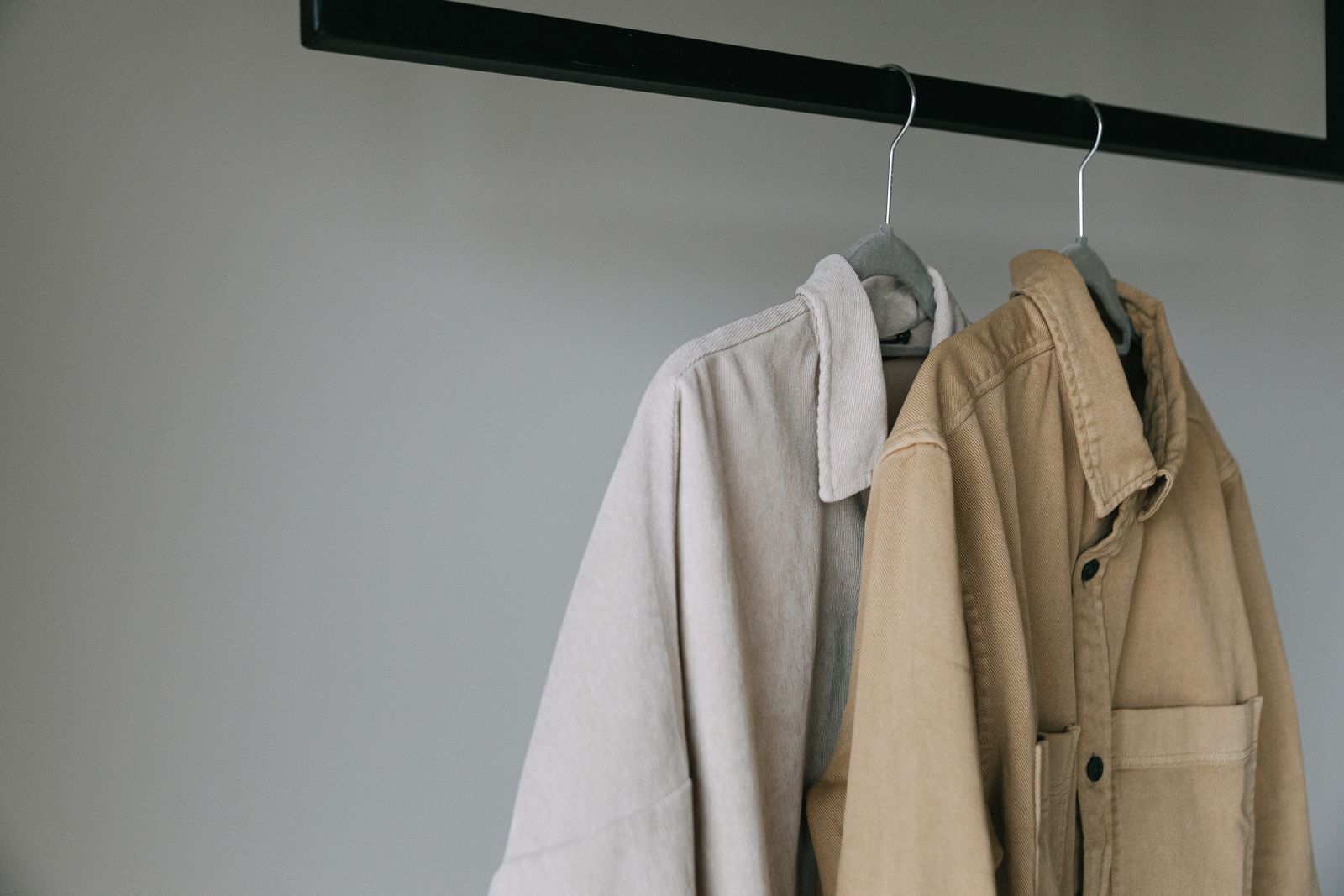
Seasonal Styling Without Rebuilding the Entire Wardrobe
A sophisticated wardrobe should be able to adapt between seasons. This does not mean replacing the entire collection several times a year. Instead, the same core tops can be styled differently.
In warmer weather, short-sleeve cotton and ribbed tops can be worn independently with lightweight bottoms. During transitional periods, the same pieces can be combined with cardigans, overshirts, or jackets.
When temperatures drop, long-sleeve basics can become foundational layers underneath knitwear and coats.
This approach increases the number of outfits available from the same garments and reduces unnecessary seasonal duplication.
Warm-Climate Considerations
In warm climates, fabric weight, airflow, and silhouette become particularly important. Lightweight tops can improve comfort, while relaxed shapes may allow easier movement.
Lighter colors can also contribute to a fresh visual appearance. White, cream, beige, soft blue, and other light shades can create a distinctly warm-weather aesthetic.
However, fabric should always be evaluated as a complete construction rather than according to fiber content alone. Weave, finishing, thickness, and garment shape all influence practical performance.
How to Build a Smart Color Rotation
A useful wardrobe color system can be divided into three levels: foundation neutrals, secondary neutrals, and accents.
Foundation neutrals may include black, white, cream, and navy. Secondary neutrals can include beige, taupe, gray, and brown. Accent colors can then provide individuality.
This system makes outfit planning easier because new tops have a greater chance of connecting with existing pieces.
For example, a muted green top may work with beige trousers, dark denim, cream skirts, and brown accessories. A burgundy top may work with black, navy, cream, and denim. The goal is to create multiple connections rather than a single attractive combination.
The Three-Outfit Test Before Buying
One of the most useful shopping habits is to create a three-outfit test. Before purchasing a top, mentally or physically combine it with at least three bottoms or layers already in the wardrobe.
If the top works with jeans, tailored trousers, and a skirt, it has strong versatility. If it works only with one specific pair of trousers, it may be a more specialized purchase.
This does not mean specialized garments are undesirable. Statement pieces can be valuable. The distinction is simply between buying intentionally and accumulating accidentally.
How to Select a Top for a Professional Setting
Professional environments vary significantly, so wardrobe choices should reflect the actual dress code rather than a universal definition of office style.
For more formal environments, structured blouses, button-up shirts, and refined neutral tops may be appropriate. For business-casual settings, a polished T-shirt combined with tailoring may be sufficient. Creative environments may offer greater freedom with color, texture, and silhouette.
Regardless of the environment, comfort remains important. A top that restricts movement or requires constant adjustment is unlikely to perform well throughout a long day.
From Office to Dinner: Making One Top Do More
Versatility becomes especially valuable when an outfit needs to transition from one activity to another. A polished blouse can often move from work to dinner simply by changing accessories, footwear, or outerwear.
A satin button-up can be worn with tailored trousers during the day and paired with darker bottoms and refined accessories later. A clean T-shirt can move in the opposite direction, beginning beneath a blazer and becoming more casual when the jacket is removed.
This ability to transform is one of the strongest reasons to prioritize versatile silhouettes.
Women’s Tops and Accessories
Accessories should support rather than compete with the top. A simple crew neck provides an excellent background for a necklace. A V-neck naturally creates an open area for delicate jewelry. A patterned blouse may require less additional visual detail.
Scarves can introduce texture and color, while belts can help define proportions. Structured handbags can elevate casual tops, and polished footwear can change the formality of an otherwise simple outfit.
Accessories therefore act as styling tools rather than merely decorative additions.
Travel Wardrobes and High-Utility Tops
Travel is an excellent test of wardrobe versatility because luggage space is limited. The strongest travel tops are usually lightweight, compatible with multiple bottoms, and suitable for layering.
A compact travel palette can include neutral T-shirts, one or two polished tops, a long-sleeve layer, and an accent piece. If the colors coordinate, the same garments can create multiple outfits.
Travelers should also consider destination climate, laundry access, wrinkle behavior, and the amount of walking or activity expected during the trip.
How Tops Interact With Bottom Proportions
The relationship between the top and bottom determines much of an outfit’s visual balance. Wide-leg trousers can pair beautifully with a fitted or neatly tucked top. Straight-leg trousers can accommodate either fitted or relaxed silhouettes.
Midi skirts can work with tucked T-shirts, fitted ribbed tops, or fluid blouses. Jeans offer even more flexibility, particularly when the top’s hem and volume are considered carefully.
These are styling guidelines rather than rigid rules. Personal preference should always take priority over formulas.
Minimalist Women’s Tops: Less Visual Noise, More Possibilities
Minimalism is often misunderstood as owning only plain garments. In reality, minimalist styling can include interesting fabrics, subtle textures, distinctive proportions, and carefully selected colors.
A minimalist tops collection might contain a classic cotton T-shirt, oversized crew-neck, ribbed short-sleeve top, long-sleeve basic, V-neck blouse, and satin button-up. The pieces are different enough to create variety while remaining visually compatible.
This approach makes it easier to create polished outfits without depending on excessive accessories or complicated layering.

Creating a Premium Look With Simple Tops
A sophisticated appearance does not require complicated garments. Often, premium-looking outfits depend on clean proportions, garment condition, color coordination, and thoughtful accessories.
A well-maintained neutral T-shirt can look highly polished when paired with tailored trousers and refined shoes. A simple blouse can appear more luxurious when its fabric drapes correctly and the rest of the outfit remains restrained.
Fit and maintenance frequently have more practical influence on appearance than decorative details.
Shopping for Quality and Long-Term Value
Price should not be the only consideration when evaluating a top. A more meaningful assessment considers how frequently the piece is likely to be worn, how many outfits it can create, how well the fabric performs, and how easy it is to maintain.
A frequently worn everyday top may justify greater investment than a highly specialized garment. At the same time, an expensive item does not automatically offer better value if the fit is wrong or the garment is difficult to wear.
Long-term wardrobe value comes from practical performance.
Garment Care: Protecting Your Tops
Proper care can significantly influence how long a top remains attractive and wearable. Always follow the care instructions provided with the garment, especially for delicate fabrics.
Different materials may require different washing methods. Delicate blouses may benefit from gentler treatment, while everyday cotton tops may tolerate more regular washing. Avoiding excessive heat when it is not recommended can help preserve fabric shape and appearance.
Storage also matters. Some lightweight garments can be hung, while knit fabrics may be better folded to avoid shoulder distortion. Delicate surfaces should be protected from rough hangers and sharp accessories that could cause snags.
Organizing Tops by Function
Organizing a wardrobe only by color can be visually appealing but may not always be the most practical. Consider organizing by function as well.
Everyday basics, professional blouses, layering pieces, occasion tops, statement garments, and seasonal pieces can each have a dedicated area or category. This makes it easier to identify gaps.
If the wardrobe contains fifteen casual T-shirts but very few polished tops, future shopping can be directed toward the missing category instead of adding another similar basic.
How to Avoid Buying the Same Top Repeatedly
Wardrobe duplication is one of the most common reasons closets become crowded. A shopper may repeatedly purchase similar black tops, white T-shirts, or neutral blouses because those pieces feel safe.
There is nothing wrong with owning multiples of a highly useful basic, especially when it is worn frequently. The issue occurs when similar garments accumulate without a practical reason.
Before buying, compare the new top with existing pieces. If the difference is only a minor variation in color or neckline, ask whether the new garment creates enough additional value.

A Practical Weekly Tops Rotation
One way to evaluate the usefulness of a wardrobe is to imagine a realistic weekly rotation. The purpose is not to create a rigid schedule but to see whether the available pieces offer enough functional diversity.
| Day | Top Category | Possible Styling Direction |
|---|---|---|
| Monday | Classic neutral T-shirt | Tailored trousers and structured jacket |
| Tuesday | Ribbed short-sleeve top | Denim and lightweight cardigan |
| Wednesday | V-neck blouse | Wide-leg trousers and minimal jewelry |
| Thursday | Long-sleeve basic | Midi skirt and tailored outer layer |
| Friday | Satin button-up | Dark denim and refined accessories |
How to Make a Small Tops Collection Feel Larger
The answer is combination. If one top works with several bottoms, jackets, and accessories, it effectively becomes several different outfits.
Color coordination multiplies this effect. Neutral tops provide a strong base, while different textures and silhouettes prevent the wardrobe from feeling repetitive.
For example, a cream T-shirt, cream ribbed top, and cream satin blouse can all share a similar color while producing three distinct visual effects. The wardrobe therefore gains variety without requiring a large number of unrelated colors.
When to Choose a Statement Top
Statement tops have an important role in personal style. They can introduce dramatic color, distinctive texture, unusual sleeves, embroidery, or a memorable print.
The key is to treat them as intentional accents. A statement piece does not need to be highly versatile if its purpose is to create a particular look. However, the wardrobe should contain enough supporting basics to make the statement garment easy to style.
A useful balance is to let foundations perform most of the practical work while statement pieces provide occasional visual variety.
Common Mistakes in Women’s Tops Shopping
Buying Only According to Trend
Trends can be useful sources of inspiration, but a trendy silhouette may not necessarily fit an individual wardrobe or lifestyle. Consider whether the piece can be worn after the trend becomes less prominent.
Ignoring the Existing Wardrobe
A top that requires several additional purchases before it can be worn may not be the most practical addition.
Choosing Fabric Without Considering Care
Delicate materials can be beautiful, but their maintenance requirements should match the wearer’s routine.
Buying Too Many Similar Basics
Multiple versions of the same silhouette can create quantity without meaningful variety.
Ignoring Proportion
Oversized garments, wide-leg trousers, cropped pieces, and long hems should be considered together rather than independently.
Five Questions to Ask Before Purchasing a Top
Does the silhouette fit the wardrobe?
Determine whether the garment is fitted, relaxed, or oversized and identify which existing bottoms can balance its proportions.
Can it create at least three outfits?
Try pairing it mentally with several existing trousers, jeans, skirts, jackets, or accessories.
Does the fabric suit the climate?
Consider breathability, warmth, weight, and comfort in the conditions where the garment will actually be worn.
Does the color connect with existing pieces?
Look for at least several existing colors that can support the new top rather than creating a single isolated combination.
Does it add a genuinely useful difference?
Ask whether the new piece contributes a new silhouette, texture, function, occasion, or color rather than simply duplicating what is already owned.
Frequently Asked Questions About Women’s Tops
What are the most versatile women’s tops?
Classic T-shirts, ribbed tops, long-sleeve basics, polished blouses, and button-up styles are among the most adaptable categories. The ideal combination depends on lifestyle, climate, workplace, and personal preferences.
How many tops should a capsule wardrobe have?
There is no universal number. The correct quantity depends on laundry frequency, lifestyle, work requirements, climate, and how often different categories are worn. A useful capsule is defined by functionality rather than an arbitrary number.
Are neutral tops more useful than colorful tops?
Neutral tops generally provide more combination opportunities, while colorful tops can add personality and variation. A balanced collection can use neutrals as the foundation and accent colors for visual interest.
Can oversized tops look elegant?
Yes. Elegance depends on the relationship between fit, fabric, proportion, and styling. An oversized top can look intentional when paired with controlled proportions and well-maintained supporting pieces.
How can a simple T-shirt become suitable for smart-casual dressing?
Pair it with tailored trousers, a structured blazer, refined footwear, and restrained accessories. The condition and fit of the T-shirt also matter significantly.
How can a blouse be styled casually?
Combine it with denim, relaxed trousers, casual footwear, or a lightweight jacket. Slightly relaxed sleeves and understated accessories can also reduce formality.
What makes a long-sleeve top versatile?
A useful long-sleeve top can be worn independently while also fitting comfortably underneath jackets, cardigans, vests, and coats. A practical neckline and manageable fabric weight increase its usefulness.
Building a Wardrobe From the Ground Up
Someone starting from scratch does not need to purchase every category simultaneously. Begin with dependable foundations. A classic neutral T-shirt can establish an everyday base. An alternative relaxed silhouette can introduce a different proportion. A ribbed top adds texture. A long-sleeve basic provides layering flexibility.
After the foundation is established, introduce a polished blouse for professional and social occasions. Then add an elevated button-up or satin option. Accent colors and distinctive patterns should come later, once the basic wardrobe is capable of supporting them.
This sequence reduces the risk of building a wardrobe full of statement pieces that lack practical supporting garments.
Smart Styling Principles for Everyday Use
- Balance volume: pair large tops with more controlled bottoms when appropriate.
- Repeat colors: let a color appear subtly in another part of the outfit.
- Mix textures: combine smooth, ribbed, woven, or structured surfaces.
- Use layers: allow one top to perform across several seasons.
- Consider the hem: determine whether the garment works best tucked, untucked, or partially tucked.
- Prioritize comfort: clothing that feels comfortable is more likely to be worn frequently.
- Maintain condition: clean, well-cared-for garments contribute to a polished appearance.
How to Create a Refined Minimalist Tops Collection
A refined minimalist collection can be surprisingly compact. The focus should be on garments that offer different functions without creating visual chaos.
A possible foundation includes a classic cotton tee, an oversized crew neck, a ribbed short sleeve, a long-sleeve basic, a V-neck blouse, and a satin button-up. From there, the wardrobe can be expanded according to specific lifestyle requirements.
The strength of this approach comes from compatibility. Each garment is different enough to create variation but simple enough to combine with the others.
Researching Broader Women’s Clothing Categories
Once the core wardrobe strategy is clear, browsing Women Clothing Brands can be useful for exploring additional silhouettes, fabrics, and style directions.
The important point is to maintain a clear purchasing framework. Instead of asking which garment is most attractive in isolation, consider whether it strengthens the wardrobe that already exists.
Long-Term Wardrobe Planning
A wardrobe should evolve gradually. Personal style changes, professional circumstances change, seasons change, and practical needs change. This means that wardrobe planning should remain flexible.
Review the collection periodically. Identify garments that are worn constantly, pieces that are rarely selected, and categories that seem to be missing. Use that information to guide future purchases.
When a heavily used basic becomes worn, replacing it with a similar high-performing garment makes sense. When an item remains untouched for months despite repeated opportunities to wear it, it may be worth reconsidering whether it genuinely belongs in the wardrobe.
For everyday foundations, a Women’s Classic Cotton T-Shirt remains a practical category because it can support casual, layered, and smart-casual outfits.
How to Evaluate a Wardrobe After Shopping
After adding several new tops, do not immediately assume that the wardrobe has improved simply because it contains more garments. Evaluate the combinations.
Lay out several tops and bottoms together. Look for repeated colors, compatible silhouettes, and missing categories. If the same three tops continue to dominate every outfit, the wardrobe may have quantity without enough functional diversity.
Another useful measure is wear frequency. Garments that are consistently chosen provide evidence about actual preferences. Future purchases can then be guided by real behavior rather than theoretical style goals.
The Role of Comfort in Sustainable Wardrobe Use
Comfort is not the opposite of elegance. A garment that fits correctly, allows movement, and feels appropriate for the climate is more likely to become a wardrobe favorite.
When people repeatedly avoid certain garments because they feel restrictive, hot, itchy, difficult to layer, or impractical to maintain, those garments are effectively taking up wardrobe space without contributing meaningful value.
This is why comfort should be treated as a practical wardrobe criterion rather than an optional luxury.
Why Versatility Often Beats Quantity
A wardrobe containing twenty tops may provide fewer useful outfits than a carefully selected collection of ten. The difference is compatibility.
If every top works with only one bottom, the wardrobe remains restrictive. If each top can work with several bottoms and layers, the number of combinations increases rapidly.
This is why professional wardrobe planning focuses on relationships between garments. The objective is not simply to collect attractive individual pieces but to create a system in which each piece supports the others.

A Complete Women’s Tops Shopping Checklist
- Does the fit match the intended silhouette?
- Is the fabric appropriate for the climate?
- Can the garment be worn with several existing bottoms?
- Does the color connect with the existing palette?
- Can it be layered comfortably?
- Does the neckline work with preferred accessories?
- Is the care routine realistic?
- Does the garment add a new function?
- Will it work for the occasions in your actual lifestyle?
- Does it duplicate something already owned?
Creating More Outfits With Fewer Pieces
The concept of outfit multiplication is simple. A single top paired with several bottoms already creates multiple combinations. Add jackets, accessories, and different footwear and the number increases again.
For example, a neutral top can be worn with dark denim for a casual look, tailored trousers for work, a midi skirt for a feminine outfit, and wide-leg trousers for a modern silhouette. The top itself has not changed. The surrounding pieces change its context.
This is why the most successful wardrobes often contain highly adaptable foundations.
The Importance of Personal Style
Wardrobe strategy should support personal expression rather than eliminate it. A practical collection can still contain favorite colors, distinctive shapes, unusual details, or statement pieces.
The goal is simply to understand the role of each garment. A dramatic top can be a statement piece. A white T-shirt can be a foundation. A satin blouse can be an evening bridge. A ribbed top can provide texture. A long-sleeve basic can provide layering.
Once every piece has a clear role, the wardrobe becomes easier to use.
Final Professional Recommendations for Building a Tops Collection
Start with the pieces you genuinely wear. Identify the silhouettes that feel comfortable and the colors that naturally coordinate with your existing wardrobe. Build a foundation of dependable basics before adding specialized garments.
Use texture to create variety. Use layering to extend seasonal usefulness. Use accessories to change the character of simple garments. Choose fabrics according to lifestyle rather than appearance alone. Consider care requirements before purchasing delicate pieces.
Most importantly, evaluate garments as part of a complete wardrobe system.
A useful Women’s Oversized Crew Neck T-Shirt can provide a relaxed alternative to fitted basics, while a Women’s Ribbed Short Sleeve Top can bring texture into an otherwise simple collection.
A dependable Women’s Long Sleeve Basic Top can extend the wardrobe into transitional seasons, while a Women’s V-Neck Blouse can provide a polished alternative for professional and social styling.
For elevated occasions, a Women’s Satin Button-Up Blouse can add smooth texture and a more sophisticated visual finish.
The Complete Wardrobe Blueprint
When all of these principles are combined, a powerful wardrobe structure begins to emerge. The foundation consists of neutral everyday tops. The middle layer introduces different proportions and textures. The polished section covers workwear and social occasions. The accent section introduces personality.
This structure prevents the wardrobe from becoming either too basic or too complicated. It also allows future purchases to be evaluated more clearly. If the foundation is already strong, the next addition may be a distinctive blouse rather than another identical T-shirt.
Over time, this approach creates a collection that feels increasingly personal while becoming more efficient to use.
Frequently Asked Questions: Practical Wardrobe Decisions
Should every top be neutral?
No. Neutrals are useful because they coordinate easily, but accent colors and patterns can make a wardrobe more expressive. The ideal balance depends on personal style.
Is an expensive top automatically better?
Not necessarily. Wardrobe value depends on fit, fabric, construction, comfort, versatility, durability, and frequency of use rather than price alone.
How can I make old tops feel new?
Change the surrounding pieces. Try a different jacket, tuck, belt, necklace, trousers, skirt, or footwear. Layering can also completely change the visual effect.
How often should a wardrobe be reviewed?
A seasonal or periodic review can be useful. The objective is to identify what is actually being worn, what is missing, and what has become redundant.
What is the most important thing to consider when buying a top?
The strongest consideration is whether the garment genuinely fits the wearer’s lifestyle and wardrobe. A beautiful top that remains unworn provides less practical value than a simple piece that becomes a weekly favorite.
Conclusion: Build a Wardrobe That Works Every Day
The ideal women’s tops collection is not defined by the number of garments hanging in a closet. It is defined by how effectively those garments work together.
A strong collection combines dependable foundations with varied silhouettes, useful textures, coordinated colors, practical layering options, and a small number of elevated pieces. It considers climate, comfort, professional requirements, social occasions, and personal style.
The most effective strategy is to begin with versatile essentials, then build outward. Classic T-shirts establish the foundation. Oversized silhouettes introduce contemporary proportions. Ribbed tops add texture. Long-sleeve basics provide layering potential. V-neck blouses introduce polish. Satin button-ups bring an elevated finish.
When every garment has a clear role, getting dressed becomes easier. Shopping becomes more intentional. Existing clothing becomes more valuable because it can be combined in more ways.
The result is not simply a fuller wardrobe. It is a smarter one: a collection of women’s tops designed to support real life, provide dependable styling options, and maintain an elegant sense of personal identity across everyday occasions and changing seasons.
Comments
Post a Comment