Luxury Hotels & Resorts in France: A Complete Guide to Elegant Stays in Paris, Nice, Lyon and Marseille
Understanding the French Hotel Experience
France offers an exceptionally broad accommodation landscape, allowing travelers to choose between historic city properties, contemporary boutique hotels, elegant coastal resorts, countryside retreats and practical accommodation designed around efficient sightseeing. The character of a hotel can change dramatically from one region to another, which makes choosing accommodation an important part of planning a French journey rather than simply selecting a place to sleep.
For travelers comparing Hotels & Resorts in France, location, room design, transport connections, available facilities and the overall rhythm of the destination can all influence the experience. Paris tends to reward travelers who prioritize central access and neighborhood atmosphere, while Nice offers a very different combination of Mediterranean light, relaxed coastal surroundings and urban convenience.
Lyon provides another perspective, with accommodation that can combine modern comfort and historic architecture. Marseille brings a more Mediterranean character, with properties ranging from stylish city hotels to accommodations positioned close to the waterfront. The diversity means there is no single definition of a perfect French hotel; the most appropriate choice depends on the purpose of the trip, the preferred pace and the type of room environment desired.
Hotel Specifications, Functions and Key Features
| Specification | Function | Key Features | Best Suited For |
|---|---|---|---|
| Central City Hotel | Provides convenient access to urban attractions and transport. | Strategic location, reception services, comfortable rooms, Wi-Fi. | City breaks, business trips and sightseeing. |
| Luxury Boutique Hotel | Creates a more intimate and design-focused accommodation experience. | Distinctive interiors, personalized service and carefully designed rooms. | Couples, design enthusiasts and special occasions. |
| Coastal Hotel | Combines accommodation with access to seaside surroundings. | Natural light, balconies or terraces, relaxing common areas and coastal views. | Leisure holidays and Mediterranean escapes. |
| Family-Friendly Hotel | Supports travelers who require practical space and flexible facilities. | Room configurations, convenient access and useful guest services. | Families and longer stays. |
| Business Hotel | Designed around productivity and efficient travel. | Workspaces, reliable connectivity, transport access and quiet rooms. | Corporate and professional travelers. |
| Resort-Style Property | Encourages guests to spend more time within the property. | Wellness areas, leisure facilities, spacious accommodation and landscaped spaces. | Relaxation-focused vacations. |
The specifications above provide a practical framework for comparing accommodation. Instead of relying only on a star category, travelers can assess how the hotel's function matches their itinerary. A centrally located property may reduce daily transportation time, while a resort-style property may be more valuable when the accommodation itself is part of the holiday experience.
Room specifications also deserve careful attention. A room can look impressive in photographs yet feel less appropriate if the traveler needs a dedicated workspace, additional storage, a larger bathroom or a quiet sleeping environment. Checking room dimensions, bed configuration, window orientation and included facilities before booking can help create a more predictable stay.
Choosing a Hotel in Paris
A Hotel in Paris can place travelers close to historic monuments, museums, shopping streets, business districts, restaurants and major transportation routes. Because Paris is made up of distinctive neighborhoods, choosing the area can be almost as important as choosing the property itself.
Travelers interested in museums and classic landmarks may prefer an area that provides convenient access to the central cultural districts. Those looking for a more residential atmosphere may appreciate streets where cafés, local shops and quieter surroundings shape the daily experience. Business travelers may place greater emphasis on transportation connections and predictable travel times between the hotel and meetings.
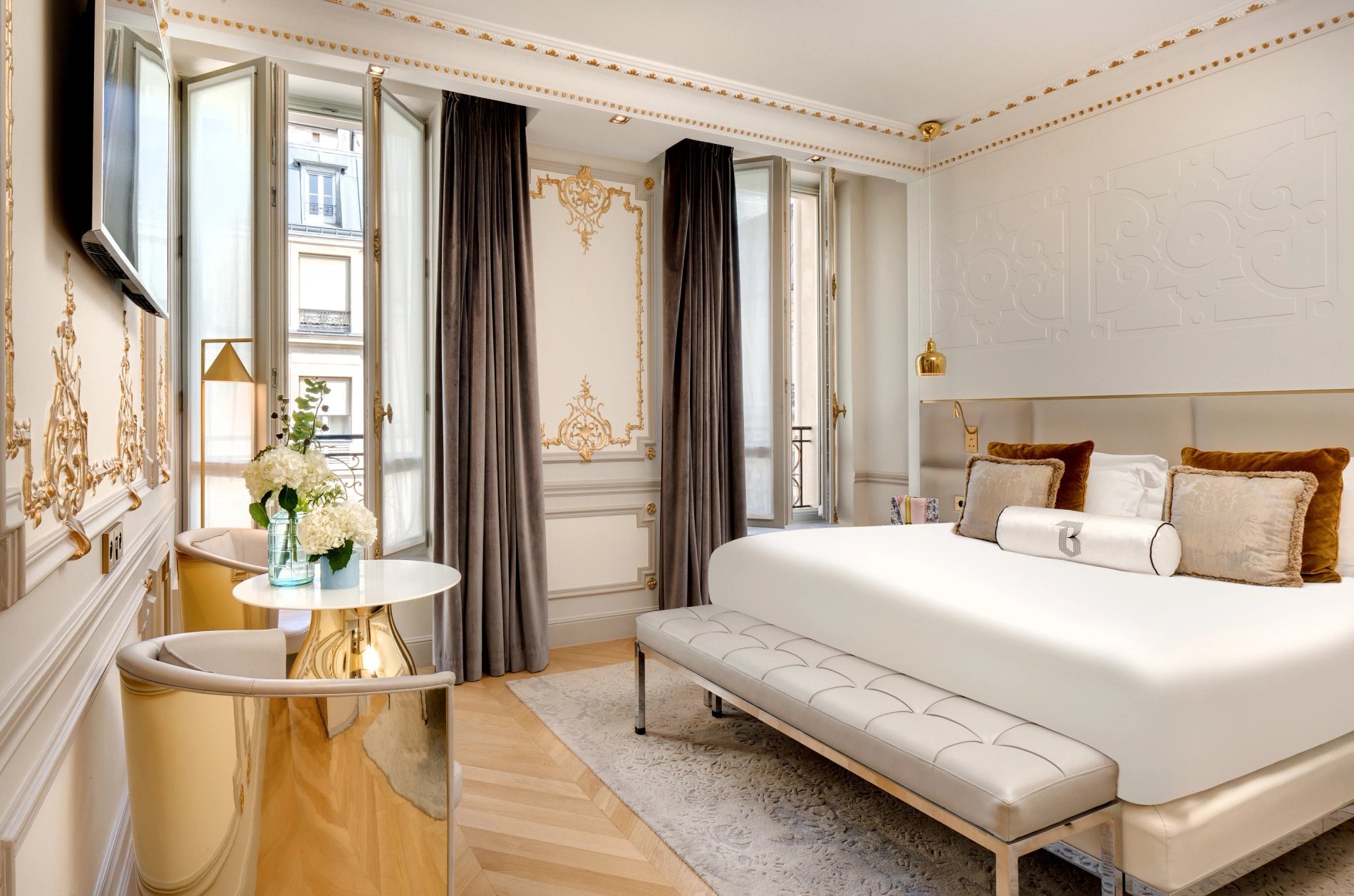
Room style is another major factor. Traditional Parisian hotels may emphasize decorative molding, patterned fabrics, warm lighting and classic furniture. Contemporary properties often use clean lines, neutral colors and carefully selected materials. Neither approach is inherently better; the right choice depends on the atmosphere the traveler wants to experience after a full day in the city.
What to Look for in a Paris Hotel Room
- Comfortable sleeping arrangements and quality bedding.
- Efficient use of available space.
- Good natural lighting where possible.
- Convenient charging points for modern devices.
- A practical bathroom layout.
- Storage for clothing and luggage.
- Reliable internet connectivity.
- Quiet conditions appropriate for restful nights.
Paris accommodation can also work as a strategic base for exploring the wider region. Travelers who intend to take day trips should consider access to major rail stations or road connections. Those planning to explore beyond the central city may also compare Car rentals in Paris as part of their overall transportation strategy.

The ideal Paris hotel should complement the itinerary rather than compete with it. If most days are spent visiting museums and landmarks, a practical central location may provide greater value than a larger room farther away. Conversely, travelers planning a slower trip may appreciate a spacious room, attractive interior and comfortable common areas.
Hotel Design and the Importance of the Guest Room
The guest room is one of the most important elements of the hotel experience because it is where travelers recover between activities. Thoughtful hotel design is not simply about decoration. It combines lighting, furniture placement, materials, acoustics, temperature control and storage into a functional environment.
A well-designed room should make ordinary actions easy. Luggage should have a logical place, bedside lighting should be accessible, outlets should be conveniently positioned and the bathroom should provide enough room for everyday routines. These details can have a surprisingly strong impact on the perceived quality of a stay.
Luxury does not necessarily require excessive decoration. Many contemporary properties create an upscale atmosphere through carefully selected materials, generous proportions, natural light and visual simplicity. Others use traditional architectural details to create a strong sense of place. In France, both approaches can work beautifully because hotel design often draws inspiration from local architecture and cultural heritage.
Lighting
Layered lighting can make a room adaptable for reading, working, relaxing and preparing for the evening.
Materials
Wood, stone, fabric, metal and glass can create different visual and tactile experiences when used thoughtfully.
Furniture
Functional furniture helps guests use the room efficiently without making the space feel crowded.
Color
Neutral palettes can promote calmness, while carefully selected accent colors can add personality.
Travelers comparing a Hotel should therefore look beyond the headline category and examine the actual room features. Photos, room descriptions and floor plans can provide useful clues about the experience, particularly for travelers who have specific space or accessibility requirements.
Discovering Hotels in Nice
A Hotel in Nice offers a distinctly different atmosphere from a Paris property. Nice combines Mediterranean surroundings, historic urban areas, elegant architecture and a relaxed coastal rhythm. Accommodation can therefore range from compact city rooms to spacious properties designed around terraces, natural light and views.
Location is particularly important in Nice because different parts of the city can create very different experiences. Travelers who want to spend substantial time near the waterfront may prioritize walkability toward the coast. Those more interested in historic streets and local atmosphere may prefer accommodation closer to the old city. Visitors using Nice as a base for regional exploration may prioritize transportation access instead.
Room orientation can also matter. A room facing a lively street may provide a stronger sense of the city but can have different noise characteristics from a room facing an internal courtyard. Travelers who prioritize rest should consider this when reviewing room categories.

Nice is also a useful base for exploring the French Riviera. Travelers may combine city sightseeing with visits to nearby coastal destinations, scenic viewpoints and historic towns. For itineraries that include several locations, comparing Car rentals in Nice can make it easier to evaluate independent transportation options.
Features That Can Improve a Nice Stay
Natural light is often highly valued in coastal destinations. Large windows, balconies and outdoor seating can make a meaningful difference, particularly for guests who plan to spend time relaxing at the property. A comfortable bed, efficient climate control and a well-designed bathroom remain essential regardless of location.
For longer stays, storage and room layout become increasingly important. A compact room can be perfectly comfortable for a short city break but may feel restrictive after several days. Travelers staying for a week or more should compare room categories carefully and consider whether an upgraded layout could improve everyday convenience.
Hotels in Lyon for Business and Leisure
Hotels in Lyon provide access to a city known for its architectural heritage, culinary culture, business activity and attractive historic districts. Lyon can appeal to both leisure and professional travelers because the city combines an active urban environment with areas that offer a slower atmosphere.
Business travelers may prioritize hotels with efficient check-in, dependable connectivity, suitable workspaces and convenient access to transportation. A room that provides a proper desk and comfortable chair can make a noticeable difference for guests who need to work before or after meetings.
Leisure travelers may instead emphasize neighborhood character. A hotel close to historic streets can allow guests to explore on foot, while a contemporary property in another district may offer larger rooms and modern facilities. The best selection depends on how the hotel fits into the daily route.
Lyon can also be a practical destination for travelers who enjoy combining city exploration with regional excursions. A thoughtfully selected hotel can become a convenient starting point for exploring the surrounding area while still providing a comfortable urban base at the end of the day.
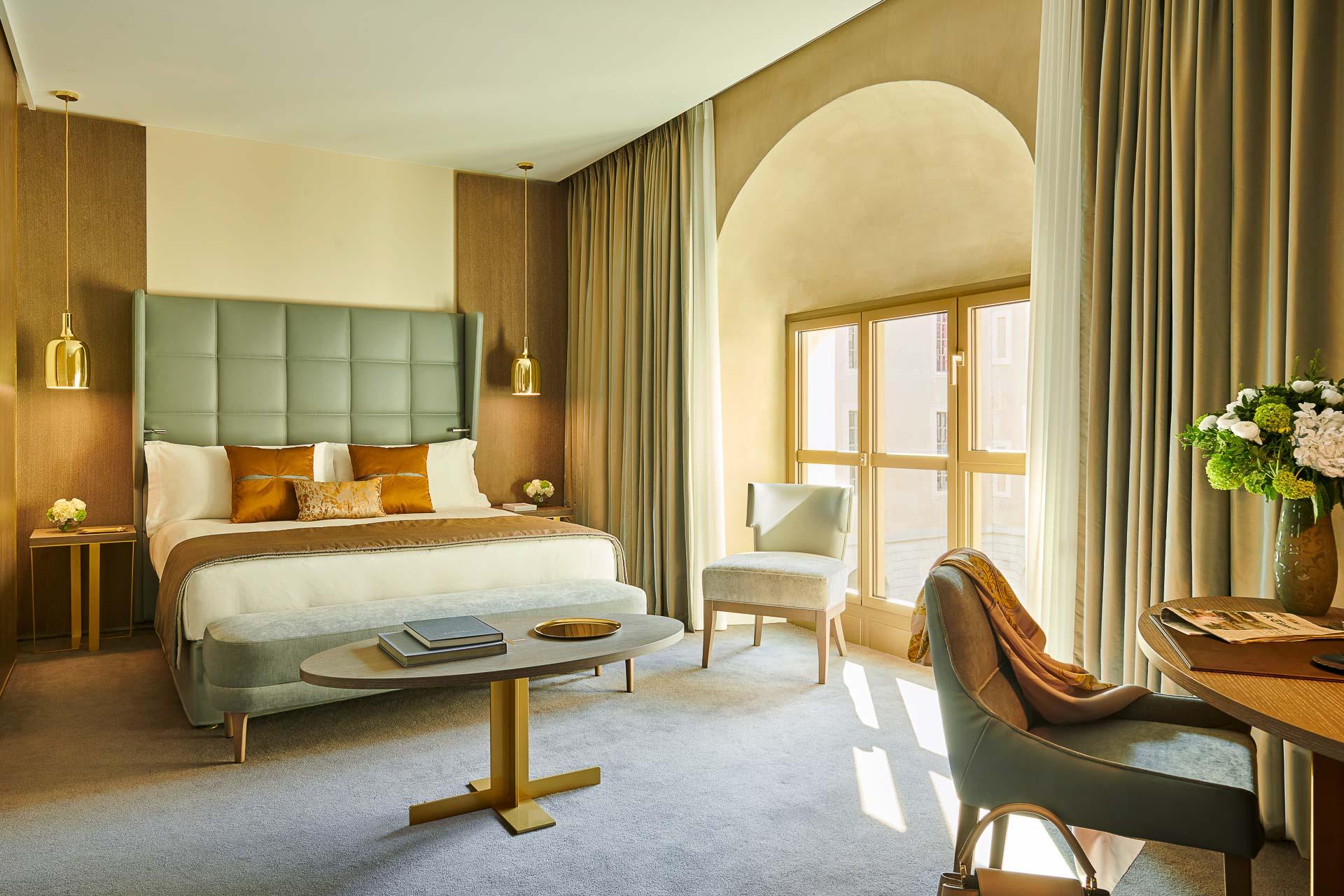
Room design in Lyon frequently benefits from the city's ability to blend historical character and contemporary interiors. Travelers may encounter properties where traditional architectural elements are paired with modern lighting, minimalist furniture and carefully selected fabrics. This combination creates a distinctive sense of place without sacrificing modern functionality.
Important Lyon Hotel Considerations
- Distance from the main attractions on your itinerary.
- Access to public transportation.
- Availability of a practical workspace.
- Room size and storage capacity.
- Breakfast arrangements and dining flexibility.
- Reception hours and check-in convenience.
- Sound insulation and sleeping comfort.
Hotels in Marseille and the Mediterranean Atmosphere
Hotels in Marseille can provide a memorable combination of city energy, Mediterranean character and access to coastal surroundings. Accommodation in Marseille ranges from modern urban properties to stylish hotels where the design reflects the colors, textures and light of southern France.
Travelers choosing accommodation in Marseille should think carefully about whether they want to be close to the waterfront, historic districts, transport connections or quieter residential areas. Each location can influence the rhythm of the trip.
A waterfront-oriented stay may appeal to travelers who value views and easy access to coastal walks. A central city location can be more convenient for visitors whose itinerary includes several urban attractions. Travelers using Marseille as a base for wider regional exploration may place greater importance on road access and parking.
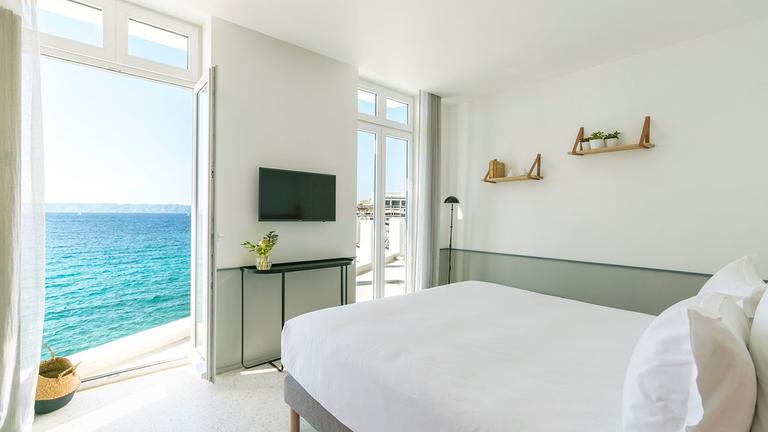
Room design can be particularly effective in Marseille when it uses natural light and restrained colors. White bedding, pale wood, soft neutral textiles and large windows can create a fresh atmosphere that complements the surrounding coastal environment.
For travelers planning a longer stay, practical amenities become increasingly important. A comfortable seating area, sufficient wardrobe space, efficient climate control and a functional bathroom can turn an attractive room into a genuinely convenient base.
Marseille Room Selection Strategy
When comparing rooms, look carefully at the difference between standard, superior and suite categories. The most expensive option is not always necessary, but a modest upgrade can sometimes provide a meaningful improvement in floor space, natural light or seating. Travelers should compare the actual features rather than choosing based solely on the room name.
Planning Transportation Around French Hotels
Accommodation and transportation should be planned together. A hotel that appears inexpensive may become less convenient if it requires long daily transfers, while a slightly more centrally located room can reduce transportation time and make the overall itinerary easier to manage.
Paris is well suited to travelers who prefer to rely heavily on public transportation and walking. However, a car can become useful for journeys beyond the city center. Travelers considering Car rentals in Paris should consider where the vehicle will be collected, where it will be parked and whether the planned itinerary genuinely benefits from driving.
For broader itineraries, Car rentals in France can be considered when multiple destinations are included. Road travel may offer greater flexibility for travelers who want to move between cities or explore locations where public transportation is less convenient.
Nice can also serve as a strong starting point for regional road trips. Visitors comparing Car rentals in Nice may find the option useful when the itinerary includes multiple coastal or inland stops.
Arriving Through Paris Charles de Gaulle Airport
For international visitors arriving in the French capital, flight planning is an important part of the hotel selection process. Comparing Flights to Paris Charles de Gaulle Airport (CDG) can help travelers coordinate arrival times with hotel check-in windows and transportation arrangements.
Arrival time can affect the first day significantly. A late arrival may make a hotel with simple transportation access particularly attractive, while an early arrival can make luggage storage and flexible check-in policies more important.
Travelers should also consider the return journey when selecting accommodation. A hotel that works perfectly for sightseeing may be less convenient if the final departure requires an early airport transfer. Building airport logistics into the accommodation decision can reduce unnecessary stress.
How to Compare Hotel Rooms Before Booking
Hotel photographs can create a strong first impression, but travelers should combine visual appeal with practical information. Look for the room's approximate size, bed type, bathroom arrangement, view description and included facilities. If several room categories look visually similar, the written specifications can reveal the differences.
Another important factor is whether the room description reflects the actual configuration or uses representative photography. Some properties have many rooms within the same category, and individual views or layouts can vary. Reading the terms carefully can help set realistic expectations.
Travelers should also distinguish between included services and optional services. Breakfast, parking, transfers, additional beds, late check-out and other facilities may have separate conditions. Understanding these details before arrival can make the total cost easier to estimate.
Room Size
Compare square meters rather than relying only on room category names.
Bed Configuration
Check whether the room includes a king, queen, twin or another arrangement.
View
Determine whether the room overlooks a street, courtyard, garden, cityscape or coastline.
Bathroom
Review shower, bathtub, vanity and overall bathroom configuration.
For couples, visual atmosphere and privacy may be important. Families may focus more heavily on room configuration and storage. Business travelers may prioritize a desk and strong connectivity. Solo travelers may place greater emphasis on location and overall convenience.
These differences explain why hotel selection should be personalized to the itinerary. A room that is ideal for one type of traveler may be less suitable for another even if both travelers have similar budgets.
French Hotel Styles: Classic, Contemporary and Boutique
One of the most attractive aspects of staying in France is the variety of hotel interiors. Classic properties often emphasize architectural details, decorative ceilings, traditional furniture and elegant fabrics. Contemporary hotels may instead use clean geometry, restrained palettes and modern lighting.
Boutique hotels typically focus on personality. Rather than creating identical rooms, they may use distinctive colors, local references and custom furniture to create a stronger visual identity. For travelers who value memorable surroundings, this can be an important consideration.
Contemporary design can also provide practical benefits. Open layouts, integrated storage, efficient lighting and multifunctional furniture can help smaller rooms feel more usable. Classic design, meanwhile, can provide a sense of heritage and connection to the building's architecture.

When choosing between styles, consider how you want the room to feel after a busy day. A traveler who wants a visually dramatic environment may enjoy an ornate interior, while someone who values calmness may prefer neutral colors and uncluttered spaces.
France's hotel market offers enough variety to make this choice highly personal. Paris, Nice, Lyon and Marseille each provide opportunities to experience different interpretations of French hospitality while maintaining modern expectations for comfort and convenience.
Hotel Amenities That Add Practical Value
Amenities should be evaluated according to how they support the actual trip. A traveler who spends most of the day outside may not need extensive facilities, while someone planning a slower vacation may value wellness areas, lounges, terraces or spacious common spaces.
Reliable Wi-Fi is increasingly important for almost every category of traveler. Business guests need connectivity for professional tasks, while leisure travelers use it for maps, reservations, communication and itinerary planning.
Air conditioning and heating are also worth checking according to the season. France experiences substantial differences in climate across regions, and comfortable temperature control can have a direct effect on sleep quality.
Other useful amenities can include luggage storage, reception assistance, elevators, accessible rooms, laundry services and breakfast arrangements. Travelers should focus on amenities that solve actual needs rather than selecting a property based on a long list of facilities that may never be used.
Useful Amenities for Different Travelers
| Traveler Type | Priority Amenities | Useful Room Features |
|---|---|---|
| Business Traveler | Wi-Fi, workspace, transport access | Desk, comfortable chair, charging points |
| Couple | Atmosphere, privacy, convenient location | Comfortable bed, attractive lighting, spacious bathroom |
| Family | Flexible room options and practical services | Storage, suitable bed configuration, larger layout |
| Solo Traveler | Location, security and easy transportation | Efficient layout, workspace and comfortable seating |
| Long-Stay Guest | Laundry, storage and convenient facilities | Larger room, seating area and practical storage |
Building a Multi-City France Itinerary
Travelers who want to experience several French cities can build an itinerary around different hotel environments. Paris can provide a major urban and cultural starting point, Nice can introduce the Mediterranean atmosphere, Lyon can add historical and culinary depth, and Marseille can provide a southern coastal perspective.
Rather than selecting identical hotels in every destination, travelers can use accommodation to complement each city's character. A classic Paris property might emphasize heritage, a Nice hotel might prioritize light and outdoor space, a Lyon property might combine history with contemporary design, and a Marseille hotel might highlight coastal simplicity.
Travel time should be considered when arranging the sequence. The most efficient itinerary is often the one that avoids unnecessary backtracking. Transportation options, arrival times and hotel check-in schedules should all be reviewed together.
- Define the cities that are essential to the itinerary.
- Estimate the number of nights required in each destination.
- Compare hotels based on location rather than price alone.
- Review transportation between each city.
- Check arrival and departure times.
- Reserve appropriate room categories according to trip length.
- Consider rental transportation only when it provides practical value.
A multi-city journey can also benefit from mixing accommodation categories. Travelers may choose a compact central hotel in one city and a larger room in another destination where they plan to spend more time at the property.
This approach creates a more varied journey while keeping the accommodation budget aligned with the actual use of each hotel.
Luxury Without Sacrificing Practicality
Luxury accommodation is often associated with impressive interiors, premium materials and attentive service, but practical design remains fundamental. A beautiful room that lacks storage, comfortable seating or convenient lighting can become frustrating over several nights.
The most effective luxury hotels often combine visual refinement with functional simplicity. Furniture has a purpose, lighting can be adjusted, bathrooms are thoughtfully organized and technology is integrated without overwhelming the room.
Location is another dimension of practical luxury. Saving significant travel time every day can be more valuable than having a larger room. A centrally positioned hotel can allow guests to return during the afternoon, change plans easily and explore without constantly calculating transportation.
For this reason, travelers should calculate value using the entire experience. Room quality, location, transportation, service, facilities and the number of nights all contribute to the real value of accommodation.
Hotel Booking Checklist for France
Before finalizing a hotel, a structured checklist can prevent common booking mistakes. Start by confirming the exact destination and neighborhood. Then review the room category, occupancy, bed configuration and cancellation conditions.
Next, consider arrival logistics. If arriving through Paris, compare Flights to Paris Charles de Gaulle Airport (CDG) with the hotel's check-in schedule. If arriving late, confirm whether the property offers appropriate reception arrangements.
For travelers driving, check parking availability before booking. A hotel with no suitable parking solution can become inconvenient in a busy city center. Those considering Car rentals in France should also compare pickup and return logistics with the overall itinerary.
- Confirm the exact hotel location.
- Check the distance to the main attractions you intend to visit.
- Review room dimensions and bed configuration.
- Check whether breakfast is included.
- Review cancellation and modification conditions.
- Confirm check-in and check-out times.
- Check parking arrangements if traveling by car.
- Review accessibility information when relevant.
- Confirm internet availability.
- Compare the total price rather than the headline nightly rate.
This checklist is especially useful when comparing multiple properties. It transforms the process from a purely visual decision into a structured comparison that considers the entire trip.
Why Location Often Matters More Than Room Size
Travelers sometimes focus heavily on room size while overlooking the impact of location. In a destination where most days involve sightseeing, a centrally positioned hotel can significantly reduce commuting time.
Paris is a strong example. The city offers many neighborhoods, each with its own atmosphere and transport characteristics. A hotel close to the places on your itinerary can allow more time for exploration and less time moving between distant points.
Nice provides a similar lesson. A property close to the areas you want to explore can make spontaneous walks easier. Lyon and Marseille also reward thoughtful neighborhood selection, especially when the itinerary includes both sightseeing and dining.
The correct balance depends on travel style. A guest who plans to spend most of the day inside the hotel may reasonably prioritize room size and facilities. Someone who intends to explore from morning until evening may gain more value from an efficient location.
For travelers who plan to explore beyond a single city, transportation options become part of the location decision. In some circumstances, comparing Car rentals in Nice or Car rentals in Paris can help determine whether a particular hotel is a convenient base.
Creating a Comfortable Hotel Routine
A successful hotel stay is not only about the first impression. Small routines can make the room more comfortable throughout the visit. Organizing luggage efficiently, using available storage and keeping work and relaxation areas separate can help even a compact room feel more functional.
Travelers staying several nights may want to unpack rather than living from a suitcase. This is one reason storage capacity matters. A room with a practical wardrobe can improve the experience considerably during longer stays.
Lighting also affects how a room functions. Bright overhead lighting can be useful when unpacking, while bedside or indirect lighting may be more comfortable in the evening. Travelers who work remotely should look for a suitable desk or table rather than assuming that a decorative table will be practical for extended work.
Noise is another consideration. Rooms facing busy streets can provide an energetic city atmosphere, but travelers who are sensitive to noise may prefer interior-facing rooms. When possible, review room location options before arrival.
These details demonstrate why a hotel room should be considered a temporary living environment rather than simply a sleeping space. Good accommodation supports the complete rhythm of the trip.
Comparing Paris, Nice, Lyon and Marseille Accommodation
Paris
Ideal for travelers focused on major cultural attractions, shopping, architecture, museums, business districts and classic urban experiences. Location and transportation access are particularly important.
Nice
Well suited to travelers seeking Mediterranean surroundings, coastal walks, historic neighborhoods and a relaxed city atmosphere. Natural light and outdoor space can be valuable features.
Lyon
A strong option for travelers interested in historic architecture, culinary experiences, business activity and a balanced urban environment.
Marseille
Appeals to travelers looking for Mediterranean character, waterfront surroundings, urban exploration and access to southern French landscapes.
Each city provides a different accommodation context. Instead of comparing them as if they were identical destinations, travelers can evaluate how each hotel category supports the planned activities.
Paris may place greater emphasis on efficient urban access. Nice may make views, balconies and coastal proximity more relevant. Lyon may reward travelers who appreciate architecture and central neighborhoods. Marseille may appeal to guests who want a southern atmosphere and access to the waterfront.
The key is to match the accommodation to the destination rather than searching for a universal definition of luxury.
Room Comfort, Sleep Quality and Everyday Convenience
Comfort is one of the most important reasons travelers choose a hotel instead of other forms of accommodation. The bed, pillows, room temperature, lighting and noise level all influence how effectively guests recover after a long day.
When comparing properties, travelers should consider the sleeping environment as a complete system. A premium mattress cannot compensate for excessive noise, poor temperature control or uncomfortable lighting. Likewise, a beautiful room may not deliver a satisfying stay if the bed configuration does not meet the traveler's needs.
Bathrooms are equally important. A well-designed bathroom should provide sufficient space, good lighting, convenient storage and a practical shower or bathtub arrangement. For longer stays, these details become part of the daily routine.
Natural light is another factor that can change the character of a room. Large windows can make a space feel larger and more welcoming. However, travelers who prioritize sleep should also examine the quality of curtains or window coverings.
The best room is therefore not necessarily the most decorated one. It is the room that supports the traveler's priorities from morning until bedtime.
Using Hotel Images as a Planning Tool
Hotel photography can help travelers understand design, room proportions, furniture placement and general atmosphere. Images should be viewed alongside written specifications because photographs naturally emphasize attractive features and may not communicate dimensions accurately.
Look for multiple images of the same room category whenever possible. Compare the bed position, windows, seating, storage and bathroom layout. This can provide a better understanding of how the space is organized.

Visual consistency is also useful when comparing different destinations. If you prefer bright rooms, natural materials and uncluttered interiors, those preferences can guide your selection across Paris, Nice, Lyon and Marseille.
Travelers should also make sure that images represent the selected room category rather than a higher-level suite. When in doubt, read the room description carefully and compare the stated facilities with the photographs.
Making a Hotel Decision Based on Trip Purpose
The purpose of the trip should influence nearly every accommodation decision. A business trip, romantic city break, family holiday and multi-city road journey each create different hotel requirements.
For business travel, efficient transportation and workspace can be more important than decorative features. For a romantic getaway, atmosphere, privacy and room design may carry more weight. Families may need flexible sleeping arrangements and additional space.
For a road trip, parking and access to major routes can become central considerations. Travelers exploring France by car may also need to think about where the vehicle can be collected and returned.
When flying into Paris, travelers can coordinate accommodation with Flights to Paris Charles de Gaulle Airport (CDG) and determine whether the hotel is practical for both arrival and departure.
This approach can make hotel selection faster and more objective. Instead of comparing dozens of unrelated features, travelers can concentrate on the elements that directly support their itinerary.
Frequently Asked Questions About Hotels in France
What should I consider when choosing a hotel in France?
Consider location, room size, transportation access, amenities, cancellation conditions, total cost and how well the property fits your itinerary.
Is a central hotel always the best option?
Not necessarily. A central location can reduce travel time, but a property farther away may offer more space or facilities. The right balance depends on your plans.
What makes a Paris hotel convenient?
Convenient transportation, proximity to planned attractions, comfortable rooms and practical check-in arrangements can all improve a Paris stay.
What should I look for in a Nice hotel?
Consider location, coastal access, room orientation, natural light, outdoor space and transportation options for exploring the region.
Are Lyon hotels suitable for business travel?
Many accommodation options can suit business travelers, particularly properties with reliable connectivity, workspaces and convenient transportation access.
What makes Marseille accommodation different?
Marseille properties can offer a strong Mediterranean atmosphere, with some accommodations emphasizing waterfront access, natural light and southern French design.
Should I rent a car in France?
A rental car can be useful for multi-city or regional journeys, but it may be unnecessary when staying primarily in cities with convenient public transportation.
Can I rent a car in Paris?
Yes. Travelers can compare Car rentals in Paris, while considering traffic, parking and whether the vehicle is actually needed.
Is Nice suitable as a base for a road trip?
Nice can be used as a starting point for regional exploration. Travelers should compare routes, parking and Car rentals in Nice when planning.
What is the most important room feature?
There is no universal answer. Bed comfort, room size, workspace, storage, lighting and bathroom layout can have different importance depending on the traveler.
Should I choose a boutique or traditional hotel?
Both can offer excellent experiences. Boutique hotels often emphasize individuality and design, while traditional properties may highlight architecture and heritage.
How can I compare hotels efficiently?
Create a shortlist based on location, room specifications, transportation, amenities and total cost, then compare only the properties that meet your essential requirements.
Final Hotel Selection Checklist
Before completing a reservation, review the hotel from the perspective of the entire journey. Confirm where you will arrive, how you will reach the property, what you plan to do nearby and how you will travel to the next destination.
Review the room carefully and make sure the selected category includes the facilities you need. Check the number of guests, bed arrangement, room size and bathroom configuration. If traveling with luggage for several days, storage can be particularly important.
For travelers moving between cities, consider whether the hotel makes the next journey easier. A property with convenient transportation access can save time even if another hotel appears slightly more attractive online.
Travelers who want a wider selection can begin by reviewing Hotels & Resorts in France, then narrow the search according to destination. Paris-focused travelers can explore a Hotel in Paris, while visitors heading to the Riviera can compare a Hotel in Nice.
Travelers planning a southern itinerary can compare Hotels in Marseille, while those visiting the Rhône-Alpes region can examine Hotels in Lyon.
Plan Your French Accommodation Around Your Journey
A well-selected hotel can make a French trip more comfortable, efficient and memorable. Compare destinations, room features, transportation options and travel dates together to create an accommodation plan that matches your priorities.
For broader accommodation searches, explore Hotel options and organize your travel plans around the cities you want to experience.
Whether the itinerary centers on Paris architecture, Nice's Mediterranean setting, Lyon's historic atmosphere or Marseille's coastal character, the accommodation decision can shape the rhythm of the entire journey. By focusing on location, functionality, room quality and transportation, travelers can select properties that support the way they actually want to experience France.
Comments
Post a Comment