Luxury Hotel Rooms in France: A Professional Guide to Elegant Stays in Paris, Nice, Lyon & Marseille
Luxury Hotel Rooms in France: A Professional Guide to Elegant Stays
Choosing a hotel room in France is about much more than selecting a bed for the night. The right room can influence how easily you rest, how efficiently you work, how comfortably you organize your belongings, and how naturally your accommodation fits the rhythm of your trip. From the architectural character of Paris to the Mediterranean atmosphere of Nice, the culinary identity of Lyon and the coastal energy of Marseille, French hotels offer remarkably different room experiences.
Travelers looking for Hotels & Resorts in France can benefit from evaluating rooms according to practical details rather than relying only on star ratings or attractive exterior photographs. Floor plan, natural light, bedding, bathroom configuration, sound control, storage, workspace, climate control and location all contribute to the actual quality of a stay.
1. What Makes a Hotel Room Feel Truly Exceptional?
An exceptional hotel room does not necessarily need to be enormous, decorated with expensive materials or filled with unnecessary technology. Professional hotel design is often about balance. The best rooms make movement easy, provide useful surfaces, control light effectively and create a calm environment for sleep. Every major element should have a purpose.
Start with the layout. A well-planned room usually separates sleeping, relaxing, working and storage functions without requiring excessive square footage. The bed should have sufficient circulation space around it, while luggage should have a practical location that does not interfere with walking paths. A comfortable chair can make a significant difference when guests want to read, use a laptop or simply enjoy a quiet moment away from the bed.
Lighting is equally important. A room with only one strong ceiling fixture can feel functional but rarely feels refined. Multiple layers of illumination create flexibility: brighter lighting for dressing and working, softer bedside lamps for evening use, and natural daylight during the morning.
The same principle applies to the bathroom. A visually impressive bathroom is useful only when it is also practical. Adequate counter space, clear storage, strong ventilation, quality towels, accessible electrical outlets and a comfortable shower arrangement are all details that become important after check-in.
2. Paris: Choosing a Room That Matches the City
Paris offers an unusually broad range of accommodation styles. Travelers can encounter classic interiors, contemporary rooms, compact urban spaces, residential-style suites and highly designed boutique environments. This variety makes room selection especially important.
When considering a Hotel in Paris, location should be evaluated alongside the room itself. A beautifully decorated room can become less convenient if reaching the areas you plan to visit requires excessive daily travel. Conversely, a smaller room in a well-positioned neighborhood can create a more efficient city experience.
Parisian hotel rooms often benefit from architectural details such as tall windows, decorative molding, traditional flooring or carefully restored features. These details can provide character without necessarily improving functionality, so travelers should distinguish between aesthetic appeal and practical comfort.
For longer stays, storage deserves special attention. A room that appears elegant in photographs may have limited wardrobe space. If you are traveling with multiple bags, winter clothing or business attire, examine the available closets, drawers and luggage areas before confirming a reservation.
Views can also influence the price substantially. Decide whether the view is a meaningful part of your experience or simply a pleasant bonus. If you expect to spend most of the day exploring Paris, allocating a large portion of your accommodation budget to a particular outlook may not provide the same practical value as investing in a larger room, better bedding or a more convenient location.

3. Nice: Mediterranean Light and Relaxed Room Design
Nice presents a different accommodation environment. Natural light, balconies, terraces, coastal colors and outdoor-oriented layouts can become important considerations. Travelers comparing a Hotel in Nice should consider how much time they intend to spend inside the room and whether outdoor access will meaningfully improve the stay.
A balcony can be valuable when it is genuinely usable. Look beyond the word “balcony” and consider its size, privacy, seating arrangement and orientation. A narrow exterior ledge may technically qualify as a balcony while offering little practical use. A spacious terrace with comfortable seating can transform the room into an additional living area.
Natural light is another major factor. Rooms with large windows often feel more spacious, particularly when their interior palette is simple. However, travelers should also check whether the room includes effective blackout curtains. Bright Mediterranean mornings are attractive, but uninterrupted early sunlight is not ideal for every sleeping schedule.
Climate control matters during warmer periods. A room may look attractive but become uncomfortable if ventilation or temperature adjustment is limited. For summer stays, verify whether air conditioning is available and whether individual room controls are provided.
For couples, Nice rooms can benefit from a seating area that creates a second zone beyond the bed. For families, however, a separate sleeping area or connecting room configuration may be more valuable than decorative features.
4. Lyon: Combining Heritage With Modern Comfort
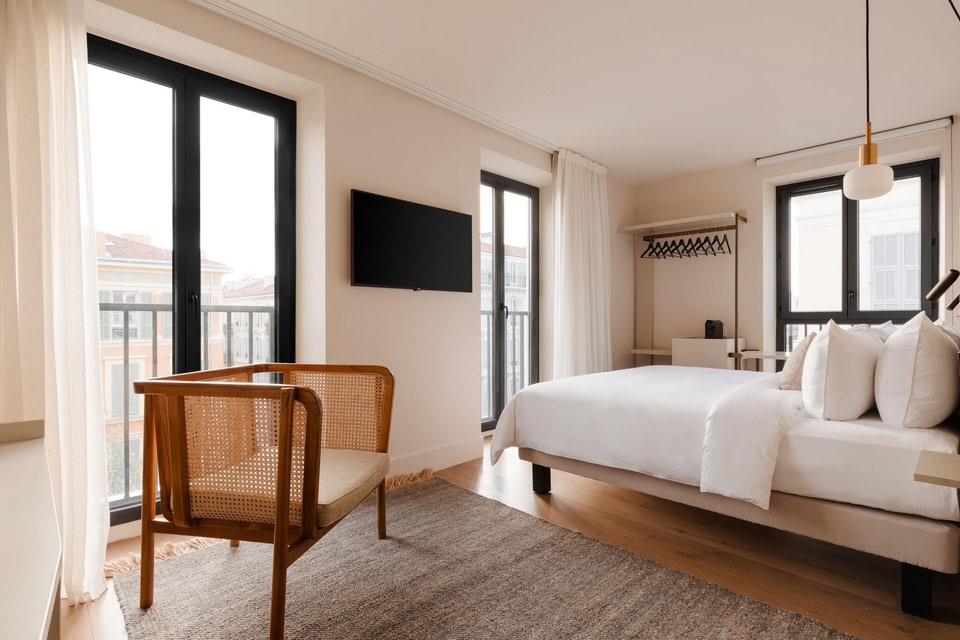
Lyon is particularly interesting for travelers who appreciate a combination of historic surroundings and contemporary hospitality. When researching Hotels in Lyon, consider whether you prefer a historic atmosphere, a modern business-oriented environment or a boutique room inspired by local architecture.
Historic buildings can create memorable accommodation experiences because rooms may contain distinctive proportions, original details or unusual layouts. However, historic architecture can sometimes mean irregular room shapes, smaller elevators or different bathroom configurations. Travelers should therefore review the practical specifications carefully.
Modern Lyon hotels may place greater emphasis on efficient workspaces, reliable internet connectivity, sound insulation and contemporary bathrooms. This can be particularly useful for business travelers or anyone combining work with leisure.
The neighborhood also influences the type of room experience you receive. Central accommodation can make walking easier and reduce the need for transportation. Properties farther from the most active districts may offer larger rooms, more generous common spaces or different pricing structures.
A professional hotel comparison should therefore examine three layers: the room itself, the building and the neighborhood. A beautiful room cannot fully compensate for a location that conflicts with your daily plans, while an excellent location does not eliminate the importance of sleep quality.

5. Marseille: Selecting Rooms Around Coastal Atmosphere
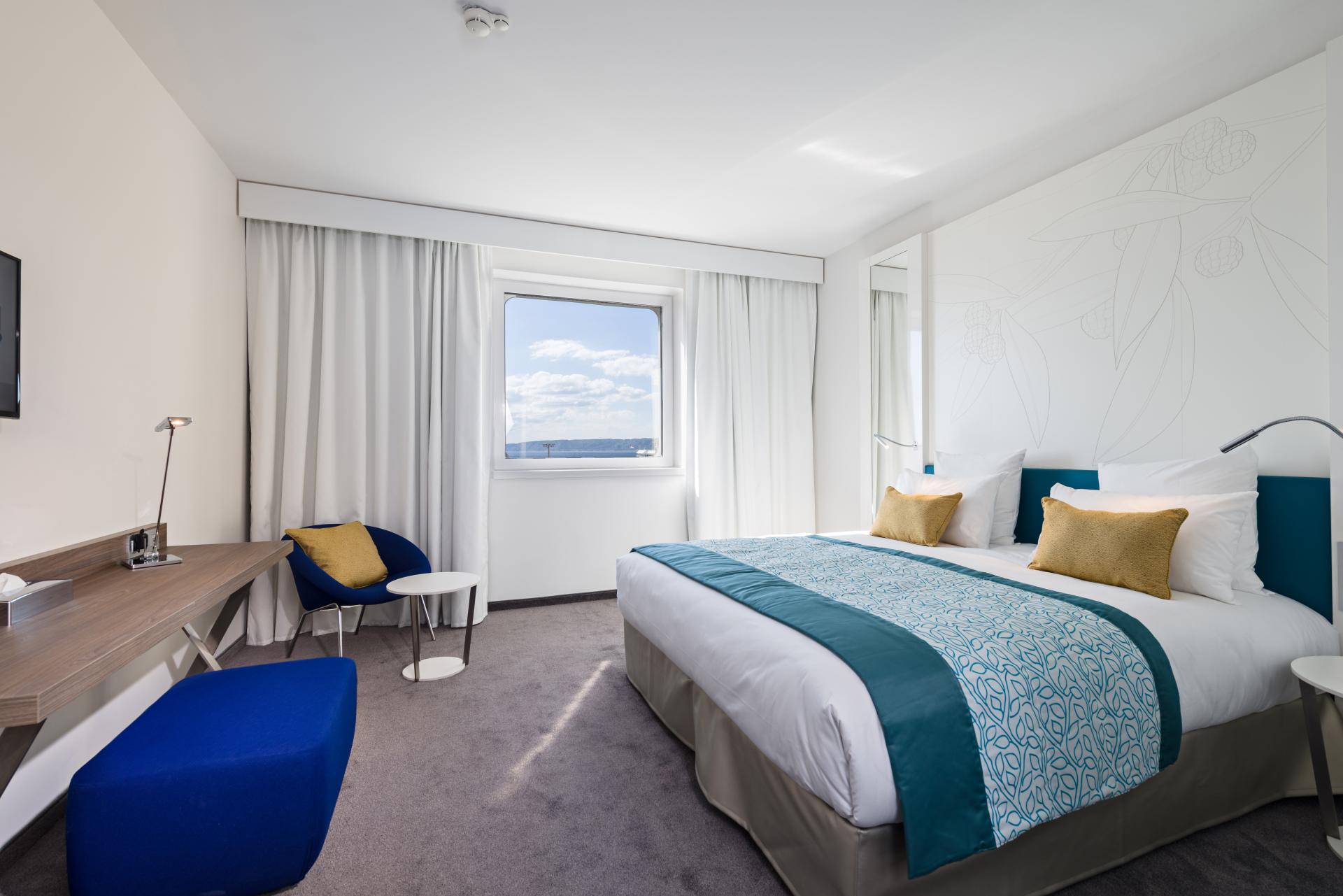
Marseille offers another distinctive accommodation profile. Sea-facing rooms, contemporary interiors and generous windows can create a strong connection with the Mediterranean environment. Travelers exploring Hotels in Marseille should compare not only room size but also orientation, view, noise exposure and outdoor access.
A sea view can be particularly appealing, but travelers should determine whether it is a direct view, a partial view or simply a room located near the waterfront. Descriptions can vary considerably between properties, so photographs and detailed room categories deserve careful examination.
For warm-weather stays, ventilation and air conditioning should be treated as practical essentials rather than optional luxuries. Large windows can improve daylight but should be paired with good curtains and effective temperature control.
Marseille rooms may also use brighter colors, natural textures and modern furniture to reinforce the coastal setting. This style can feel fresh and relaxed without sacrificing sophistication. Look for rooms where decorative choices are balanced by functional surfaces, storage and comfortable seating.
Guests planning to explore the city by car should also consider parking and access. A central hotel may be excellent for walking but less convenient for vehicles. This is where accommodation planning and transportation planning should be treated as one decision rather than two separate decisions.
6. French Countryside Hotels and Resort-Style Rooms
Not every traveler wants an urban hotel. France also offers accommodation experiences where the room is part of a quieter destination. In these settings, space, views, gardens, terraces and residential details may become more important than proximity to major attractions.
A resort-style room can work particularly well for travelers who intend to spend substantial time at the property. In this situation, evaluate the room almost as you would evaluate a temporary apartment. Is there enough seating? Is there sufficient storage? Can you work comfortably if necessary? Is the bathroom large enough for the length of your stay?
For extended stays, small details accumulate. A narrow bedside table may not matter for one night but become inconvenient after a week. Limited wardrobe space may be tolerable for a weekend and frustrating during a longer holiday. The best room choice depends on duration as much as destination.

7. Hotel Room Specifications: What to Compare Before Booking
Professional hotel selection becomes easier when room specifications are organized into categories. Instead of asking whether a room “looks nice,” compare measurable or clearly identifiable features. The following framework can be used for city hotels, boutique properties, resorts and extended stays.
| Feature | What to Check | Why It Matters | Ideal Consideration |
|---|---|---|---|
| Room Size | Actual square meters and usable floor area | Influences movement, luggage storage and comfort | Choose according to trip length and number of guests |
| Bed | Bed size, mattress style and pillow options | Directly affects sleep quality | Prioritize personal sleeping preferences |
| Natural Light | Window size, orientation and curtains | Shapes daytime atmosphere | Combine daylight with effective blackout options |
| Bathroom | Shower, bathtub, ventilation and counter space | Determines daily convenience | Match configuration to personal habits |
| Workspace | Desk, chair, outlets and internet access | Important for business and digital travelers | Dedicated desk with comfortable seating |
| Storage | Wardrobe, drawers and luggage area | Prevents clutter during longer stays | Enough capacity for every guest |
| Climate Control | Heating, cooling and room-level controls | Supports comfortable sleep | Adjustable controls are preferable |
| Sound Control | Windows, doors, hallway exposure and room position | Can significantly influence rest | Quiet room away from major noise sources |
| Seating | Armchair, sofa or lounge area | Creates an alternative to sitting on the bed | At least one genuinely comfortable seat |
| Technology | Wi-Fi, charging points and television | Supports modern travel needs | Convenient outlets beside the bed and desk |
8. The Bed: The Core of the Guest Room
The bed is usually the most important physical element in a hotel room because it directly influences sleep. A visually impressive bed is not necessarily a comfortable one, so travelers should look for detailed information about mattress type, bed dimensions and available pillow choices when such information is provided.
Couples should also consider whether the bed size leaves enough circulation space. A very large bed inside a compact room may look luxurious in a photograph while leaving little space for luggage, seating or movement.
Pillow choice is another useful indicator of thoughtful room design. Different travelers have different preferences, and a property that provides multiple pillow types can make the sleeping environment more adaptable.
Bedside accessibility is equally important. A modern room should ideally allow guests to control lighting, access charging points and place personal items within easy reach. These details are easy to overlook before arrival and become immediately noticeable once the room is occupied.
For travelers staying several nights, the bed should be evaluated together with the room's sound and climate conditions. Even an excellent mattress cannot compensate for excessive hallway noise, uncomfortable temperature or uncontrolled morning light.
9. Bathrooms: The Difference Between Attractive and Practical
Bathrooms deserve the same attention as bedrooms. A beautifully photographed marble bathroom can be visually impressive, but practical details determine whether it is comfortable for daily use.
Begin with the shower. Check whether it is walk-in, enclosed or combined with a bathtub. Consider the position of the controls and the available space. Travelers who prefer long showers may value a larger enclosure, while others may prioritize a bathtub.
Counter space is particularly important when two people share a room. A bathroom with minimal surface area can quickly become difficult to organize. Storage shelves and drawers can compensate for a smaller countertop.
Ventilation also matters. Effective ventilation helps control humidity and supports a fresher bathroom environment. Natural light can be attractive, but privacy arrangements should be considered when windows are present.
Accessibility should be evaluated individually. Travelers with mobility requirements may need step-free showers, wider doorways, grab rails or specific room layouts. These should be confirmed directly with the property rather than assumed from general hotel descriptions.
10. Lighting Design for a More Comfortable Stay
Lighting can transform the perception of a hotel room. Professional interiors generally combine multiple sources instead of relying on one central fixture.
Bedside lamps provide focused evening illumination. Desk lighting supports reading or working. Accent lighting can highlight architectural details, while daylight changes the atmosphere throughout the day.
Travelers who work remotely should check whether the desk receives adequate illumination without producing glare on a laptop screen. Those who prioritize relaxation may prefer warmer, softer lighting options.
Blackout curtains should also be considered part of the lighting system. In major cities, exterior lighting can remain visible throughout the night. Effective curtains can create a darker sleeping environment while still allowing daylight when desired.
A room with flexible lighting gives guests greater control over their environment, which is one reason lighting should appear on any serious hotel comparison checklist.
11. Workspace Design for Business and Remote Travelers
The modern hotel room increasingly functions as a temporary office. Travelers may need to answer emails, attend meetings, review documents or manage personal projects without leaving the room.
A professional workspace should include a stable desk, comfortable chair, accessible electrical outlets and dependable internet connectivity. The desk should ideally be deep enough for a laptop and essential accessories.
Natural light can make daytime work more pleasant, but screen glare should be considered. Curtains that can be adjusted gradually are useful because they allow guests to control the balance between daylight and visibility.
Business travelers should also consider whether the room offers sufficient separation between the work area and the sleeping area. A larger room with a distinct lounge or workspace can make it easier to mentally separate professional and personal time.
Travelers looking for transportation flexibility can also explore Car rentals in Paris when accommodation plans include destinations outside the immediate city center. Integrating transportation decisions with room selection can improve the overall structure of a multi-stop trip.
12. Storage: An Underestimated Luxury
Storage is one of the least glamorous hotel features and one of the most important. A room can have excellent furniture and beautiful finishes but still feel uncomfortable if luggage and clothing have nowhere to go.
Look for wardrobes with usable hanging space, shelves for folded items and an area where luggage can remain open without blocking circulation. Travelers carrying formal clothing should pay attention to the height and width of hanging space.
For families, storage requirements multiply quickly. Children may have smaller bags, shoes and accessories that need organization. A room with additional drawers or a separate closet area can make a major difference.
Long-stay travelers should also consider whether the room offers enough space to unpack completely. Living out of a suitcase for several days can reduce comfort, even in an otherwise excellent property.
13. Technology Without Losing Comfort
Hotel technology should simplify the stay rather than complicate it. Reliable Wi-Fi remains one of the most useful digital amenities. Charging points near the bed are equally important, particularly for travelers carrying phones, tablets, cameras and laptops.
USB or modern charging connections can be convenient, but traditional electrical outlets remain important for adapters and larger equipment. Travelers arriving from different countries should bring the appropriate adapter regardless of the hotel's advertised connectivity.
Television systems, smart controls and digital room features can be attractive, but they should never substitute for basic functionality. A room with excellent Wi-Fi, accessible switches and convenient outlets may be more useful than a room with complicated technology that is difficult to operate.
For international travelers, clear instructions are valuable. Digital systems should offer intuitive controls and straightforward information about services, Wi-Fi access and hotel policies.
14. Climate Control and Seasonal Comfort
France experiences a variety of seasonal conditions, and the importance of climate control depends heavily on travel dates and destination. Paris, Lyon and Marseille can feel very different depending on the season, while Nice often attracts travelers specifically because of its Mediterranean climate.
When evaluating a room, check whether temperature controls are available individually or centrally managed. Individual controls give guests greater flexibility and can improve sleep comfort.
Window quality also influences room comfort. Well-sealed windows can help reduce exterior noise and temperature fluctuations. This is especially relevant in central urban properties.
During warmer periods, air conditioning becomes particularly valuable for travelers who are sensitive to heat. During colder periods, heating performance and the availability of adjustable settings deserve equal attention.
15. Soundproofing and Room Position
Noise can have a larger impact on hotel satisfaction than many decorative features. The position of a room within the building can affect exposure to elevators, staircases, streets, restaurants, service corridors and neighboring rooms.
If quietness is important, ask the hotel whether a room away from elevators and major public areas is available. Courtyard-facing rooms can sometimes offer a different acoustic experience from street-facing rooms, although every property is different.
Travelers should also consider their personal schedules. A guest who sleeps early may want a different room position from someone who stays awake late. Families with young children may value a quiet environment even more.
Soundproof windows can help, but they are only one part of the equation. Door seals, hallway activity and neighboring rooms also contribute to perceived noise levels.
16. Cleanliness and Visual Maintenance
Cleanliness is not merely about whether a room appears tidy at first glance. Look for signs that the entire space is consistently maintained. Fixtures should appear cared for, fabrics should look fresh, and high-touch areas should receive appropriate attention.
Photographs can help set expectations, but they cannot replace direct information about current room conditions. Travelers should review recent guest feedback when available and pay attention to repeated comments rather than isolated opinions.
Maintenance is another useful category. Small signs such as worn furniture, damaged surfaces or outdated fixtures can indicate that a room has not been refreshed recently. This does not automatically make a property unsuitable, but it can affect whether the advertised room experience matches expectations.
For premium accommodation, consistency becomes especially important. Travelers paying for an elevated room category generally expect the physical condition of the room to match its positioning.
17. Boutique Hotels Versus Large Hotels
Boutique properties often emphasize individuality. Rooms may feature distinctive furniture, local design references, unusual color palettes or architectural character. This can create a memorable experience for travelers who value atmosphere.
Larger hotels can offer different advantages, including a broader range of room categories, more extensive facilities and standardized service structures. Neither model is automatically better for every traveler.
The decision should depend on the purpose of the trip. A romantic weekend may benefit from intimate design and distinctive character. A business trip may prioritize predictable facilities, workspace and transportation access. A family holiday may require connecting rooms, larger layouts and practical storage.
When comparing Hotel options generally, avoid selecting purely on brand recognition. Instead, compare the exact room category you would actually book.
18. Families: Room Selection Requires Extra Planning
Family travel changes the definition of a comfortable hotel room. Parents often need more floor space, storage and bathroom flexibility than solo travelers.
Connecting rooms can provide an effective balance between privacy and proximity. Suites with separate living areas can also work well because children can sleep while adults still have a place to sit.
Room location matters too. Families may prefer easy elevator access but may want to avoid rooms immediately beside busy common areas. Safety considerations should also be discussed with the property when traveling with young children.
For longer stays, kitchenette facilities or additional refrigeration may be useful depending on the family's needs. However, these features should be confirmed rather than assumed from a room category name.
19. Couples: Creating a More Refined Room Experience
Couples often evaluate hotel rooms differently. Privacy, atmosphere, lighting, bed quality, bathroom design and views may carry greater importance.
A separate seating area can make the room feel more like a private suite rather than simply a sleeping space. A balcony or terrace can also add another dimension to the experience when it is properly furnished and private.
Interior design can influence atmosphere, but functionality remains essential. Beautiful decoration should be paired with comfortable seating, practical storage and a bathroom that both guests can use conveniently.
For city breaks, location should be balanced with room quality. A central room may reduce transportation time, allowing more of the trip to be spent exploring, dining and relaxing rather than commuting.
20. Accessible Room Planning
Accessibility should be treated as a precise room specification rather than a general promise. Travelers with mobility or other accessibility needs should confirm the exact features of the assigned room before arrival.
Important questions can include doorway width, elevator access, bathroom configuration, shower entry, bed height and the availability of support equipment. Requirements vary considerably from traveler to traveler.
It is also useful to ask whether accessible rooms are located near elevators, reception areas or other parts of the property that could affect noise and convenience. A room may meet physical accessibility requirements while still not matching the traveler's preferred environment.
Clear communication with the property before booking can prevent misunderstandings and create a more predictable arrival experience.
21. Choosing Between Room Categories
Hotel websites often present several categories that sound similar: Classic, Superior, Deluxe, Executive, Junior Suite and Suite. The names alone do not provide enough information to make a professional comparison.
Instead, compare actual dimensions, bed configuration, view, bathroom arrangement, floor position, seating and included services. A higher category may provide more space, a better view or additional facilities, but the value depends on whether those features matter to you.
For a short city break, a well-located standard room may be sufficient. For a week-long stay, upgrading to a larger category may improve comfort substantially because the room becomes part of the daily living environment.
Always compare like with like. A room with a larger area but no outdoor space should not be compared with a smaller room that includes a large private terrace without considering how you intend to use the accommodation.
22. Transportation and Hotel Location
Accommodation planning works best when transportation is considered at the same time. A hotel may appear affordable until daily transfers are added. Conversely, a slightly more expensive room in a convenient location can sometimes reduce transportation complexity.
Travelers planning to drive can investigate Car rentals in France as part of a broader itinerary. This is especially relevant when combining major cities with smaller towns or countryside destinations.
In Paris, travelers should consider whether a car is genuinely useful for their itinerary. For urban exploration, public transportation and walking may be more practical, while a rental vehicle may become valuable for excursions outside the city.
In Nice and surrounding areas, a car can provide greater flexibility for travelers planning to explore the wider Côte d'Azur. Those who prefer not to drive should prioritize hotels with convenient access to transportation.
Travelers staying in Lyon or Marseille should similarly compare hotel location with their planned activities instead of assuming that the most central property will always provide the most efficient experience.
23. Car Rental in Nice and Flexible Itineraries
For travelers building a coastal itinerary, Car rentals in Nice can be considered alongside hotel selection. The ideal accommodation may change depending on whether the trip focuses on the city itself or uses Nice as a base for regional exploration.
If the car will remain parked for most of the stay, parking availability and cost become important. A hotel with convenient parking can sometimes be more practical than a property with a lower nightly rate but complicated vehicle access.
If driving is central to the itinerary, room location within the property can also matter. Easy access to elevators, parking areas or ground-level facilities may improve convenience, particularly when carrying luggage.
Transportation planning should therefore be completed before finalizing the room category. This reduces the risk of paying for features that do not align with the actual structure of the trip.
24. Flights, Arrival Times and Check-In Planning
Arrival logistics can influence hotel selection more than many travelers expect. If your flight arrives late, a property with a straightforward check-in process and convenient transportation access may be particularly useful.
Travelers arriving through the capital can research Flights to Paris Charles de Gaulle Airport (CDG) and then coordinate airport arrival with the selected accommodation.
Check-in and check-out times should be reviewed before booking. Early arrivals may require luggage storage if the room is not ready, while late departures may require an additional arrangement. These details are especially important when international flights create unusual schedules.
A professional itinerary considers the complete travel chain: flight arrival, airport transfer, hotel check-in, room access, local transportation and eventual departure. The hotel room is only one part of this sequence, but it is the part where travelers recover between activities.
25. Evaluating Value Instead of Simply Comparing Prices
The cheapest room is not necessarily the most economical choice, and the most expensive room is not automatically the most suitable. Value should be measured against actual usage.
Consider what is included in the price. Breakfast, parking, internet access, room size, location and transportation requirements can change the effective cost of a stay.
A slightly larger room may be valuable for a seven-night stay but unnecessary for a one-night stopover. A balcony may be important for a leisure holiday and irrelevant for a business trip. A premium view may be meaningful for a special occasion but less important when the itinerary keeps you outside the hotel most of the day.
When comparing Hotels & Resorts in France, create a personal priority list before comparing prices. This prevents attractive promotional pricing from distracting you from the features that actually determine comfort.
26. Seasonal Hotel Room Strategy
The same room can provide a different experience depending on the season. In warmer months, air conditioning, shading and ventilation become more important. In colder periods, heating, insulation and cozy seating may take priority.
Summer travelers should examine outdoor space carefully. A balcony may be wonderful when furnished properly, while a small exposed balcony may receive intense sunlight during the hottest part of the day.
Winter travelers may value rooms with larger seating areas, better insulation and inviting interior materials. Natural light becomes particularly useful when daylight hours are shorter.
Spring and autumn can provide a balanced travel environment, but weather conditions remain variable. Flexible room features allow travelers to adapt more easily to changing conditions.
Seasonal planning is therefore another reason to avoid judging a room solely by its photographs. Ask which features will actually matter during the dates of your stay.
27. Reading Hotel Photography Like a Professional
Hotel photography is designed to present the room attractively, but travelers can learn to analyze images more critically.
Look at the distance between the bed and surrounding furniture. Examine whether the room has genuine circulation space or whether the photograph uses a wide-angle lens to make the room appear larger. Look for visible storage, desk placement and bathroom access.
Pay attention to windows. Large windows may suggest strong natural light, but determine whether they face a building, street, courtyard or attractive view. Curtains can also provide clues about privacy and blackout capability.
Examine furniture scale. A small chair placed near a large bed can make a room appear more spacious than it really is. Compare several images from the same room category whenever possible.
The objective is not to distrust hotel photography but to interpret it intelligently. A professional traveler looks for practical information within the visual presentation.
28. Design Details That Make Rooms Feel More Expensive
Luxury perception is often created through proportion rather than expensive decoration. High-quality textiles, coordinated materials, carefully selected lighting and uncluttered surfaces can make a room feel sophisticated.
Natural materials such as wood, stone, linen-inspired fabrics and refined metal accents can create depth. However, the strongest interiors usually maintain visual consistency rather than filling every available surface with decorative objects.
Color also influences perception. Neutral palettes can create a calm atmosphere, while carefully selected accent colors provide character. French hotel interiors often use architectural details as part of the design language, allowing the room to feel connected to its location.
The most successful design choices support comfort. Decorative lighting should still illuminate useful areas. Furniture should remain comfortable. Decorative surfaces should not eliminate the practical storage guests need.
29. Hotel Room Experience for Longer Stays
Longer stays require a different evaluation framework. When staying for several nights, guests begin using the room as a temporary home rather than a simple sleeping space.
Storage, seating, workspace, bathroom organization and natural light become increasingly important. A small room may work perfectly for a weekend but become restrictive after a week.
Consider creating separate zones. Keep luggage away from the sleeping area if possible. Use the desk for work rather than eating. Keep bathroom items organized to preserve counter space.
If the hotel offers multiple room categories, compare the total cost of upgrading against the number of nights. Even a moderate daily upgrade can represent a meaningful investment over a long stay, so choose features that genuinely improve everyday comfort.
30. Multi-City Trips Across France
France is particularly well suited to multi-city travel. A carefully planned itinerary can combine Paris, Lyon, Nice and Marseille while giving each destination its own character.
For the Paris segment, prioritize location, sleep quality and room organization. In Lyon, heritage atmosphere and efficient city access may become more relevant. In Nice, outdoor space, daylight and climate control can receive greater attention. In Marseille, views, coastal atmosphere and transportation logistics may influence the decision.
This does not mean travelers need a completely different hotel philosophy in every city. The same basic framework remains useful: room size, bed quality, bathroom, noise, light, storage, workspace and location.
Travelers who need flexibility can also revisit Hotel in Paris options when organizing the first or final stage of a France itinerary, especially when flight schedules determine where the trip begins or ends.
31. Building a Personal Hotel Room Priority Scorecard
A simple scorecard can make hotel selection more objective. Assign importance to the categories that matter most to your trip, then compare the shortlisted rooms using the same criteria.
For example, a business traveler might place greater importance on workspace, Wi-Fi, quietness and transportation. A couple may emphasize atmosphere, bed quality, bathroom design and views. A family may focus on room size, storage, connecting rooms and accessibility.
The advantage of this method is consistency. Instead of becoming distracted by a beautiful lobby photograph or a temporary promotion, you compare the actual room against the requirements of your itinerary.
You can also divide features into three groups: essential, desirable and optional. Essential features should determine whether the room remains on the shortlist. Desirable features can influence the final choice. Optional features should only affect the decision when pricing is otherwise similar.
32. Common Hotel Booking Mistakes to Avoid
One common mistake is booking by hotel name instead of room category. A property may contain very different room types, and the cheapest category may not match the expectations created by premium marketing photographs.
Another mistake is ignoring the room's exact location within the building. Travelers may book a property because it is quiet without checking whether the selected room is near an elevator, street or service area.
Ignoring bathroom configuration is another frequent problem. Guests sometimes focus entirely on the bedroom and only discover later that the shower or bathtub arrangement does not suit their preferences.
Finally, travelers sometimes compare nightly rates without considering the total cost. Transportation, breakfast, parking and room upgrades can alter the overall value of an accommodation choice.
33. How to Create a Premium Hotel Shortlist
A professional shortlist should contain a small number of properties rather than dozens of possibilities. Start by identifying the destination and preferred neighborhood. Then define the minimum room size, preferred bed type, bathroom requirements and essential amenities.
Next, compare the shortlisted properties using the same criteria. Review photographs of the exact room category whenever possible. Examine recent information and confirm any feature that is essential to your stay.
Travelers can also revisit Hotel in Nice options when planning Mediterranean stays and compare the room experience against transportation requirements, outdoor space and seasonal conditions.
The objective is not to find the room with the longest feature list. It is to identify the room whose features align most closely with the purpose of the trip.
34. Hotel Room Selection for Business-Led Travel
Business travel places efficiency above decoration. The ideal room should allow guests to sleep comfortably, work efficiently and move through the hotel without unnecessary delays.
Desk ergonomics matter. A decorative desk may look attractive but be uncomfortable for extended work. Chair height, desk depth and access to outlets should be considered.
Noise control is equally important. Business travelers often have early meetings or need uninterrupted concentration. A quiet room can be more valuable than an upgraded view.
Location should also reduce travel time to meetings or transportation hubs. In this context, an efficiently designed room and strategically positioned hotel can create value that is not immediately visible in the nightly price.
35. Hotel Room Selection for Leisure Travel
Leisure travelers have greater flexibility to prioritize atmosphere. However, comfort should remain central.
Choose a room that supports the way you want to spend your downtime. If you plan to read, select comfortable seating. If you enjoy morning coffee outdoors, prioritize a usable balcony or terrace. If you expect to return late after exploring a city, prioritize a comfortable bed and effective sound control.
For travelers who intend to spend significant time at the property, room size and amenities deserve greater attention. For travelers who will spend nearly every waking hour exploring, location and sleep quality may offer greater value.
36. Connecting Hotel and Transportation Decisions
Accommodation and transportation should form a single travel plan. A room located near a train station may reduce transfer time. A hotel with parking may simplify a driving itinerary. A central property may eliminate the need for frequent vehicle use.
Travelers considering Car rentals in Paris should evaluate the hotel parking situation before selecting a room. Likewise, travelers combining city stays with regional driving should calculate how often the vehicle will actually be used.
This integrated approach can prevent unnecessary expenses and reduce logistical friction. The ideal hotel is not simply the property with the most attractive room; it is the accommodation that fits naturally into the entire journey.
37. A More Refined Approach to Hotel Amenities
Amenity lists can become overwhelming. Instead of counting amenities, categorize them according to how they affect your stay.
Comfort amenities include bedding, climate control and seating. Convenience amenities include charging points, storage, luggage services and transportation access. Work amenities include internet connectivity and desk space. Wellness amenities can include pools, fitness areas and spa facilities.
Choose amenities according to your actual behavior. A traveler who never uses a gym should not pay a major premium simply because a property has an impressive fitness center. Someone working remotely, however, may consider reliable internet and workspace essential.
This approach creates a clearer relationship between price and usefulness.
38. Using Hotel Reviews More Effectively
Reviews are most useful when they are analyzed for patterns. One isolated complaint does not necessarily describe the property accurately. Repeated observations across many reviews can provide more meaningful signals.
Look for comments about sleep quality, cleanliness, room size, noise, bathroom condition, staff responsiveness and whether the room matched its photographs.
Pay attention to the date of the review. Hotels can renovate rooms, change management, update facilities or modify policies. Older reviews may therefore describe a different room experience from the current one.
Reviews should complement, not replace, the hotel's official room specifications.
39. A Practical French Hotel Planning Framework
When planning a hotel stay in France, begin with the destination. Then determine the purpose of the trip. Next, identify the room characteristics that support that purpose.
For a Paris city break, location and quietness may dominate. For Nice, outdoor space and climate control may become more important. For Lyon, design, location and workspace can all matter. For Marseille, views, transportation and room atmosphere may influence the final selection.
After identifying the room requirements, compare the exact categories available. Do not compare a standard room at one hotel with a suite at another without considering the difference in space and services.
Finally, calculate the total cost and verify the practical details before confirming the booking.
40. Final Pre-Booking Checklist
- Confirm the exact room category rather than relying on general hotel photographs.
- Check the room's stated size and compare it with the number of guests.
- Verify the bed configuration and preferred sleeping arrangement.
- Review bathroom type, shower configuration and available space.
- Check whether air conditioning or heating is available and individually controlled.
- Review the location of the room within the building when possible.
- Confirm Wi-Fi availability and workspace suitability if you work remotely.
- Check wardrobe, drawers and luggage-storage capacity for longer stays.
- Determine whether a balcony or terrace is genuinely useful for your itinerary.
- Consider street noise, elevators and public areas when choosing the room position.
- Calculate parking and transportation costs rather than comparing room rates alone.
- Review check-in and check-out times against flight or train schedules.
- Confirm accessibility requirements directly with the hotel when necessary.
- Compare the total value of room upgrades against the number of nights.
- Keep essential and optional features separate when making the final decision.
41. Frequently Asked Questions About Hotel Rooms in France
What should I prioritize when choosing a hotel room in France?
Start with the features that directly affect your stay: location, room size, bed quality, bathroom configuration, sound control, climate control and storage. Then consider design, views and additional amenities according to your travel style.
Is a larger hotel room always better?
Not necessarily. A larger room can provide more comfort, but location, layout, quietness and room functionality may be more valuable. A well-designed room with efficient use of space can outperform a larger but poorly organized room.
Should I pay more for a hotel room with a view?
The answer depends on how important the view is to your experience. If you expect to spend substantial time in the room, a good view may add meaningful value. If your itinerary keeps you outside most of the day, other upgrades may be more useful.
What is important when booking a hotel in Nice?
Consider natural light, climate control, outdoor space, room orientation, noise and transportation. If you plan to explore the wider region, also consider parking and access to major roads.
How should I compare hotel rooms in Paris?
Compare the exact room category, dimensions, location within the property, noise exposure, bathroom, storage and transportation convenience. Do not assume that photographs of premium suites represent every room category.
Are hotel room amenities important for longer stays?
Yes. Storage, seating, workspace, climate control and bathroom organization become increasingly important when you stay for several nights. Features that seem minor during a one-night visit can have a significant cumulative effect during an extended stay.
42. A Professional Standard for Selecting Your Next French Hotel
The strongest hotel decisions are based on alignment. The room should align with the destination, the itinerary, the season, the number of guests and the amount of time you expect to spend inside the property.
Paris can reward travelers who carefully balance location, architectural character and quietness. Nice can make natural light and outdoor access especially attractive. Lyon can appeal to travelers who appreciate the combination of heritage and modern functionality. Marseille can offer a strong coastal atmosphere where views, climate control and transportation planning deserve close attention.
For travelers comparing Hotels in Marseille, the same professional framework applies: define the purpose of the stay, identify essential room features, compare exact categories and evaluate the complete cost rather than the nightly price alone.
The result is a hotel selection process that is clearer, more practical and more closely connected to the actual experience you want from your time in France.
Comments
Post a Comment