The New Definition of a Memorable French Hotel Stay
A hotel room can be much more than a place to sleep. For travelers exploring France, accommodation can become an important part of the destination experience, particularly when the room combines attractive architecture, thoughtful interior design, practical comfort and a convenient location. The most memorable stays are usually created by a combination of small decisions rather than one spectacular feature.
Modern travelers increasingly look at hotels as complete environments. The bed matters, but so do the lighting arrangement, furniture placement, storage, bathroom design, natural daylight, sound insulation, technology and the relationship between the room and the destination outside. When these elements work together, the hotel becomes an effortless extension of the journey.
France provides an exceptional range of accommodation styles. Historic buildings can contain contemporary rooms, coastal properties can use natural materials and generous windows, while urban hotels can combine compact layouts with highly efficient furniture. Travelers comparing Hotels & Resorts in France can therefore approach the search from both a practical and an aesthetic perspective.
The right hotel does not necessarily need to be the largest or most decorated property. Instead, it should match the way the traveler intends to use it. A person spending most of the day exploring a city may value location and a comfortable sleeping environment. Someone staying for a week may need generous storage and a seating area. A business traveler may prioritize a proper desk and dependable connectivity.
This approach creates a more meaningful way to compare accommodation. Rather than asking whether a hotel looks impressive in a photograph, travelers can ask whether the room will make everyday travel easier, calmer and more enjoyable.
Evaluate every property through three dimensions: destination, room functionality and overall guest comfort. A successful hotel choice is the one where these three elements support the same travel plan.
Hotel Specifications, Functions, Advantages and Features
| Hotel Type | Primary Function | Main Advantages | Key Features | Ideal Travel Scenario |
|---|---|---|---|---|
| Urban Luxury Hotel | Provides a sophisticated base in a major city. | Convenient location, refined interiors and extensive guest services. | Premium bedding, elegant bathrooms, concierge services, workspace and strong connectivity. | City breaks, business trips and special occasions. |
| Boutique Hotel | Creates a distinctive and personalized accommodation experience. | Individual character and strong interior identity. | Unique furniture, artistic details, intimate spaces and destination-inspired design. | Couples, design enthusiasts and short leisure stays. |
| Coastal Hotel | Connects accommodation with a seaside destination. | Natural light, outdoor areas and relaxing surroundings. | Large windows, balconies, terraces, sea views and bright interiors. | Relaxation, summer travel and Mediterranean itineraries. |
| Business Hotel | Supports professional travel and efficient schedules. | Work-friendly rooms and transportation convenience. | Desk, ergonomic chair, charging points, internet and flexible services. | Meetings, conferences and short business trips. |
| Family Hotel | Provides flexible accommodation for multiple guests. | Practical room configurations and useful services. | Family rooms, connecting rooms, storage and additional sleeping options. | Family vacations and extended stays. |
| Extended-Stay Hotel | Supports travelers who remain in one destination for several nights. | Additional space and residential-style convenience. | Large rooms, seating areas, kitchen facilities in selected properties and generous storage. | Long holidays, relocation and project-based travel. |
The table demonstrates why hotel comparison should focus on function as well as appearance. A room can be beautiful and still be inconvenient for a particular traveler. Likewise, a relatively simple room can provide excellent value when its location, layout and facilities match the itinerary perfectly.
Room specifications should be read carefully because terminology is not always standardized. Words such as superior, deluxe, executive or premium can mean different things at different properties. The actual floor area, bed configuration, view, bathroom arrangement and included facilities provide a much more useful comparison.
Another important consideration is the duration of the stay. A compact room can be perfectly practical for one night, especially when the hotel is centrally located. Over several nights, however, storage, seating, workspace and circulation become more important. This is why experienced travelers often change their selection criteria according to the length and purpose of the trip.
Paris: Where Classic Architecture Meets Contemporary Hotel Design
A Hotel in Paris can provide one of the most visually distinctive accommodation experiences in France. The city's historic buildings offer architectural details that can become central elements of the room, including tall windows, decorative moldings, traditional flooring and carefully restored façades.
Modern hotel design can work particularly well in this environment because contemporary furniture and technology can be introduced without removing the character of the building. A room may preserve classic proportions while using modern lighting, charging facilities, efficient climate control and ergonomic furniture.
The result can feel both timeless and practical. Travelers may wake up surrounded by architectural details associated with Paris while enjoying the conveniences expected from modern accommodation.
Natural light plays an important role. Tall windows can make a room feel visually generous even when the floor area is relatively compact. Curtains and blackout layers then allow guests to control the atmosphere according to their daily schedule.

Furniture placement is especially important in Paris because many historic buildings have distinctive room shapes. A carefully arranged bed, desk and seating area can preserve circulation while maximizing usable space.
Travelers should also examine the position of the room within the building. A street-facing room can provide a stronger connection with the city, while a courtyard-facing room may provide a quieter atmosphere. Neither option is automatically better; the correct choice depends on the traveler's priorities.
Sound insulation deserves attention as well. Urban destinations can remain active at different times of the day, and travelers who value restful nights may want to investigate room orientation and acoustic performance before booking.
Storage is another detail that can transform the experience. A wardrobe with sufficient hanging space, drawers and a designated luggage area can keep the room organized throughout a multi-day stay.
For travelers extending their itinerary beyond the city, Car rentals in Paris can be considered as part of the overall transportation plan. The need for a vehicle should be based on the itinerary, especially when the stay includes both central Paris and destinations outside the city.
How Parisian Hotel Interiors Create a Sense of Luxury
Luxury in a Paris hotel does not have to depend on excessive decoration. A carefully controlled combination of materials, proportions and lighting can create a premium atmosphere while maintaining visual calm.
Soft textiles can be particularly effective. Upholstered headboards, layered curtains, comfortable rugs and textured cushions add depth without overwhelming the room. Natural wood and stone can introduce additional warmth and provide contrast against neutral walls.
Furniture should be selected according to scale. A large bed can become the visual centerpiece, while a compact writing desk can provide a functional work area. A single comfortable armchair may be more useful than several decorative pieces that reduce circulation.
Bedside lighting should be practical and attractive. Guests frequently use bedside lamps for reading, checking devices or creating softer illumination before sleeping. Switches and charging points should ideally be positioned where they are easy to reach.
Bathroom design contributes equally to the perception of quality. Clean lines, generous mirrors, appropriate lighting and sufficient storage can make even a compact bathroom feel highly functional.
Another important factor is consistency. The bedroom, bathroom and public areas should feel connected through materials, colors and design language. When every element appears to belong to the same visual story, the entire hotel experience becomes more polished.
Classic Parisian Details
Moldings, tall windows, refined fabrics and traditional architectural elements can provide a strong sense of place.
Contemporary Comfort
Modern charging points, climate control, comfortable furniture and practical lighting can make historic accommodation suitable for today's traveler.
Quiet Luxury
Neutral colors, high-quality textiles and restrained decoration can create an elegant environment without visual excess.
Functional Elegance
Well-planned storage, clear circulation and useful seating ensure that beauty does not come at the expense of everyday comfort.
The strongest Parisian hotel rooms are therefore not simply decorative. They create an environment in which the traveler can sleep, work, prepare for the day and relax with minimal effort.
Nice: Mediterranean Light, Space and Relaxed Sophistication
A Hotel in Nice can create a completely different atmosphere from accommodation in Paris. Mediterranean daylight, coastal scenery and the relaxed character of southern France can influence everything from color palettes to furniture choices.
Bright interiors are particularly effective in this setting. Large windows allow natural light to enter the room, while light-colored materials reinforce the feeling of openness. Subtle blue, green, sand and cream accents can create a coastal atmosphere without relying on overly thematic decoration.
Outdoor space can also become an important extension of the room. A balcony or terrace gives guests another place to sit, read or simply enjoy the surrounding environment.

Room orientation matters when selecting coastal accommodation. A sea-facing room may emphasize the destination's scenery, while an interior-facing room can provide a quieter and more private environment.
Travelers should also check whether the advertised view is available from the exact room category being booked. Different categories within the same property can have substantially different orientations.
Climate control is particularly relevant for bright rooms. Large windows can create attractive interiors, but effective curtains and temperature management are important for maintaining comfortable sleeping conditions.
The bathroom should continue the same visual philosophy. Light stone, natural textures, generous mirrors and clear storage can create a fresh environment that complements the bedroom.
Nice can also function as a base for regional exploration, which means transportation planning may be relevant. Travelers comparing Car rentals in Nice can consider how many regional journeys are actually planned before deciding whether a vehicle is necessary.
For a traveler spending most of the itinerary inside Nice, transportation requirements may be very different from those of a traveler planning multiple excursions beyond the city. This difference should be considered before selecting the hotel location.
Choosing the Right Nice Hotel Room for a Relaxed Stay
The ideal Nice room often supports a slower daily rhythm. Travelers may return between activities, spend time near the window or terrace and use the room as a place to rest rather than simply a place to sleep.
A comfortable lounge chair can therefore be more valuable than additional decorative furniture. A small table beside the chair can create a practical reading or planning space.
Outdoor seating is another consideration. A balcony can significantly expand the usable area of a room and may become one of the most memorable features of the stay.
For longer visits, storage becomes increasingly important. Guests who stay for several nights may prefer a room with a proper wardrobe, drawers and luggage storage rather than a minimalist room designed primarily for short visits.
The bed should remain the central comfort feature. High-quality bedding, supportive pillows and a quiet sleeping environment can determine how refreshed travelers feel after days spent exploring the city and surrounding region.
When comparing coastal rooms, evaluate the complete relationship between the bed, window, view, seating area and outdoor space. These elements determine how effectively the room connects with its surroundings.
Natural light should also be balanced with privacy. Large windows are attractive, but effective curtains or blinds are essential for evening comfort and restful sleep.
A well-designed Nice hotel room can therefore feel almost residential, offering a combination of comfort, daylight and visual connection to the destination.
Lyon: Historic Atmosphere With Modern Practicality
Hotels in Lyon can offer an interesting combination of historic character and contemporary functionality. The city's architectural heritage creates opportunities for hotel interiors that preserve original elements while introducing modern furniture and technology.
This contrast can be particularly attractive when it is handled with restraint. Historic walls, traditional windows or original structural details can become the background for modern beds, desks and lighting systems.
Travelers should examine how much of the room's identity comes from the building itself. A property housed in a historic structure may provide a very different experience from a recently constructed contemporary hotel.
Room layout remains important. A comfortable bed, usable desk, seating area and sufficient storage can make a Lyon hotel suitable for both leisure and professional travel.

Business travelers may pay particular attention to the desk. A decorative table is not always suitable for several hours of work, so the dimensions, chair and lighting should be considered.
Leisure travelers may instead prioritize location and atmosphere. A hotel near the areas they intend to explore can reduce daily travel and create more time for discovering the city.
Room views can also contribute to the experience. A city-facing window may provide a stronger sense of place, while a courtyard orientation may offer greater quiet.
For travelers combining work and sightseeing, a flexible room can be especially valuable. A proper workspace during the day and a comfortable seating area in the evening allow one room to support multiple activities without feeling cluttered.
The balance between historic character and modern functionality is one of the strongest opportunities in Lyon hotel design. Travelers can enjoy a distinctive setting without sacrificing the conveniences expected from contemporary accommodation.
Business-Friendly Hotel Design in Lyon
Professional travel creates a different set of room requirements. A business traveler may spend several hours working inside the room, which makes workspace design more important than it might be during a traditional vacation.
The desk should provide enough surface area for a laptop, documents and personal items. The chair should support an upright position, while task lighting should prevent eye strain during evening work.
Charging points should be accessible from the desk and bed. Modern travelers may need to charge a laptop, smartphone, tablet, headphones and other devices simultaneously.
Connectivity is another core requirement. Reliable internet supports video calls, document transfers, cloud applications and digital communication.
Sound control matters as well. A productive workspace is difficult to maintain if external noise repeatedly interrupts concentration.
Dedicated Workspace
A properly proportioned desk provides a more professional environment than a decorative side table.
Ergonomic Seating
A supportive chair becomes increasingly important when the room doubles as a temporary office.
Reliable Connectivity
Stable internet and accessible power outlets support modern business requirements.
Restful Sleeping Zone
The workspace should remain visually separate enough from the bed to allow the room to transition from work mode to rest mode.
Hotels that successfully address these details can provide a more efficient experience for professional travelers without making the room feel overly corporate.
Marseille: Mediterranean Character With Contemporary Hotel Comfort
Hotels in Marseille can offer a strong connection to southern French design. Coastal light, natural materials and contemporary furniture can combine to create rooms that feel fresh, relaxed and distinctive.
The city itself has an energetic urban character, so hotel location should be considered carefully. Travelers may want to remain close to waterfront areas, historic districts or transportation connections depending on the purpose of the trip.
Interior design can provide a calmer environment after a busy day. Soft neutral colors, warm wood, carefully selected textiles and generous windows can make the room feel like a retreat.
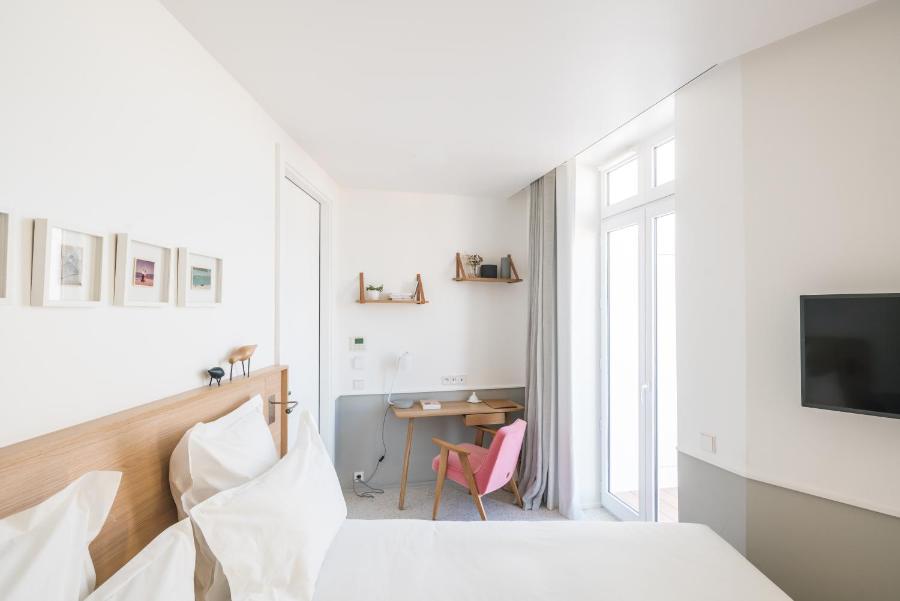
A desk can be particularly useful for travelers who combine leisure with professional responsibilities. A comfortable chair near a window can also provide a relaxing alternative to the bed.
Color can subtly reinforce the destination. Sand, cream, soft blue, muted green and warm natural wood can suggest the Mediterranean without making the room feel overly themed.
Natural daylight can be another defining characteristic. Large windows help connect the room with the city or coastline, while good curtains provide flexibility when guests need privacy or darkness.
Transportation should be considered alongside the hotel. Travelers who plan regional excursions can evaluate Car rentals in France according to their full itinerary, including collection locations, parking and the number of driving days.
A rental vehicle can provide useful flexibility for certain journeys, but travelers staying primarily within the city should consider whether the additional responsibilities of driving and parking are actually necessary.
How Marseille Hotel Rooms Can Feel Both Modern and Residential
Modern hotel design sometimes risks becoming too impersonal. Marseille accommodation can avoid this by incorporating warm materials, textured fabrics and residential-style furniture.
A wood headboard can add warmth to a white room. A comfortable armchair can provide personality. Open shelving can display carefully selected decorative objects while maintaining a sense of simplicity.
Lighting should be layered. Ceiling lights can provide general illumination, while bedside lamps and desk lighting allow guests to create smaller pools of light.
Bathrooms can continue the residential concept through warm finishes, generous mirrors and organized storage.
The objective is to create a room that feels immediately understandable. Guests should be able to enter, unpack, find their belongings, charge their devices and relax without having to learn a complicated environment.
The most comfortable modern rooms combine clean architecture with tactile materials. Natural wood, fabric, soft lighting and useful furniture can prevent minimalist interiors from feeling cold.
A French Countryside Alternative to Urban Hotel Rooms
Not every French journey needs to revolve around major cities. Travelers extending an itinerary into smaller destinations can discover accommodation with rustic architectural details, exposed stone, wooden beams and views of natural landscapes.
These rooms can provide a different interpretation of French hospitality. Instead of polished urban minimalism, the emphasis may be on authenticity, texture and a stronger relationship with the surrounding landscape.
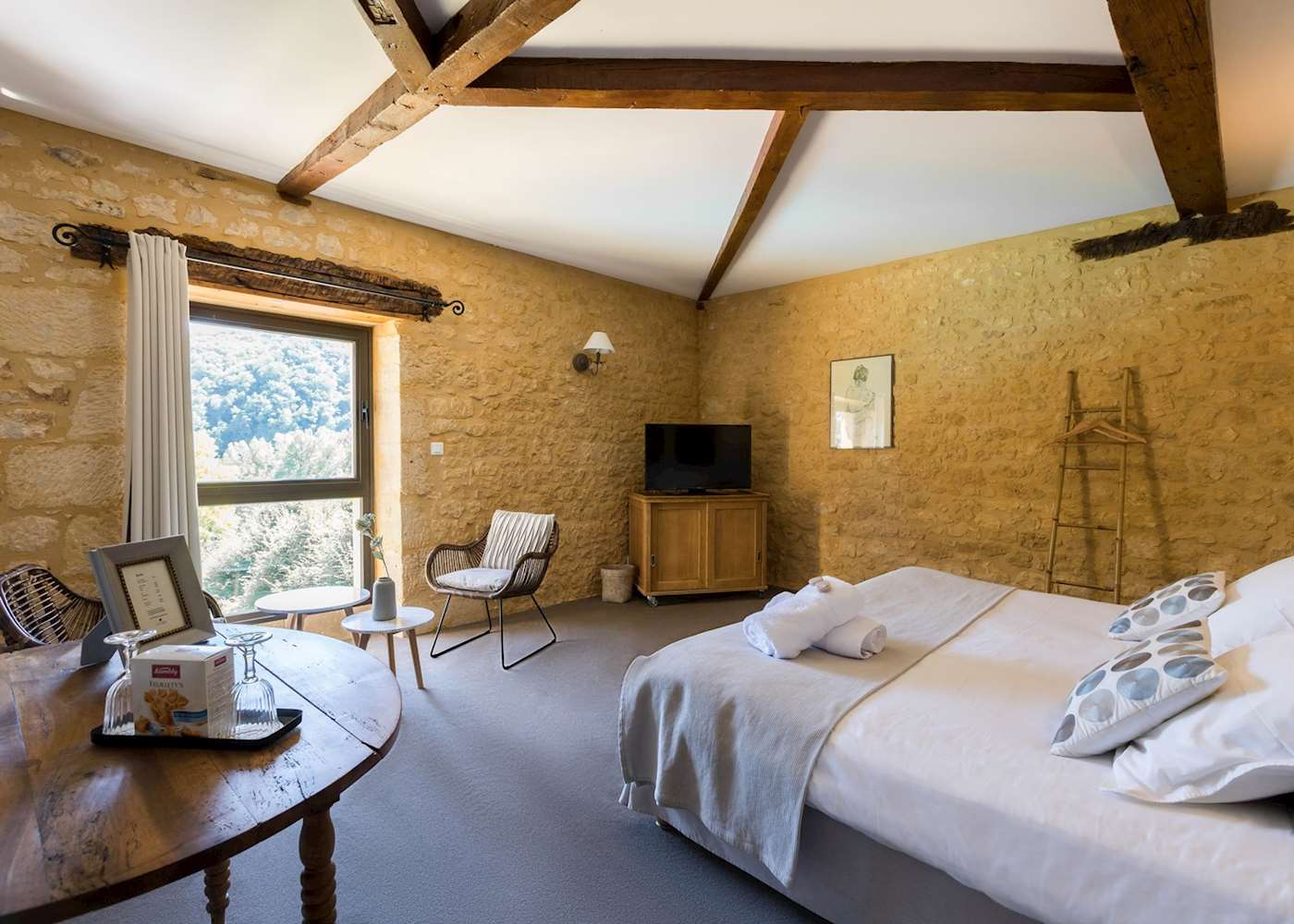
Such accommodation can be particularly appealing after several days in an urban environment. The contrast between city hotels and countryside rooms can add variety to a longer journey.
Room selection should still follow the same principles: evaluate floor area, sleeping comfort, bathroom facilities, heating or cooling, storage and transportation access.
The difference is that the surroundings become a more prominent part of the room experience. A large window overlooking fields or wooded landscapes can function almost like artwork.
How to Read Hotel Room Photographs Like a Professional
Hotel photography can create a strong first impression, but travelers should look beyond decoration. The position of furniture can reveal how much usable floor space remains after the bed and major pieces are installed.
Look at the distance between the bed and the walls. Examine whether there is space beside the bed for personal items. Check whether a chair appears genuinely usable or simply decorative.
Window proportions are another clue. Large windows can suggest excellent daylight, but the surrounding environment and orientation will determine the actual view.
Photographs of bathrooms should be examined with the same attention. Look for storage, counter space, shower dimensions and the relationship between fixtures.
It is also useful to compare several photographs of the same room category. One carefully staged photograph can emphasize the most attractive part of the room while leaving other areas unseen.
Travelers should therefore combine visual evidence with written specifications. Photographs answer the question, "How does this room feel?" Specifications answer the question, "What will I actually receive?"
The Importance of Room Layout
Two rooms with the same floor area can feel completely different because of their layouts. Furniture placement determines circulation, visual openness and practical usability.
A well-designed room creates clear pathways between the entrance, bathroom, wardrobe, bed and seating area. Guests should not have to navigate around unnecessary furniture.
The bed should generally have enough surrounding space to make getting in and out easy. Bedside tables should be positioned within comfortable reach.
A workspace should ideally receive useful lighting without blocking circulation. A chair should have enough space around it to allow comfortable movement.
Storage should be positioned where guests naturally need it. A wardrobe close to the entrance can make unpacking easier, while drawers beside the bed can hold smaller personal items.
Good layout is therefore almost invisible. Guests notice it because the room simply works.
Lighting: One of the Most Powerful Hotel Design Elements
Lighting changes the emotional character of a room throughout the day. Bright daylight can make a space feel energetic and open, while warm evening lighting can create a quieter atmosphere.
The best hotel rooms provide several layers of illumination. General lighting serves everyday movement, task lighting supports reading or working, and accent lighting highlights architectural or decorative elements.
Bedside lamps are particularly important because they allow guests to control the environment without leaving the bed.
Desk lighting should illuminate the working surface without producing harsh reflections on a screen.
Bathroom lighting should be bright enough for grooming while remaining visually comfortable.
Natural light should also be controlled with curtains or blinds. Travelers have different schedules, and the ability to darken the room can be essential for restful sleep.
- Check whether bedside lamps are available.
- Look for dedicated task lighting at the desk.
- Check whether the room has blackout curtains or blinds.
- Consider natural daylight and window orientation.
- Review bathroom lighting separately from bedroom lighting.
Why Bedding Remains the Center of Hotel Comfort
Regardless of how sophisticated the interior design may be, the bed remains the primary functional element of a hotel room.
Mattress support, pillow selection, bedding quality and bed dimensions all influence sleep quality. The surrounding environment matters as well, including temperature, darkness and noise.
A visually beautiful bed is not enough. The surrounding circulation should allow guests to enter and exit comfortably, and bedside surfaces should provide enough space for personal items.
Travelers sharing a room should also check the exact bed configuration. Terms such as double, queen, king and twin can have different implications depending on the property and country.
For families, additional sleeping arrangements should be checked carefully rather than assumed from photographs.
A good room integrates the bed with the rest of the layout so that sleeping remains comfortable without sacrificing workspace or seating.
Bathrooms and the Modern Hotel Experience
Bathrooms are among the most frequently used areas of any hotel room, so their design can strongly influence overall satisfaction.
A practical bathroom should have clear circulation, sufficient lighting, appropriate ventilation and enough space for toiletries.
Large mirrors can make compact bathrooms feel more open. Walk-in showers can simplify movement, while bathtubs may be valuable for travelers who specifically prefer them.
Counter space should be evaluated realistically. Travelers may need room for personal care products, electronic devices and other items.
Storage is equally important. Open shelves can make frequently used items accessible, while enclosed cabinets create a cleaner visual environment.
The best bathroom designs continue the visual language of the bedroom through coordinated materials and colors.
Hotel Storage: The Feature Travelers Often Notice Too Late
Storage can determine whether a hotel room remains comfortable throughout a trip. A room may look perfect on arrival, but once clothing, luggage and personal items are unpacked, insufficient storage becomes obvious.
Wardrobes should provide enough hanging space for the expected length of stay. Drawers can accommodate smaller clothing and accessories, while shelves can be useful for folded items.
A luggage bench is particularly practical because it prevents suitcases from occupying walking areas.
Long-stay travelers should pay even more attention to this feature. Living from a suitcase becomes less convenient when there is no place to unpack.
Storage can also improve the visual experience. When personal belongings are organized, the room remains calmer and more spacious.
Hotel Location and the Real Value of Time
Location should be evaluated in terms of daily travel time rather than simply distance on a map.
A hotel that is close to the attractions on an itinerary can reduce commuting and provide more time for exploration. However, the most central property is not always the most appropriate option.
Some travelers prefer quieter neighborhoods and are willing to spend additional time traveling. Others prefer to step outside the hotel and immediately access museums, shopping areas, restaurants and cultural landmarks.
The right balance depends on the purpose of the trip.
Location also influences transportation costs. A hotel farther from the main itinerary may require more taxi rides or public transportation, potentially changing the total cost of the stay.
For this reason, hotel price should never be considered separately from transportation and daily convenience.
Planning Flights and Hotel Arrival Together
International travelers should coordinate their flight schedule with their accommodation plan. Arrival time can influence the usefulness of early check-in, luggage storage and transportation access.
Travelers arriving through Paris can review Flights to Paris Charles de Gaulle Airport (CDG) while considering how the arrival time fits with the first hotel reservation.
An early arrival may require luggage storage before the room is ready. A late arrival may make a simple transportation connection more important.
Departure planning deserves the same attention. An early morning flight can make proximity to transportation more valuable than a hotel with additional leisure facilities.
The first and final days of a trip often feel different from the middle of the itinerary, so accommodation and transportation should be planned accordingly.
When Should Travelers Consider a Rental Car?
A rental car can provide flexibility when a French itinerary includes destinations that are difficult to reach efficiently by other means.
However, a car is not automatically necessary for every journey. Travelers should first identify the days when independent transportation will actually add value.
When comparing Car rentals in France, consider the pickup location, return location, rental duration, parking requirements and driving route.
Urban hotel stays can make parking particularly important. Before booking accommodation, travelers should confirm whether parking is available, whether reservations are required and whether additional charges apply.
Another useful strategy is to combine different transportation methods. A traveler may stay in central Paris without a car and rent a vehicle only when beginning a regional journey.
This can reduce unnecessary driving and simplify the urban portion of the trip.
Comparing Boutique Hotels and Larger Properties
Boutique hotels often focus on individuality. Their rooms may contain distinctive furniture, unique artwork and carefully selected materials that give the property a strong identity.
Larger hotels may provide a broader range of room categories and more extensive facilities. They can also offer more predictable service structures and greater capacity for groups.
The decision should be based on the traveler's requirements.
A couple seeking a distinctive atmosphere may be attracted to a boutique environment. A family may place greater importance on room configuration and available services. A business traveler may prioritize workspace and transportation.
Neither model needs to dominate the decision. The right hotel is the one that fits the trip.
Designing a Comfortable Room for Couples
Couples often value a balance between atmosphere and functionality. A comfortable bed is essential, but so are seating, lighting and privacy.
A small lounge area can provide a place to read or talk without using the bed as the only seating option.
Layered lighting can also change the mood of the room throughout the day. Soft bedside lamps can create a calmer evening environment, while brighter general lighting supports morning routines.
Bathroom privacy should be considered as well. Room layouts vary, and travelers should check whether the bathroom has a fully enclosed configuration or an open-plan arrangement.
For longer stays, couples may also appreciate generous storage so that luggage can be unpacked rather than left around the room.
Designing a Hotel Room for Families
Family travel creates different spatial requirements. Parents may need additional sleeping arrangements, while children benefit from accessible storage and sufficient circulation space.
Connecting rooms can provide more privacy and flexibility when available. Family rooms can also be useful when the configuration provides enough sleeping capacity without making the space feel crowded.
Bathrooms should be evaluated carefully because multiple travelers may need to use the space during the same morning routine.
Storage becomes particularly important for families because clothing, shoes and personal items can quickly occupy the available floor space.
Families should also consider the hotel's location. Shorter daily journeys can reduce logistical stress, especially when traveling with children.
Designing a Hotel Room for Solo Travelers
Solo travelers often have greater flexibility when selecting room size. A compact but intelligently designed room can provide everything needed for a short stay.
Location may become particularly valuable because a solo traveler can prioritize convenience without needing to accommodate the preferences of several people.
A comfortable bed, useful desk, good lighting and sufficient storage may provide more value than extensive additional facilities.
Safety and easy access can also be considered as part of the overall location decision.
For longer solo stays, a seating area can prevent the room from feeling repetitive and provide an alternative environment for reading or working.
Sustainable Hotel Design and Everyday Comfort
Sustainability can be integrated into hotel design without sacrificing comfort. Efficient lighting, durable materials, responsible water use and thoughtful climate control can support both environmental goals and guest convenience.
Natural daylight is an excellent example. It can improve the atmosphere of a room while reducing the need for artificial lighting during the day.
Durable furniture can also improve long-term quality. Well-made desks, chairs and storage systems remain functional despite frequent use.
Hotels can also reduce unnecessary complexity by choosing versatile furniture and materials that serve several purposes.
For travelers, sustainable design is often experienced through practical details rather than visible technology. A comfortable room that uses resources efficiently can provide an excellent balance between responsibility and hospitality.
The Role of Technology in Modern French Hotels
Technology has become an expected component of contemporary accommodation. However, useful hotel technology should simplify the guest experience rather than make it more complicated.
Accessible charging points are among the most valuable features. Travelers often carry several devices and need convenient locations near both the bed and workspace.
Reliable wireless connectivity supports navigation, communication, reservations and professional work.
Smart televisions can provide entertainment, while digital climate controls can allow guests to adjust the room according to their preferences.
The best technology tends to remain discreet. Travelers should not need extensive instructions simply to adjust lighting, temperature or television settings.
Hotels that integrate technology successfully make it feel like part of the architecture rather than an additional layer.
Creating a Multi-City French Hotel Journey
A multi-city trip can become more interesting when each hotel offers a different interpretation of French design.
Paris
Classic architecture, sophisticated urban interiors, tall windows, refined materials and central city convenience.
Nice
Mediterranean light, coastal views, balconies, relaxed colors and bright interiors.
Lyon
Historic buildings, contemporary functionality, practical workspaces and elegant urban character.
Marseille
Southern French atmosphere, natural materials, coastal influences and modern residential-style interiors.
This variety can make accommodation itself part of the journey. Instead of selecting identical rooms in every city, travelers can allow each destination to influence the style of the stay.
A classic Paris room can establish an urban beginning. A bright Nice room can introduce a Mediterranean rhythm. Lyon can provide a historic-modern contrast, while Marseille can conclude the itinerary with a relaxed southern atmosphere.
How to Calculate the Real Value of a Hotel
The nightly rate should be considered alongside the complete cost and convenience of the stay.
A hotel with a slightly higher rate may reduce transportation expenses if it is closer to the main itinerary. A larger room may be more valuable for a week-long stay than for one night.
Included breakfast, parking, internet access and luggage storage can also influence the practical value of a property.
Travelers should identify which features they will genuinely use. Paying more for facilities that will remain unused does not necessarily improve the travel experience.
Value is therefore personal and itinerary-dependent. The same hotel can provide very different value to two travelers because their schedules and requirements are different.
The Importance of a Quiet Sleeping Environment
Sleep quality can influence the entire travel experience. After long days of walking, sightseeing or professional meetings, travelers need a comfortable environment for recovery.
Noise can come from streets, corridors, elevators or neighboring rooms. Travelers who are sensitive to noise may want to consider room orientation and the hotel's overall design.
Soft furnishings can help reduce echo inside rooms and corridors. Carpet, curtains, upholstered furniture and other textiles can contribute to acoustic comfort.
Blackout curtains are equally useful. Even beautiful city views should be easy to block when guests need complete darkness.
Temperature control should also be simple and reliable. A room that is too warm or too cold can negatively affect sleep regardless of how attractive the design may be.
Hotel Check-In and the First Impression
The arrival experience sets the tone for the stay. Efficient check-in, clear directions and accessible luggage storage can make the first hours much easier.
Travelers arriving after long flights may value a simple process. Early arrivals may need luggage storage, while late arrivals may require clear instructions for accessing the property.
The transition from lobby to room should be intuitive. Elevators, corridors and room numbers should be easy to understand.
These details are rarely the focus of hotel photographs, but they have a strong influence on real-world convenience.
Why Interior Consistency Matters
A hotel feels more refined when its different areas share a coherent design language. The lobby, corridors, guest rooms and bathrooms do not need to be identical, but they should feel connected.
Repeated materials, colors or architectural references can establish this connection.
For example, a hotel may use natural wood throughout the property while changing the accent colors according to the room category.
Consistency also helps create a recognizable identity. Guests remember properties that feel intentional rather than assembled from unrelated decorative pieces.
This principle is especially valuable for boutique hotels, where the interior itself can become an important part of the property's identity.
Professional Hotel Room Inspection Checklist
Before finalizing accommodation, travelers can use a practical checklist to compare rooms consistently.
- Confirm the exact room category rather than relying on general property photographs.
- Check the room's floor area and compare it with the number of guests.
- Review the bed configuration and sleeping capacity.
- Examine the bathroom layout and available storage.
- Check whether there is a proper desk if work is required.
- Review charging points and connectivity.
- Consider window orientation and natural light.
- Check whether blackout curtains or blinds are available.
- Review the amount of wardrobe and luggage storage.
- Consider potential noise sources.
- Review climate-control facilities.
- Check transportation connections.
- Confirm parking arrangements if using a rental vehicle.
- Review check-in and check-out times.
- Compare the total cost of the stay rather than only the nightly rate.
Choosing Between City Views, Courtyard Views and Coastal Views
The view from a hotel room can influence the emotional character of the stay. A city view provides visual connection with urban life, while a courtyard view may emphasize privacy and quiet.
In coastal destinations, a sea view can become one of the defining features of the room. However, travelers should verify exactly what "sea view" means within the room description.
Partial views can differ significantly from direct views. Upper floors may also provide a different perspective from lower floors.
The view should therefore be considered alongside price. Travelers who spend little time in the room may prefer to allocate their budget toward location or room size rather than the outlook.
Guests planning a slower holiday, on the other hand, may place much greater importance on what they can see from the room.
Hotel Rooms as Temporary Personal Spaces
The best rooms allow guests to establish a temporary routine quickly. Clothing can be unpacked, electronics can be charged, work can be completed and the room can be restored to order without difficulty.
This is why thoughtful design is more valuable than excessive decoration. A beautiful room that does not provide sufficient storage or workspace can become inconvenient.
Residential-style design can be especially effective because travelers already understand how to use spaces such as desks, armchairs, wardrobes and bedside tables.
The goal is to create familiarity while preserving the distinctive character of the destination.
How French Hotel Design Uses Materials
Material selection can transform the atmosphere of a room. Wood creates warmth, stone suggests permanence, fabric adds softness and metal can introduce a modern accent.
Parisian interiors may use polished or traditional materials to complement historic architecture. Mediterranean hotels can emphasize natural textures and light finishes. Lyon properties may combine old masonry with contemporary materials, while Marseille accommodation can use wood and coastal textures to create warmth.
The combination of materials matters more than any individual material. Too many competing surfaces can create visual noise, while a carefully limited palette can feel sophisticated.
Texture also becomes important in neutral rooms. A cream wall can appear very different when combined with linen curtains, wool upholstery, natural wood and stone.
Why Seating Areas Matter
A bed should not always function as the only place to sit. A comfortable armchair, bench or small sofa can dramatically increase the versatility of a room.
Seating provides a place to read, make phone calls, plan the next day or simply relax.
In longer stays, the difference becomes even more noticeable. A separate chair creates a small change of environment without requiring the guest to leave the room.
Hotel designers can use seating to define zones. A chair near a window can create a reading corner, while a sofa beside a coffee table can establish a small lounge area.
Travelers should therefore look beyond bed size when comparing photographs. The amount and quality of seating can provide important clues about how comfortable the room will be throughout the day.
Planning Hotel Stays Around Different Travel Rhythms
Not every day of a trip has the same rhythm. Arrival days can be tiring, sightseeing days can be active, and free days can encourage guests to spend more time in the hotel or neighborhood.
Accommodation should ideally support these variations.
A comfortable room can provide recovery after a busy day, while a convenient location can make spontaneous exploration easier.
For a multi-city journey, travelers may also want to vary the pace. One destination can be focused on museums and urban exploration, while another can be devoted to relaxation.
Hotel design can reinforce these differences, making the journey feel more dynamic.
Accommodation and Transportation as One Planning System
Hotel and transportation decisions influence each other. A central hotel may reduce the need for a car, while a property outside a city center may make independent transportation more useful.
Travelers considering Car rentals in Paris should therefore consider whether the hotel offers convenient access to the road network and practical parking.
Similarly, travelers considering a regional journey from Nice should examine the relationship between the hotel and vehicle pickup locations.
The same logic applies across France. A hotel should make the transportation plan easier rather than forcing travelers to repeatedly cross the city simply to reach their next destination.
When accommodation and transportation are planned together, the itinerary becomes more efficient and predictable.
How to Choose the Right Hotel for a Short City Break
Short city breaks require efficient accommodation because travelers have limited time.
Location can therefore become a major consideration. A centrally positioned hotel may allow guests to reach several attractions without long journeys.
Room design should focus on the essentials: comfortable bedding, good lighting, practical storage and a functional bathroom.
Large facilities may be less important if the traveler plans to spend most of the day exploring.
Check-in efficiency can also matter. Short stays benefit from simple arrival procedures because every hour has greater value.
How to Choose the Right Hotel for a Long Stay
Long stays require a different approach. Room dimensions, storage, seating and workspace become more important because guests spend more time in the accommodation.
A kitchenette or additional living space can be useful in certain extended-stay properties.
Neighborhood convenience also becomes important. Travelers may prefer access to supermarkets, transportation and everyday services rather than being located directly beside tourist attractions.
Housekeeping arrangements should also be understood before booking a long stay, as service frequency can vary.
The objective is to create a comfortable temporary home rather than simply a place to sleep.
Hotel Design for Travelers Who Work Remotely
Remote work has changed how some travelers evaluate hotel rooms. A strong internet connection is necessary, but it is not enough.
The room should ideally provide a proper working surface, supportive seating, suitable lighting and enough electrical outlets.
Natural light can also improve the working environment, while curtains allow the traveler to control glare on screens.
Acoustic comfort is important during online meetings. A quiet room can reduce interruptions and make professional communication easier.
Once work is finished, a separate seating area can help create a psychological distinction between professional and personal time.
The Relationship Between Color and Hotel Atmosphere
Color can influence how a room feels even when furniture and architecture remain unchanged.
Neutral shades can create a calm foundation. Warm beige and cream can introduce softness, while blue and green accents can suggest a coastal or natural environment.
Darker colors can create depth when used carefully, particularly on headboards, furniture or accent walls.
Parisian rooms may use sophisticated neutral palettes with metallic or traditional accents. Nice and Marseille can incorporate subtle Mediterranean tones, while Lyon interiors can use warmer colors to complement historic materials.
The strongest palettes usually avoid excessive contrast. Instead, they establish a hierarchy in which one or two accent colors support the main neutral foundation.
Creating a Refined Hotel Experience Without Excess
Luxury does not require visual excess. In many contemporary hotel rooms, refinement comes from restraint.
Furniture is carefully selected, decorative objects are limited and materials are allowed to speak for themselves.
Comfortable textiles can create richness without requiring large decorative installations. Good lighting can transform an ordinary space without changing the furniture.
Storage can keep the room visually clean, while clear circulation makes the space feel larger.
This philosophy is particularly useful for travelers who prefer modern design. A room can feel sophisticated while remaining simple, functional and easy to live in.
Frequently Asked Questions About French Hotel Rooms
What makes a French hotel room feel luxurious?
Luxury can come from comfortable bedding, thoughtful lighting, quality materials, good proportions, practical furniture, strong sound control and a cohesive interior design.
Should I prioritize hotel location or room size?
It depends on the itinerary. Active city trips often benefit from convenient locations, while longer stays may justify additional room space.
What should I check when choosing a Hotel in Paris?
Review location, room dimensions, views, sound considerations, storage, bathroom layout, transportation and the exact room category.
What is important when choosing a Hotel in Nice?
Natural light, views, balconies or terraces, climate control, room size and access to the areas included in the itinerary are useful considerations.
What makes Hotels in Lyon interesting?
Lyon accommodation can combine historic architecture with contemporary interiors, creating rooms that balance character and modern functionality.
What should travelers consider when booking Hotels in Marseille?
Consider location, coastal surroundings, room orientation, natural light, parking and transportation requirements.
Do I need a car when traveling in France?
Not necessarily. The usefulness of a rental vehicle depends on the cities visited, regional excursions, parking and the overall itinerary.
What matters most during a long hotel stay?
Storage, seating, room dimensions, workspace, bathroom functionality and neighborhood convenience become increasingly important.
Are boutique hotels suitable for families?
Some are, but families should verify room capacity, sleeping configurations, connecting-room options and available services.
How can hotel photographs be evaluated?
Look at room proportions, furniture placement, windows, seating, storage and bathroom design, then compare those observations with the written room specifications.
Are Car rentals in Nice useful for regional exploration?
They can be useful when the itinerary includes multiple destinations outside the city. Travelers should compare driving time, parking and the number of days a vehicle is required.
What is the best way to compare hotel categories?
Compare actual floor area, bed configuration, views, bathroom facilities, storage, included services and location instead of relying only on room names.
A Practical Hotel Booking Framework
A professional hotel search becomes easier when the process is divided into clear stages.
- Define the destination and the main purpose of the trip.
- Identify the neighborhoods that best support the itinerary.
- Set the required room size and sleeping configuration.
- Separate essential features from optional amenities.
- Compare room photographs with written specifications.
- Check transportation access and parking requirements.
- Calculate the complete accommodation cost.
- Review arrival and departure logistics.
- Consider how the room will be used during the day.
- Choose the category that matches the actual travel requirements.
This method avoids making decisions based solely on attractive photographs or promotional descriptions.
Travelers can begin with Hotel options and then narrow the search according to destination, room type, transportation and travel style.
Why Accommodation Can Become Part of the Destination
A hotel can provide a subtle introduction to the character of a city. Architecture, colors, furniture and views can reinforce what travelers experience outside the property.
Paris can express refinement through classic architectural details. Nice can emphasize natural light and coastal calm. Lyon can combine historical elements with modern design. Marseille can use Mediterranean materials and warm contemporary interiors.
When accommodation reflects its surroundings, travelers may feel more connected to the destination even while inside the hotel.
This does not mean every property should use obvious thematic decoration. The most successful approach is often subtle, using materials, proportions and colors that complement the local environment.
Planning the Complete French Hotel Journey
A well-organized itinerary connects flights, hotels, transportation and daily activities.
Travelers beginning in Paris can coordinate arrival through Charles de Gaulle Airport with the first hotel reservation. Those continuing toward other cities can consider whether a rental vehicle becomes useful later in the itinerary.
A traveler may stay in central Paris without a car, continue to Nice, explore regional destinations using a vehicle, and then return to an urban hotel before departure.
This kind of planning avoids unnecessary transportation costs and makes each hotel selection more purposeful.
The accommodation should always be evaluated as part of the journey rather than as an isolated purchase.
Maintaining Comfort Across Multiple Hotels
Multi-city travelers may want to establish a few non-negotiable standards for every hotel.
- Comfortable bed and appropriate sleeping configuration.
- Reliable internet access.
- Useful charging points.
- Functional bathroom.
- Adequate storage.
- Effective climate control.
- Convenient transportation.
- Clear check-in arrangements.
Other preferences can change according to the destination. A Paris stay may prioritize location, a Nice stay may emphasize outdoor space, a Lyon stay may focus on workspace and a Marseille stay may prioritize Mediterranean surroundings.
This approach creates consistency without making every hotel feel identical.
What Makes a Hotel Room Photogenic and Functional?
Good hotel photography often reflects good interior organization. Clear circulation, balanced furniture and strong natural light make a room attractive in photographs while also improving its everyday usability.
However, a photogenic room is not automatically functional. Travelers should look for practical details that may not be emphasized in promotional photography.
A beautiful bed should still have sufficient space around it. An attractive desk should still be large enough for work. A large window should still provide privacy controls.
The strongest hotel rooms achieve both goals: they photograph beautifully because they are well designed, and they function well because every element has a purpose.
The Final Hotel Comparison Checklist
| Category | Questions to Ask Before Booking | Why It Matters |
|---|---|---|
| Location | Does the hotel reduce daily travel time? | Creates more time for sightseeing, work or relaxation. |
| Room Size | Is the floor area suitable for the number of guests? | Determines circulation and everyday comfort. |
| Bed | Does the configuration meet the travelers' needs? | Supports restful sleep and privacy. |
| Bathroom | Is there enough space, lighting and storage? | Influences daily convenience. |
| Storage | Can clothing and luggage be organized? | Prevents the room from becoming cluttered. |
| Workspace | Is there a proper desk if required? | Supports business and remote work. |
| Lighting | Are general, task and bedside lights available? | Allows the room to adapt to different activities. |
| View | Does the room have the expected orientation? | Can significantly influence the atmosphere. |
| Transportation | Can the hotel support the complete itinerary? | Reduces unnecessary travel and logistical friction. |
| Cost | What is the complete cost including relevant extras? | Provides a more realistic comparison between properties. |
Building a Sophisticated Hotel Experience in France
The most successful hotel selection process is based on alignment. The room should align with the number of guests, the location should align with the itinerary, the facilities should align with the travel style and the design should align with the atmosphere the traveler wants to experience.
France makes this process especially interesting because every destination can offer a different interpretation of hospitality.
Paris introduces architectural elegance and urban sophistication. Nice provides Mediterranean brightness and coastal relaxation. Lyon combines historic character with contemporary practicality. Marseille introduces a southern atmosphere where natural materials, light and modern design can work together.
Travelers can compare Hotels & Resorts in France according to these differences, then select accommodation that supports the actual rhythm of the journey.
Transportation can be integrated into the same plan. Travelers can review Car rentals in Nice when planning regional exploration, while those extending their journey through several regions can compare Car rentals in France according to their route.
The goal is not to create an unnecessarily complicated itinerary. It is to make each decision support the next one.
The Professional Approach to Selecting Hotel Accommodation
A professional approach does not begin with the most attractive photograph. It begins with the requirements of the trip.
First, determine where the traveler needs to be. Then establish how many people will share the room, how long they will stay and how much time they expect to spend inside the hotel.
Next, identify essential facilities. A family may require connecting rooms. A professional traveler may need a desk. A couple may value a balcony or lounge area. A solo traveler may prioritize central access.
Once those requirements are clear, photographs and room descriptions become much easier to interpret.
This approach also reduces the risk of paying for features that do not improve the actual trip.
Good hotel selection is therefore a combination of design awareness, practical planning and destination knowledge.
The Future of Hotel Room Design
Modern hotel design continues to move toward flexible spaces that combine comfort, technology and residential qualities.
Travelers increasingly expect rooms to support multiple activities. The same space may need to function as a bedroom, workspace, reading area and private relaxation zone.
Furniture can therefore become more adaptable. Lighting systems can offer multiple settings. Charging points can be integrated into bedside furniture. Storage can become more discreet and efficient.
At the same time, destination identity remains important. Travelers do not necessarily want rooms that look identical around the world. They often value subtle connections with the architecture, materials and atmosphere of the location.
French hotels have an opportunity to combine this modern flexibility with the country's strong architectural and design traditions.
Frequently Asked Questions About Planning a French Hotel Stay
How early should travelers compare hotel rooms?
Timing depends on destination, season and travel dates. The important point is to compare room categories and locations before making a final decision rather than focusing only on availability.
Is a hotel with a larger room always more comfortable?
Not necessarily. Layout, furniture quality, lighting, storage and location can make a smaller room highly comfortable.
Should travelers pay more for a view?
That depends on how much time they expect to spend in the room and how important the view is to the overall travel experience.
What is more important for a short Paris trip?
Convenient location, comfortable bedding, efficient check-in and a practical room can be particularly useful when the itinerary is short.
What is important for an extended Nice stay?
Storage, seating, natural light, outdoor space, bathroom functionality and neighborhood convenience can become increasingly valuable.
What should business travelers prioritize in Lyon?
A proper desk, supportive chair, reliable connectivity, accessible charging and convenient transportation can support a productive stay.
What creates a relaxing Marseille hotel room?
Natural materials, soft lighting, comfortable bedding, uncluttered furniture and a connection with Mediterranean surroundings can contribute to a relaxed atmosphere.
Can one hotel work for every type of traveler?
Some properties are highly versatile, but room requirements vary significantly between solo travelers, families, couples and business guests.
A Refined French Hotel Experience Begins With the Room
The guest room is where travelers begin and end each day. It is where they recover after walking through historic streets, prepare for meetings, organize the next stage of the itinerary and eventually return to sleep.
That makes the room much more important than its square footage or decorative appearance alone.
A successful hotel room creates an effortless relationship between comfort and function. The bed supports rest, the lighting supports different activities, storage keeps personal belongings organized, the bathroom supports daily routines and the surrounding architecture creates atmosphere.
When these elements are combined with a well-chosen location, accommodation becomes one of the strongest foundations of a successful French journey.
Travelers can begin by comparing destinations, then evaluate room categories, transportation and practical requirements before making the final booking decision.
The result is a hotel experience that feels intentional from arrival to departure: comfortable enough for rest, functional enough for everyday needs and distinctive enough to become part of the memories created in France.
Comments
Post a Comment