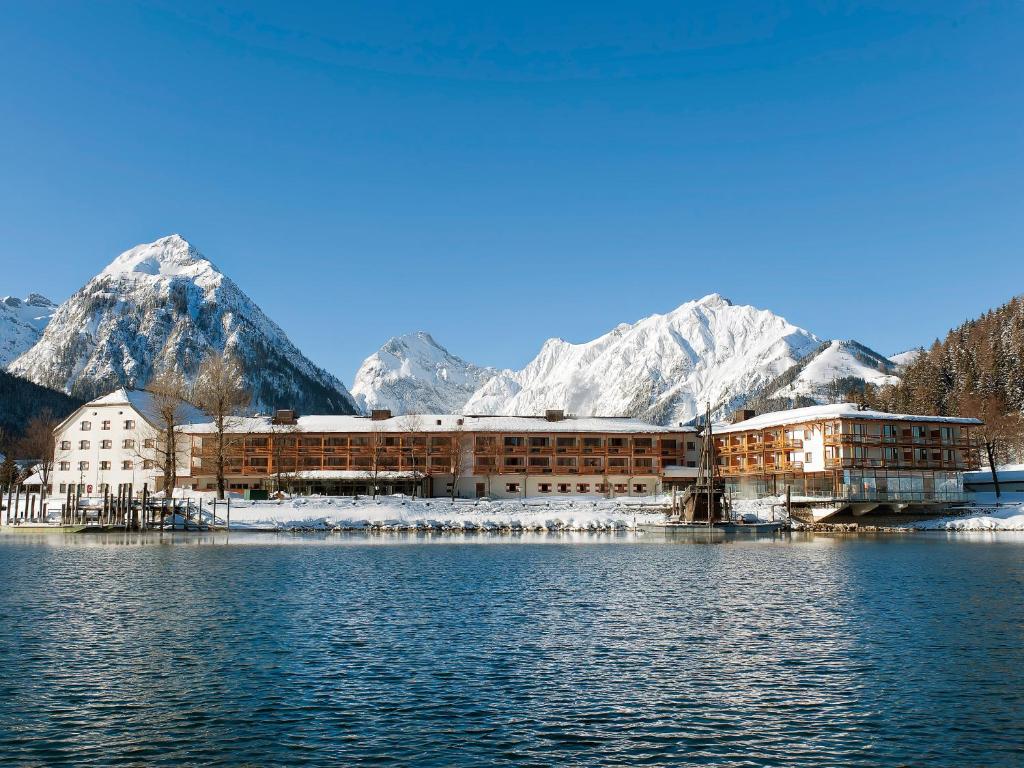
Austria Hotel Escapes: How to Plan a Refined Stay Across Austria’s Most Captivating Destinations
The Art of Choosing Accommodation in Austria
A successful Austrian holiday begins long before arrival. The choice of hotel influences transportation, sightseeing, daily schedules, dining opportunities and even the pace of the entire journey. Austria is especially interesting because accommodation can range from refined city properties in historic neighborhoods to mountain retreats surrounded by forests, lakes and impressive Alpine scenery.
For that reason, hotel selection should not be reduced to comparing nightly prices. A professional approach considers location, room configuration, transportation, facilities, atmosphere, flexibility and the purpose of the trip. A traveler visiting Vienna for museums will have different priorities from a family planning several days in the mountains. Likewise, a couple looking for a quiet retreat may value privacy and scenery more than proximity to a busy shopping district.
Travelers beginning their search can explore Hotels & Resorts in Austria as part of the process of comparing destinations, accommodation styles and travel requirements.
Austria is particularly rewarding when accommodation is selected as part of a complete itinerary. Instead of booking a room first and attempting to organize everything around it later, travelers can begin with the destinations they want to experience and then identify hotels that support those plans.
Accommodation Specifications, Functions and Key Advantages
| Accommodation Category | Main Function | Important Features | Suitable Travel Style |
|---|---|---|---|
| Luxury City Hotel | Premium urban base | Central location, refined rooms, professional service, dining and wellness facilities | Couples, business travelers, premium city breaks |
| Boutique Hotel | Distinctive accommodation experience | Individual design, character, smaller scale and personalized atmosphere | Design-conscious travelers and couples |
| Alpine Resort | Mountain-focused holiday | Scenic surroundings, wellness facilities, leisure areas and outdoor access | Families, nature lovers and active travelers |
| Wellness Hotel | Relaxation-focused stay | Spa facilities, pools, relaxation areas and wellness programs | Guests seeking rest and rejuvenation |
| Family Hotel | Practical group accommodation | Family rooms, useful services, convenient access and flexible arrangements | Families traveling with children |
| Historic Hotel | Cultural accommodation | Traditional architecture, heritage details and distinctive interiors | Culture and architecture enthusiasts |
Strategic Location
A hotel in the right location can reduce unnecessary transportation and provide easier access to attractions, restaurants, public transportation and local neighborhoods.
Comfortable Facilities
Comfortable beds, practical bathrooms, reliable connectivity, appropriate room sizes and useful guest services can have a major influence on the overall experience.
Flexible Planning
Accommodation that fits naturally into the itinerary allows travelers to spend more time exploring and less time solving transportation or logistical problems.
Why Location Should Come Before Decoration
Hotel photographs can be persuasive, but location remains one of the most important practical factors. An impressive interior may look appealing online, yet a hotel far from the areas you plan to visit can require additional transportation every day.
This becomes particularly relevant during short trips. If the itinerary lasts only three or four days, spending substantial portions of each day traveling between accommodation and attractions can reduce the amount of time available for exploration.
For longer holidays, the calculation changes slightly. Travelers may have more time to enjoy the hotel itself, and a quieter property outside a city center may become attractive. The right decision therefore depends on how the accommodation will actually be used.
A useful question is simple: will the hotel mainly be a base for exploration, or will the hotel itself be part of the holiday experience? The answer can immediately narrow the available choices.
Vienna: Selecting a Hotel for an Elegant City Experience
Hotels in Vienna
Vienna is an excellent destination for travelers interested in architecture, museums, cultural venues, historic streets, public parks and sophisticated urban experiences. The city also offers a broad range of accommodation, allowing travelers to select according to location, atmosphere and budget.
When comparing Hotels in Vienna, the first question should be how much of the trip will be spent exploring the central districts. Travelers planning an intensive sightseeing schedule may value proximity to major attractions and convenient transportation.
Visitors staying longer may prefer a quieter neighborhood with good public transport. Such a location can provide a more residential atmosphere while preserving access to the main areas of interest.
Planning a Vienna Hotel Stay
Vienna works particularly well for travelers who prefer a structured city itinerary. Museums, historic buildings, shopping areas, cafés and public spaces can be combined into daily routes that minimize unnecessary travel.
For a short stay, a centrally positioned hotel can simplify the schedule. Guests can leave in the morning, explore several nearby attractions and return without spending excessive time on transfers. This can also make it easier to return to the hotel during the afternoon.
For longer stays, travelers can broaden their search. The priority may shift from maximum centrality toward room size, neighborhood character, breakfast quality, wellness facilities or a quieter atmosphere.
Business travelers may focus on internet connectivity, desk space and transportation. Couples may prioritize design and atmosphere. Families may need larger rooms and simple access to parks, restaurants and public transportation.
Features Worth Checking in Vienna
- Distance to public transportation.
- Walking access to the main areas on the itinerary.
- Room size and sleeping configuration.
- Breakfast schedule and dining options.
- Internet quality and workspace.
- Luggage storage facilities.
- Check-in and check-out arrangements.
- Neighborhood atmosphere during the evening.
Salzburg: A Hotel Base Surrounded by Character
Hotels in Salzburg
Salzburg has a distinctive identity shaped by historic architecture, cultural traditions, scenic landscapes and an atmosphere that encourages travelers to slow down and explore on foot.
Visitors comparing Hotels in Salzburg can consider properties near the historic center as well as accommodation in quieter surrounding areas.
A central hotel may be particularly useful for short visits because it can place important sights within a manageable walking route. A quieter property may be preferable for travelers who want more space, scenic surroundings or a peaceful evening environment.
Choosing a Salzburg Location
The ideal location depends on the purpose of the visit. Travelers interested in architecture and cultural attractions may appreciate central accommodation, while visitors planning regional excursions may value transportation access and parking.
Salzburg can also serve as a useful base for exploring nearby areas. When the itinerary includes day trips, the hotel should be evaluated according to the complete route rather than only the city center.
Families may appreciate easy access to open spaces and restaurants. Couples may prioritize historic surroundings and distinctive architecture. Travelers staying several nights may prefer a quieter area where they can relax after a full day of sightseeing.
Creating a Comfortable Salzburg Schedule
One advantage of staying in a well-positioned hotel is the ability to create flexible days. Travelers can begin with a morning walk, continue with cultural attractions and return to the accommodation before deciding how to spend the evening.
This flexibility can be especially valuable when weather conditions change. Instead of following a rigid route across the entire city, travelers can adjust their plans around their hotel's location.
Innsbruck: Accommodation Between the City and the Mountains
Hotels in Innsbruck
Innsbruck offers an unusual combination of urban convenience and Alpine scenery. Travelers can enjoy historic architecture and city attractions while remaining close to dramatic mountain landscapes.
When researching Hotels in Innsbruck, consider how the hotel connects to the activities planned for each day.
A city-center hotel can be convenient for sightseeing and dining, while a property in a quieter location may appeal to travelers who want scenic surroundings and easier access to outdoor activities.
Accommodation for Active Travelers
Active travelers should examine practical facilities rather than focusing exclusively on visual design. Storage, transportation access, parking and comfortable spaces for preparing for the next day's activities can be valuable.
Seasonal considerations can also affect the decision. Travelers planning outdoor activities should examine the accessibility of their chosen location and consider how easily they can reach the relevant starting points.
For families, room layouts and breakfast schedules can be particularly important. Couples may prefer a smaller property with an intimate atmosphere, while longer-stay travelers may benefit from additional in-room facilities.
Combining City Exploration and Alpine Experiences
The strongest feature of an Innsbruck stay is the ability to combine different travel styles. A morning can be dedicated to urban exploration, while the afternoon can shift toward mountain scenery or outdoor activities.
This makes hotel location particularly strategic. Travelers should determine which side of the experience will dominate the itinerary and select accommodation accordingly.
Graz: An Attractive Alternative for a Broader Austrian Journey
Hotels in Graz
Graz provides travelers with another perspective on Austria. Its historic character, cultural attractions, public spaces and regional connections make it useful for visitors who want to expand their itinerary beyond the most familiar destinations.
When comparing Hotels in Graz, travelers should consider whether their priority is central sightseeing, business convenience, transportation access or a quieter residential environment.
A central property can simplify walking-based exploration, while accommodation farther from the core may provide different advantages such as parking, space or a calmer atmosphere.
Who Can Benefit From a Graz Stay?
Graz can suit travelers who enjoy architecture, museums, local neighborhoods and a more relaxed urban pace. It can also fit naturally into longer routes across Austria.
Business visitors may place greater importance on workspace, Wi-Fi and transport connections. Leisure travelers may be more interested in neighborhood character, room design and access to cultural attractions.
The important point is to match hotel facilities with actual needs. A long list of amenities has little value if the traveler will not use them.
Luxury Accommodation Without Complicating the Itinerary
Luxury hotels in Austria can range from refined urban properties to sophisticated Alpine retreats. Some emphasize historic architecture, while others use contemporary interiors, expansive windows and natural materials.
When evaluating premium accommodation, it is useful to look beyond the category label. Service, location, room quality, wellness facilities, dining, privacy and transportation can all contribute to the overall experience.
Travelers planning a special holiday may decide to allocate more of the accommodation budget to one memorable property and select practical hotels elsewhere. This approach can create variety while keeping the complete trip organized.
The goal is not simply to maximize the number of luxury features. The goal is to select features that have genuine value within the planned itinerary.
Boutique Hotels and Distinctive Design
Boutique accommodation can be especially appealing to travelers who value individuality. Instead of a standardized atmosphere, boutique properties often emphasize architecture, local character, carefully selected furnishings and a smaller-scale guest experience.
Austria's combination of historic buildings and modern design provides an interesting setting for this accommodation style. Travelers can sometimes find properties that preserve traditional elements while introducing contemporary comfort.
However, design should always be considered alongside practical factors. A beautiful room does not automatically provide the best location or the most convenient transportation.
Before booking a boutique hotel, review the room size, elevator access, luggage arrangements, breakfast schedule and distance to the places you intend to visit.
Family Hotels and Practical Accommodation
Family travel introduces additional considerations because accommodation needs to work for more than one travel rhythm. Parents may want convenient meal options, while children may need enough room to move comfortably.
Before confirming a room, check the maximum occupancy, bed configuration and availability of additional sleeping arrangements. Clear information can prevent unpleasant surprises at check-in.
Location also matters because families may spend more time moving between attractions. A hotel near transportation or suitable dining options can simplify daily logistics.
Wellness Hotels and Relaxation-Focused Trips
Austria's natural landscapes create a strong setting for wellness-oriented travel. Some hotels emphasize pools, relaxation areas, spa treatments and quiet environments, while others combine wellness with hiking, cycling or seasonal outdoor activities.
Travelers should identify the facilities they actually value. A property with a large wellness area may be unnecessary for someone who plans to spend most of the day sightseeing, while it can become central to the experience for someone planning a dedicated relaxation trip.
The surrounding environment should also be considered. A peaceful Alpine setting can contribute significantly to a wellness-focused holiday, but it may require more transportation if the itinerary includes frequent city visits.
Planning Transportation Around Your Accommodation
Accommodation and transportation should be treated as connected decisions. Choosing a hotel without considering how you will reach it and move around can create avoidable complications.
Travelers who plan to visit several regions can investigate Car rentals in Austria when flexibility is important.
A rental vehicle may be useful for countryside routes, smaller destinations and itineraries that involve multiple stops. However, city travelers should consider parking, traffic conditions and whether the vehicle will actually be used.
The most practical solution is not always the same for every destination. A car may be useful for an Alpine route while unnecessary during several days in a major city.
When Renting a Car Can Add Flexibility
A vehicle can make it easier to organize a route around personal departure times and regional destinations. Families with luggage may also appreciate the convenience of traveling directly between accommodation and destinations.
Before selecting a rental vehicle, travelers should review the applicable rental terms, insurance requirements, fuel policy, collection arrangements and parking considerations.
The vehicle should also match the itinerary. There is little benefit in renting a car for a city-focused holiday if it will remain parked most of the time.
Flights and the First Hotel of the Journey
Flight planning is another part of the accommodation strategy. The airport where a traveler arrives can influence the first hotel, transportation requirements and the overall route.
Travelers arranging their journey can compare Flights to Austria alongside their accommodation and transportation plans.
A useful approach is to establish the arrival point first, identify the first destination and then build the rest of the route logically. This can reduce unnecessary backtracking.
Departure planning should follow the same principle. The final hotel should provide a practical connection to the airport or onward transportation.
Building a Multi-Destination Austrian Itinerary
Austria is well suited to multi-destination travel because its cities and regions offer different experiences. Travelers can combine urban culture with mountain scenery, historic districts and peaceful countryside.
The main challenge is managing hotel changes. Moving between properties too frequently can consume time that would otherwise be spent exploring.
A more efficient strategy is to select several strategic bases and explore surrounding areas when practical. This creates variety without turning the holiday into a constant sequence of check-ins and check-outs.
A Professional Planning Sequence
- Identify the cities and regions that match the trip.
- Determine how many nights each destination deserves.
- Map the transportation between destinations.
- Select neighborhoods or areas that support the daily itinerary.
- Compare hotel room categories and facilities.
- Review cancellation, payment and check-in policies.
- Confirm transportation and hotel details together.
- Keep enough flexibility for unexpected schedule changes.
How to Compare Hotels Like a Professional
Professional hotel comparison requires consistent criteria. If one property is evaluated only by price and another only by design, the result will not provide a meaningful comparison.
Begin with essential requirements. These might include location, room capacity, accessibility, parking, breakfast, internet access, transportation and a specific wellness facility.
Then identify secondary preferences such as architecture, views, restaurant options, neighborhood atmosphere and additional services.
Finally, compare the complete value of the stay. A hotel with a slightly higher nightly rate may reduce transportation expenses or provide facilities that would otherwise require additional spending.
Understanding Room Categories
Room selection can have a significant influence on comfort. Travelers should review bed configuration, occupancy, room dimensions and the practical arrangement of the space.
For families, sleeping arrangements should be confirmed carefully. Couples may prefer larger rooms, balconies or scenic views, while business travelers may require a proper workspace.
Longer stays make storage especially important. A room that feels perfectly adequate for a weekend may become less comfortable after several days if luggage cannot be organized efficiently.
Travelers should also check whether the selected room is accessible by elevator and whether any additional charges apply to extra guests or services.
Breakfast, Dining and Daily Convenience
Breakfast is more than a meal when it comes to travel planning. Its schedule can influence early excursions, sightseeing routes and morning transportation.
Guests with busy schedules may appreciate flexible breakfast hours. Travelers planning a slower holiday may value a relaxed environment and a wider range of options.
The surrounding neighborhood matters as well. A hotel with fewer dining facilities can still be highly convenient if restaurants and cafés are located nearby.
Conversely, a remote resort may benefit from strong in-house dining because guests have fewer alternatives nearby.
Seasonal Planning for Austrian Hotels
Austria changes significantly throughout the year, and hotel priorities can change with the season. Warm-weather travelers may focus on outdoor access, walking routes, lakes and terraces.
During colder periods, indoor comfort, heating, wellness facilities, storage and convenient transportation may become more important.
Travelers should also consider daylight hours and weather conditions when designing daily routes. A well-positioned hotel provides greater flexibility when outdoor plans need to change.
Creating a Balanced Accommodation Budget
A realistic hotel budget should include more than the advertised nightly price. Transportation, parking, meals, additional facilities and local travel can all influence the final cost.
For example, a centrally located hotel may have a higher nightly rate but reduce daily transportation. A resort may cost more while including facilities that would otherwise require separate payments.
The most useful comparison is therefore the total cost of the experience. Travelers should consider how the hotel affects the rest of the itinerary before judging whether a room represents good value.
Accessibility and Special Practical Requirements
Travelers with specific accessibility needs should confirm the exact features of a hotel before arrival. General descriptions may not provide enough information about entrances, elevators, bathrooms or room layouts.
The same principle applies to travelers with unusually large luggage, mobility considerations or specific room requirements. Direct confirmation with the property can provide greater clarity.
Careful preparation can prevent avoidable difficulties and make the entire journey more comfortable.
Using Hotel Location to Improve the Daily Schedule
The best hotel location is the one that supports the actual itinerary. "Central" is not automatically synonymous with "ideal." A traveler focused on museums may need a different location from someone focused on mountain excursions.
Travelers should identify the attractions that matter most and then consider how long it will take to reach them from potential accommodation.
A hotel can also serve as a strategic midpoint during a long day. Being able to return briefly for a rest can make an ambitious itinerary more manageable.
Accommodation for Couples
Couples often consider atmosphere, privacy, room comfort and location when selecting accommodation. Boutique properties can be attractive because of their individual character, while luxury hotels may appeal to travelers seeking a more refined experience.
Vienna can provide an elegant urban environment, Salzburg offers historic surroundings, Innsbruck combines city and mountain scenery, and Graz provides a distinctive cultural atmosphere.
The right hotel depends on what the couple wants the accommodation to contribute to the trip. Some travelers want a practical base, while others want the property to become part of the experience.
Accommodation for Longer Stays
Longer stays require a broader evaluation than short breaks. Storage, laundry, workspace, room size and neighborhood services can become increasingly important.
Travelers staying for a week or more may benefit from being close to supermarkets, public transportation and everyday services.
Apartment-style accommodation or hotels with additional in-room facilities can also be considered when they provide meaningful advantages for the length of the stay.
Designing a Premium Austrian Journey
A premium holiday does not necessarily require the most expensive property at every stop. Instead, travelers can decide where premium accommodation will contribute most strongly to the overall experience.
For example, one memorable Alpine retreat can be combined with comfortable city hotels that provide excellent locations. This creates variation and can help maintain control over the total accommodation budget.
The most effective premium strategy is to invest in features that will actually be experienced rather than paying for facilities that remain unused.
Common Hotel Booking Mistakes to Avoid
One frequent mistake is choosing a hotel entirely because of attractive photographs. Images communicate design, but they may not reveal distance, room dimensions, neighborhood conditions or transportation.
Another mistake is selecting the lowest room rate without calculating the cost of reaching attractions. Transportation can quickly change the overall value of a hotel.
Travelers also sometimes choose properties with extensive facilities even though their itinerary leaves no time to use them. A hotel should support the journey rather than compete with it.
Finally, changing hotels too frequently can reduce the amount of time available for sightseeing. Strategic bases are often more efficient for multi-city travel.
Digital Research and Destination-Focused Searches
Online research has made it easier to compare accommodation before committing to an itinerary. However, a broad search can become overwhelming when hundreds of properties appear at once.
A destination-focused strategy is more efficient. First identify the city or region, then narrow the results using location, accommodation type, room requirements and facilities.
Travelers can repeat the same criteria for each destination, creating a consistent comparison across Vienna, Salzburg, Innsbruck, Graz and other Austrian regions.
Creating an Efficient First Visit to Austria
First-time visitors can simplify their planning by deciding what type of experience they want before selecting individual hotels. Some travelers want major cultural attractions, while others want mountains, lakes, wellness or a mixture of experiences.
Once the travel style is clear, accommodation becomes easier to evaluate. City-focused travelers can prioritize transportation and central locations. Nature-focused travelers can look for scenic surroundings and outdoor access.
A mixed itinerary may require several accommodation styles. There is no requirement for every hotel on the journey to offer the same experience.
Why Flexible Planning Matters
Even a carefully planned itinerary can change. Weather, transportation schedules, opening hours or personal energy levels can affect daily plans.
Hotels in convenient locations provide more flexibility because travelers have more alternatives when circumstances change.
This is one reason why accommodation should be treated as part of the itinerary rather than an isolated purchase.
Professional Hotel Selection Checklist
- Confirm the exact location.
- Check public transportation connections.
- Review room dimensions and sleeping arrangements.
- Confirm maximum occupancy.
- Check breakfast times.
- Review parking arrangements if driving.
- Check luggage storage options.
- Confirm accessibility information when necessary.
- Review cancellation and payment conditions.
- Consider additional charges.
- Compare total trip costs rather than room rates alone.
- Match hotel facilities to the actual itinerary.
- Avoid unnecessary hotel changes.
- Consider the season of travel.
- Review the transportation plan before final confirmation.
Frequently Asked Questions About Austrian Hotels
1. How should I begin searching for accommodation in Austria?
Start by identifying the cities or regions you intend to visit. Then compare properties according to location, room requirements, transportation and facilities.
Explore Hotels & Resorts in Austria2. What should I consider when choosing a Vienna hotel?
Location, transportation, room comfort and proximity to the attractions on your itinerary are important factors when selecting accommodation in Vienna.
Explore Hotels in Vienna3. Is Salzburg suitable for a short hotel stay?
Yes. A well-positioned property can make it easier to explore the historic areas and cultural attractions during a shorter visit.
Explore Hotels in Salzburg4. What makes Innsbruck interesting for hotel travelers?
Innsbruck combines urban attractions with access to impressive Alpine scenery, making it suitable for travelers who want both city and mountain experiences.
Explore Hotels in Innsbruck5. Why include Graz in an Austrian itinerary?
Graz offers a distinctive urban experience and can add cultural variety to a broader Austrian journey.
Explore Hotels in Graz6. When is a rental car useful in Austria?
A rental vehicle can be practical for regional routes, countryside destinations and itineraries requiring greater flexibility between multiple locations.
Explore Car rentals in Austria7. How should flights and hotels be planned together?
Identify your arrival and departure points first, then organize hotels around the destinations and transportation connections that make the route practical.
Explore Flights to Austria8. What hotel features are most important for families?
Families should check room configuration, occupancy limits, breakfast arrangements, transportation access and nearby services.
Browse Austrian Hotels9. Are boutique hotels suitable for couples?
Boutique properties can suit couples who value distinctive design, atmosphere and a more individual accommodation experience.
Discover Vienna Hotels10. What should active travelers check in Innsbruck?
Storage, transportation access, location and practical facilities can be particularly useful for travelers planning outdoor activities.
Discover Innsbruck Hotels11. Is central accommodation always preferable?
Not necessarily. Central hotels can reduce travel time, while quieter locations may provide more space or a different atmosphere.
Discover Salzburg Hotels12. What is important when choosing a wellness hotel?
Review the actual wellness facilities, location, surrounding environment and how much time you plan to spend at the property.
Explore Austrian Resorts13. How can I reduce unnecessary hotel changes?
Select strategic bases and use them for nearby excursions whenever transportation and the itinerary make that practical.
Plan Hotels Across Austria14. What should longer-stay travelers prioritize?
Room size, storage, laundry access, workspace, neighborhood services and reliable transportation can become increasingly valuable.
Explore Graz Hotels15. What is important when selecting a premium hotel?
Look at service, room quality, location, facilities, dining, wellness options and how well the property fits your itinerary.
Explore Austrian Hotels16. Should I rent a car for a city-only holiday?
A rental car may be unnecessary for many city-focused itineraries where walking and public transportation provide convenient alternatives.
Compare Car Rentals in Austria17. Can Salzburg work as a base for regional travel?
Depending on the itinerary, Salzburg can function as a base for exploring nearby destinations while maintaining one primary hotel.
Find Salzburg Hotels18. What makes Vienna useful for a first Austrian visit?
Vienna provides extensive cultural attractions, urban services and transportation options, making it suitable for travelers who want a city-focused introduction to Austria.
Find Vienna Hotels19. What should I look for in a family room?
Check the exact bed configuration, occupancy limit, room size and whether additional sleeping arrangements are confirmed before booking.
Compare Austrian Accommodation20. What can make an Alpine hotel more practical?
Transportation access, storage, comfortable common areas, appropriate seasonal facilities and proximity to outdoor activities can improve convenience.
Explore Innsbruck Accommodation21. Does Graz work for longer trips?
Graz can be incorporated into longer Austrian itineraries when travelers want cultural variety and another urban destination.
Explore Graz Accommodation22. How can I manage an Austrian hotel budget?
Compare the complete cost of the stay, including transportation, parking, meals and additional facilities rather than looking only at the nightly rate.
Compare Hotels & Resorts23. How can flights affect hotel planning?
The arrival and departure airports influence the first and final destinations, so flights should be considered together with the accommodation route.
Explore Flights to Austria24. What should couples consider before booking?
Couples can compare atmosphere, privacy, room comfort, location and whether the hotel contributes meaningfully to the overall travel experience.
Explore Salzburg Accommodation25. Where can I begin planning an Austrian hotel journey?
Begin with the destinations that match your travel interests, then compare accommodation, transportation and room requirements to build a coherent itinerary.
Start Exploring AustriaBuilding a More Refined Austrian Travel Experience
The strongest Austrian hotel strategy combines destination knowledge with practical planning. Travelers who identify their priorities before booking can avoid many of the common problems associated with accommodation selection.
A hotel should provide more than a comfortable bed. It should support the movement of the itinerary, complement the destination and provide the facilities that matter to the people staying there.
For a city break, that may mean a central location and convenient public transportation. For an Alpine holiday, it may mean scenery, outdoor access, wellness facilities and parking. For a family trip, it may mean flexible room configurations and practical daily services.
There is no universal accommodation formula because every itinerary is different. The most useful approach is to establish the purpose of the trip first and then evaluate hotels according to that purpose.
Smart Planning for a Memorable Austrian Stay
Austria offers enough diversity to support almost any style of travel. Elegant city hotels, boutique properties, family accommodation, wellness resorts and Alpine retreats can all play different roles within the same journey.
Vienna can provide an urban cultural foundation, Salzburg can introduce historic atmosphere and scenic surroundings, Innsbruck can combine city exploration with mountain experiences, and Graz can add a distinctive regional perspective.
Transportation decisions should be made alongside accommodation decisions. Travelers can consider flights, trains, local public transportation and rental vehicles according to the specific route rather than applying the same solution everywhere.
The result is a more coherent itinerary in which every hotel has a purpose. Instead of simply moving from one reservation to another, travelers create a sequence of accommodation choices that supports the complete journey.
A Practical Framework for the Final Decision
Before confirming a hotel, review the itinerary from beginning to end. Identify where you will arrive, which attractions you will visit, how you will travel between destinations and how much time you will realistically spend at the hotel.
Then evaluate each property according to location, room type, facilities, transportation, price structure and flexibility. If two hotels appear similar, examine the details that influence everyday convenience.
This final review can reveal whether the hotel is genuinely aligned with the trip or simply attractive in isolation.
The best accommodation strategy is ultimately one that creates a comfortable foundation for exploration. When the hotel, transportation and itinerary work together, Austria becomes easier to experience at a relaxed and enjoyable pace.
Comments
Post a Comment